

Honibe Multi+ Adult Immune Boost (Citrus) - 70 Gummies
Honibe Multi+ Adult Immune Boost (Citrus) - 70 Gummies
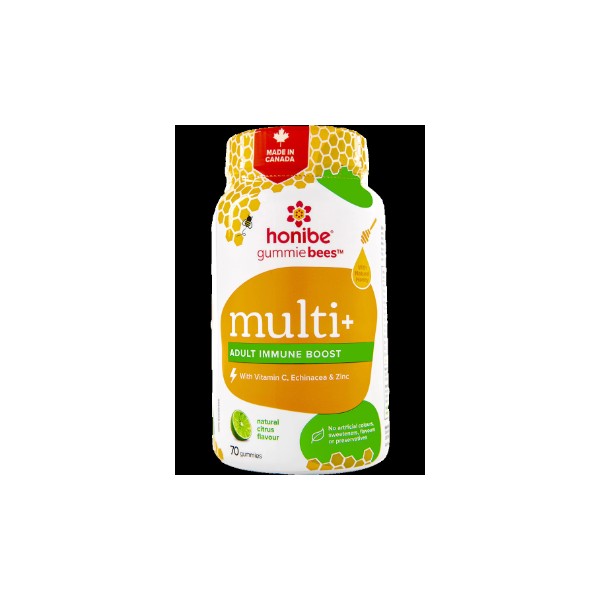


Honibe Multi+ Adult Immune Boost (Citrus) - 70 Gummies
Product Overview
Honibe’s Multivitamin Plus Immune Gummie Bees provide an added immune boost with vitamin C, echinacea & zinc. Delivering essential vitamins and minerals plus echinacea and zinc, with Honibe’s Natural Canadian honey, packed with nutrients including vitamins, minerals, antioxidants and amino acids. Multi+ Adult Immune Boost provides you with a 100% plant-based gummie made with pectin, not gelatin and free from common allergens including gluten, dairy & soy. Echinacea can cut an individual’s chances of catching a cold or flu, as well as shorten the duration of these infections once caught and same with zinc. [GUMMIES]
IMMUNE SYSTEM
Reduced in activity by stress, nutrient deficiencies and toxins in the body, your immune system response can be optimized with the right food, supplements and approach to life...
The immune system is the police force of the body. It is a complex system of cells that defend the body from invading organisms, regulate inflammation and control abnormal cell growth. Many organs are involved in the immune response, the bone marrow, lymphatic system, thymus, liver and spleen. Bone marrow produces red blood cells, white blood cells and platelets.
The spleen is a location where immune cells can monitor the blood for foreign matter. It also speeds up red blood cell production and activates blood clotting. The liver can increase body temperature and induce sweating to help fight off infections. The thymus produces B cells, which make antibodies, and T cells, which are part of the immune response.
The immune system is capable of fighting off intruders and remembering them so that they are killed off quickly if they invade again. The immune system must be able to differentiate self from non-self in order to know what to attack. If it does not recognize the body’s own tissue than autoimmune diseases occurs.
The Immune System Can Be Compromised By:
- Physical or emotional stress
- Poor dietary habits
- Exposure to chemicals and medications
- Lack of sleep
- Deficiency in friendly bacteria
- Lack of physical activity
Physical and emotional stress has been shown in studies to depress the amount of circulating immune cells. Examples of possible stressors are excessive exercise, surgery, a long illness, and loss of a job or death of a loved one. The sympathetic nervous system is activated by stress and causes increased heart rate and blood pressure, and a heightening of the body’s senses. It decreases the functioning of systems that are not essential for fighting or fleeing a situation. This includes immunity. Stress also causes increased inflammation and a build –up of damaging agents called free radicals. These substances can interfere with normal immune functioning.
Poor dietary habits inhibit the immune system by creating deficiencies in protein, vitamins and minerals. A healthy diet, with sufficient protein intake, supports the immune system because the immune cells are made of protein and are in a constant state of renewal. The immune cells use a variety of vitamins and minerals to carry out their jobs. The most important nutrients are vitamin A, vitamin B6, vitamin C, vitamin E, selenium, zinc and essential fatty acids. For example, vitamin C strengthens white blood cells and prevents the multiplication of bacteria and viruses. Deficiency of any one of these nutrients impairs the immune response.
Dietary sugar, especially white sugar, has been directly linked to depression of the immune system, immediately after its consumption. One study showed that eating three and a half oz. of simple sugar reduced the ability of white blood cells to destroy bacteria. Sugar also provides fuel for invading organisms, like bacteria and fungus, thus strengthening their attack.
Sleep is an essential component of our body’s repair mechanisms. During sleep the body in an anabolic, or building, state. Insomnia prevents the renewal of immune cells. Over time this leads to a decrease in immune functioning. Lack of sleep also stresses the body and usually occurs with an increase in sympathetic nervous system function. The immune system is depressed by the mechanism described in previous paragraphs.
Many medications, especially cortisone and antibiotics, affect the immune system, especially when taken for long periods of time. Cortisone suppresses the bone marrow and antibiotics kill beneficial bacteria. Toxic substances, including excessive alcohol and heavy metals, depress the function of the immune system or cause immune cells to prematurely die.
Some of the most important players in the immune system are not part of our own body. Friendly bacteria, often called probiotics, line the digestive tract, sinuses and other mucosal surfaces. On all of the surfaces they prevent infection with other microbes.
In the digestive tract they also break down food particles and manufacture vitamins. Friendly bacteria are in a constant state of renewal. Frequent infections can be due to an imbalance of friendly bacteria. It is easy to upset this balance by improper diet or taking medications like antibiotics.
Lack of physical activity weakens the immune response by hampering the ability of immune cells to get to where they are needed.
The lymphatic channels act as highways for immune cells but they contain no musculature of their own. They depend on the activity of surrounding muscles to push the lymph fluid around the body.
Here Are Some Conditions That Commonly Affect The Immune System:
Colds and flus are a part of everyday life. They are usually caused by viruses, although if left untreated, bacteria can move in and cause infection as well. Lingering or recurrent infection is a signal of an immune system that is overwhelmed.
Environmental allergies can be any substance but the most common ones are dust, pollen, animal hair, animal dander, insect bites, grasses, moulds and fungus, cleaning products and metal in costume jewellery. The immune system incorrectly views allergens as a threat to the body. When the allergen contacts a mucous membrane inflammation occurs, due to the release of chemicals such as histamine. Some researchers postulate that this condition may be due to the build-up of environmental toxins. These toxins cause an additional strain on the body’s immune system. The hyperactive system then responds inappropriately to stimuli that are normally found in the environment.
Food allergies involve antibody responses to food. Allergens can be any food substance but the most common ones are dairy products, peanuts, eggs, wheat, corn, soy, the nightshade family, food additives and preservatives and medications like penicillin and aspirin. Some researchers postulate that early introduction of foods to infants’ causes food allergies. Other reasons for food allergies are the build-up of environmental toxins and heredity.
Autoimmunity is when our natural immunity turns against us and attacks our healthy body cells. Some common autoimmune conditions are: Celiac disease, lupus, psoriasis, Addison’s Disease, rheumatoid arthritis, multiple sclerosis, and inflammatory bowel disease. For more information, please see our Autoimmune Disease article.
Optimize The Health Of Your Immune System By:
- Consuming a nutrient-rich diet
- Reducing physical and emotional stress
- Getting adequate exercise, rest and relaxation
- Limiting your exposure to environmental toxins & medications
- Supplementing your diet with nutrients that support the immune system
Choose lean meats, fermented dairy products and legumes to fill your daily protein requirements. Supplement with protein powder or amino acid complex if you cannot consume enough protein. Eat fermented products to increase the amount of friendly bacteria in your system. A diet high in raw fruits and vegetables provides a good source of vitamins, minerals and antioxidants for the immune system. Onions and garlic are good sources of substances that make up anti-inflammatory compounds and help to kill microbes. Flaxseed and fish oils contain essential fatty acids that are anti-inflammatory. Avoid excess animal products, dairy products, processed foods, white flour and sugar products all of which decrease the immune system.
Stress puts a burden on the immune system and taxes the body’s resources. Use whatever stress-busting methods work for you to decrease your stress level. Avoid excessive exercise and hectic daily routines. Do regular physical activity that you enjoy and that is appropriate for your age and fitness level. Go to bed at the same time each night, before midnight is preferable, and sleep for about 8 hours. Incorporate time into your day for relaxing practices like hobbies, reading or meditating.
If you suspect that your immune system is adversely affected by toxin build-up, undergo regular organ detoxification to cleanse your system. Include lymphatic cleansing in the protocol to decongest the immune cell’s transportation network.
| Brand: | Honibe |
|---|---|
| Isin: | I3UUARMUAE3M |
Out of Stock
In Stock
Backordered
Out of Stock


IBspot Buyer Protection
Shop confidently on IBspot, receive your item as described or your money back for eligible orders. Learn Program Terms
Product Overview
Honibe’s Multivitamin Plus Immune Gummie Bees provide an added immune boost with vitamin C, echinacea & zinc. Delivering essential vitamins and minerals plus echinacea and zinc, with Honibe’s Natural Canadian honey, packed with nutrients including vitamins, minerals, antioxidants and amino acids. Multi+ Adult Immune Boost provides you with a 100% plant-based gummie made with pectin, not gelatin and free from common allergens including gluten, dairy & soy. Echinacea can cut an individual’s chances of catching a cold or flu, as well as shorten the duration of these infections once caught and same with zinc. [GUMMIES]
IMMUNE SYSTEM
Reduced in activity by stress, nutrient deficiencies and toxins in the body, your immune system response can be optimized with the right food, supplements and approach to life...
The immune system is the police force of the body. It is a complex system of cells that defend the body from invading organisms, regulate inflammation and control abnormal cell growth. Many organs are involved in the immune response, the bone marrow, lymphatic system, thymus, liver and spleen. Bone marrow produces red blood cells, white blood cells and platelets.
The spleen is a location where immune cells can monitor the blood for foreign matter. It also speeds up red blood cell production and activates blood clotting. The liver can increase body temperature and induce sweating to help fight off infections. The thymus produces B cells, which make antibodies, and T cells, which are part of the immune response.
The immune system is capable of fighting off intruders and remembering them so that they are killed off quickly if they invade again. The immune system must be able to differentiate self from non-self in order to know what to attack. If it does not recognize the body’s own tissue than autoimmune diseases occurs.
The Immune System Can Be Compromised By:
- Physical or emotional stress
- Poor dietary habits
- Exposure to chemicals and medications
- Lack of sleep
- Deficiency in friendly bacteria
- Lack of physical activity
Physical and emotional stress has been shown in studies to depress the amount of circulating immune cells. Examples of possible stressors are excessive exercise, surgery, a long illness, and loss of a job or death of a loved one. The sympathetic nervous system is activated by stress and causes increased heart rate and blood pressure, and a heightening of the body’s senses. It decreases the functioning of systems that are not essential for fighting or fleeing a situation. This includes immunity. Stress also causes increased inflammation and a build –up of damaging agents called free radicals. These substances can interfere with normal immune functioning.
Poor dietary habits inhibit the immune system by creating deficiencies in protein, vitamins and minerals. A healthy diet, with sufficient protein intake, supports the immune system because the immune cells are made of protein and are in a constant state of renewal. The immune cells use a variety of vitamins and minerals to carry out their jobs. The most important nutrients are vitamin A, vitamin B6, vitamin C, vitamin E, selenium, zinc and essential fatty acids. For example, vitamin C strengthens white blood cells and prevents the multiplication of bacteria and viruses. Deficiency of any one of these nutrients impairs the immune response.
Dietary sugar, especially white sugar, has been directly linked to depression of the immune system, immediately after its consumption. One study showed that eating three and a half oz. of simple sugar reduced the ability of white blood cells to destroy bacteria. Sugar also provides fuel for invading organisms, like bacteria and fungus, thus strengthening their attack.
Sleep is an essential component of our body’s repair mechanisms. During sleep the body in an anabolic, or building, state. Insomnia prevents the renewal of immune cells. Over time this leads to a decrease in immune functioning. Lack of sleep also stresses the body and usually occurs with an increase in sympathetic nervous system function. The immune system is depressed by the mechanism described in previous paragraphs.
Many medications, especially cortisone and antibiotics, affect the immune system, especially when taken for long periods of time. Cortisone suppresses the bone marrow and antibiotics kill beneficial bacteria. Toxic substances, including excessive alcohol and heavy metals, depress the function of the immune system or cause immune cells to prematurely die.
Some of the most important players in the immune system are not part of our own body. Friendly bacteria, often called probiotics, line the digestive tract, sinuses and other mucosal surfaces. On all of the surfaces they prevent infection with other microbes.
In the digestive tract they also break down food particles and manufacture vitamins. Friendly bacteria are in a constant state of renewal. Frequent infections can be due to an imbalance of friendly bacteria. It is easy to upset this balance by improper diet or taking medications like antibiotics.
Lack of physical activity weakens the immune response by hampering the ability of immune cells to get to where they are needed.
The lymphatic channels act as highways for immune cells but they contain no musculature of their own. They depend on the activity of surrounding muscles to push the lymph fluid around the body.
Here Are Some Conditions That Commonly Affect The Immune System:
Colds and flus are a part of everyday life. They are usually caused by viruses, although if left untreated, bacteria can move in and cause infection as well. Lingering or recurrent infection is a signal of an immune system that is overwhelmed.
Environmental allergies can be any substance but the most common ones are dust, pollen, animal hair, animal dander, insect bites, grasses, moulds and fungus, cleaning products and metal in costume jewellery. The immune system incorrectly views allergens as a threat to the body. When the allergen contacts a mucous membrane inflammation occurs, due to the release of chemicals such as histamine. Some researchers postulate that this condition may be due to the build-up of environmental toxins. These toxins cause an additional strain on the body’s immune system. The hyperactive system then responds inappropriately to stimuli that are normally found in the environment.
Food allergies involve antibody responses to food. Allergens can be any food substance but the most common ones are dairy products, peanuts, eggs, wheat, corn, soy, the nightshade family, food additives and preservatives and medications like penicillin and aspirin. Some researchers postulate that early introduction of foods to infants’ causes food allergies. Other reasons for food allergies are the build-up of environmental toxins and heredity.
Autoimmunity is when our natural immunity turns against us and attacks our healthy body cells. Some common autoimmune conditions are: Celiac disease, lupus, psoriasis, Addison’s Disease, rheumatoid arthritis, multiple sclerosis, and inflammatory bowel disease. For more information, please see our Autoimmune Disease article.
Optimize The Health Of Your Immune System By:
- Consuming a nutrient-rich diet
- Reducing physical and emotional stress
- Getting adequate exercise, rest and relaxation
- Limiting your exposure to environmental toxins & medications
- Supplementing your diet with nutrients that support the immune system
Choose lean meats, fermented dairy products and legumes to fill your daily protein requirements. Supplement with protein powder or amino acid complex if you cannot consume enough protein. Eat fermented products to increase the amount of friendly bacteria in your system. A diet high in raw fruits and vegetables provides a good source of vitamins, minerals and antioxidants for the immune system. Onions and garlic are good sources of substances that make up anti-inflammatory compounds and help to kill microbes. Flaxseed and fish oils contain essential fatty acids that are anti-inflammatory. Avoid excess animal products, dairy products, processed foods, white flour and sugar products all of which decrease the immune system.
Stress puts a burden on the immune system and taxes the body’s resources. Use whatever stress-busting methods work for you to decrease your stress level. Avoid excessive exercise and hectic daily routines. Do regular physical activity that you enjoy and that is appropriate for your age and fitness level. Go to bed at the same time each night, before midnight is preferable, and sleep for about 8 hours. Incorporate time into your day for relaxing practices like hobbies, reading or meditating.
If you suspect that your immune system is adversely affected by toxin build-up, undergo regular organ detoxification to cleanse your system. Include lymphatic cleansing in the protocol to decongest the immune cell’s transportation network.
| Brand: | Honibe |
|---|---|
| Isin: | I3UUARMUAE3M |
Honibe’s Multivitamin Plus Immune Gummie Bees provide an added immune boost with vitamin C, echinacea & zinc. Delivering essential vitamins and minerals plus echinacea and zinc, with Honibe’s Natural Canadian honey, packed with nutrients including vitamins, minerals, antioxidants and amino acids. Multi+ Adult Immune Boost provides you with a 100% plant-based gummie made with pectin, not gelatin and free from common allergens including gluten, dairy & soy. Echinacea can cut an individual’s chances of catching a cold or flu, as well as shorten the duration of these infections once caught and same with zinc. [GUMMIES]
IMMUNE SYSTEM
Reduced in activity by stress, nutrient deficiencies and toxins in the body, your immune system response can be optimized with the right food, supplements and approach to life...
The immune system is the police force of the body. It is a complex system of cells that defend the body from invading organisms, regulate inflammation and control abnormal cell growth. Many organs are involved in the immune response, the bone marrow, lymphatic system, thymus, liver and spleen. Bone marrow produces red blood cells, white blood cells and platelets.
The spleen is a location where immune cells can monitor the blood for foreign matter. It also speeds up red blood cell production and activates blood clotting. The liver can increase body temperature and induce sweating to help fight off infections. The thymus produces B cells, which make antibodies, and T cells, which are part of the immune response.
The immune system is capable of fighting off intruders and remembering them so that they are killed off quickly if they invade again. The immune system must be able to differentiate self from non-self in order to know what to attack. If it does not recognize the body’s own tissue than autoimmune diseases occurs.
The Immune System Can Be Compromised By:
- Physical or emotional stress
- Poor dietary habits
- Exposure to chemicals and medications
- Lack of sleep
- Deficiency in friendly bacteria
- Lack of physical activity
Physical and emotional stress has been shown in studies to depress the amount of circulating immune cells. Examples of possible stressors are excessive exercise, surgery, a long illness, and loss of a job or death of a loved one. The sympathetic nervous system is activated by stress and causes increased heart rate and blood pressure, and a heightening of the body’s senses. It decreases the functioning of systems that are not essential for fighting or fleeing a situation. This includes immunity. Stress also causes increased inflammation and a build –up of damaging agents called free radicals. These substances can interfere with normal immune functioning.
Poor dietary habits inhibit the immune system by creating deficiencies in protein, vitamins and minerals. A healthy diet, with sufficient protein intake, supports the immune system because the immune cells are made of protein and are in a constant state of renewal. The immune cells use a variety of vitamins and minerals to carry out their jobs. The most important nutrients are vitamin A, vitamin B6, vitamin C, vitamin E, selenium, zinc and essential fatty acids. For example, vitamin C strengthens white blood cells and prevents the multiplication of bacteria and viruses. Deficiency of any one of these nutrients impairs the immune response.
Dietary sugar, especially white sugar, has been directly linked to depression of the immune system, immediately after its consumption. One study showed that eating three and a half oz. of simple sugar reduced the ability of white blood cells to destroy bacteria. Sugar also provides fuel for invading organisms, like bacteria and fungus, thus strengthening their attack.
Sleep is an essential component of our body’s repair mechanisms. During sleep the body in an anabolic, or building, state. Insomnia prevents the renewal of immune cells. Over time this leads to a decrease in immune functioning. Lack of sleep also stresses the body and usually occurs with an increase in sympathetic nervous system function. The immune system is depressed by the mechanism described in previous paragraphs.
Many medications, especially cortisone and antibiotics, affect the immune system, especially when taken for long periods of time. Cortisone suppresses the bone marrow and antibiotics kill beneficial bacteria. Toxic substances, including excessive alcohol and heavy metals, depress the function of the immune system or cause immune cells to prematurely die.
Some of the most important players in the immune system are not part of our own body. Friendly bacteria, often called probiotics, line the digestive tract, sinuses and other mucosal surfaces. On all of the surfaces they prevent infection with other microbes.
In the digestive tract they also break down food particles and manufacture vitamins. Friendly bacteria are in a constant state of renewal. Frequent infections can be due to an imbalance of friendly bacteria. It is easy to upset this balance by improper diet or taking medications like antibiotics.
Lack of physical activity weakens the immune response by hampering the ability of immune cells to get to where they are needed.
The lymphatic channels act as highways for immune cells but they contain no musculature of their own. They depend on the activity of surrounding muscles to push the lymph fluid around the body.
Here Are Some Conditions That Commonly Affect The Immune System:
Colds and flus are a part of everyday life. They are usually caused by viruses, although if left untreated, bacteria can move in and cause infection as well. Lingering or recurrent infection is a signal of an immune system that is overwhelmed.
Environmental allergies can be any substance but the most common ones are dust, pollen, animal hair, animal dander, insect bites, grasses, moulds and fungus, cleaning products and metal in costume jewellery. The immune system incorrectly views allergens as a threat to the body. When the allergen contacts a mucous membrane inflammation occurs, due to the release of chemicals such as histamine. Some researchers postulate that this condition may be due to the build-up of environmental toxins. These toxins cause an additional strain on the body’s immune system. The hyperactive system then responds inappropriately to stimuli that are normally found in the environment.
Food allergies involve antibody responses to food. Allergens can be any food substance but the most common ones are dairy products, peanuts, eggs, wheat, corn, soy, the nightshade family, food additives and preservatives and medications like penicillin and aspirin. Some researchers postulate that early introduction of foods to infants’ causes food allergies. Other reasons for food allergies are the build-up of environmental toxins and heredity.
Autoimmunity is when our natural immunity turns against us and attacks our healthy body cells. Some common autoimmune conditions are: Celiac disease, lupus, psoriasis, Addison’s Disease, rheumatoid arthritis, multiple sclerosis, and inflammatory bowel disease. For more information, please see our Autoimmune Disease article.
Optimize The Health Of Your Immune System By:
- Consuming a nutrient-rich diet
- Reducing physical and emotional stress
- Getting adequate exercise, rest and relaxation
- Limiting your exposure to environmental toxins & medications
- Supplementing your diet with nutrients that support the immune system
Choose lean meats, fermented dairy products and legumes to fill your daily protein requirements. Supplement with protein powder or amino acid complex if you cannot consume enough protein. Eat fermented products to increase the amount of friendly bacteria in your system. A diet high in raw fruits and vegetables provides a good source of vitamins, minerals and antioxidants for the immune system. Onions and garlic are good sources of substances that make up anti-inflammatory compounds and help to kill microbes. Flaxseed and fish oils contain essential fatty acids that are anti-inflammatory. Avoid excess animal products, dairy products, processed foods, white flour and sugar products all of which decrease the immune system.
Stress puts a burden on the immune system and taxes the body’s resources. Use whatever stress-busting methods work for you to decrease your stress level. Avoid excessive exercise and hectic daily routines. Do regular physical activity that you enjoy and that is appropriate for your age and fitness level. Go to bed at the same time each night, before midnight is preferable, and sleep for about 8 hours. Incorporate time into your day for relaxing practices like hobbies, reading or meditating.
If you suspect that your immune system is adversely affected by toxin build-up, undergo regular organ detoxification to cleanse your system. Include lymphatic cleansing in the protocol to decongest the immune cell’s transportation network.
Ingredients
- 2000 IU / 604 mcg RAE
- Vitamin A
- 1.3 mg
- Vitamin B6
- 2.4 mcg
- Vitamin B12
- 5 mg
- Pantothenic Acid
- 60 mg
- Vitamin C
- 600 IU / 15 mcg
- Vitamin D
- 30 IU / 30 mg AT
- Vitamin E
- 400 mcg
- Folic Acid
- 1.1 mg
- Thiamine
- 1.1 mg
- Riboflavin
- 30 mcg
- Biotin
- 1 mg
- Zinc
- 20 mg
- Echinacea
Non-Medicinal Ingredients:
Honey, Organic Tapioca Syrup, Organic Cane Sugar, Water, Natural Citrus Flavour, Pectin, Citric Acid, Sodium Citrate, Natural Colour (Beta-carotene), Carnauba Wax (vegetable oil)
Honey, Organic Tapioca Syrup, Organic Cane Sugar, Water, Natural Citrus Flavour, Pectin, Citric Acid, Sodium Citrate, Natural Colour (Beta-carotene), Carnauba Wax (vegetable oil)
Important Information:
Keep out of reach of children. To maintain freshness, keep bottle tightly closed. Do not use if seal is broken. Store in a cool, dry place. Natural colours may darken over time, this does not affect the potency of the product.
Format
 Gummies
70 Gummies
Dosage
Adults take 2 gummies per day with food. Take a few hours before or after taking other medications.
Manufacturer Info

The #1 ingredient in all Honibe health gummies and lozenges is pure Canadian honey. Honibe makes their products with no unwanted additives and no allergens. Honibe’s patented process means we can create delicious and effective products like Honey Lozenges (97% pure honey) and gummies that help you sleep, boost your immune system, and soothe your sore throat—naturally. Read more >
Processing Time
- We process and ship orders Monday through Friday, excluding holidays.
- Most orders are processed within 1–3 business days, depending on product availability.
- Processing time does not include delivery time, which varies based on your location and the product’s shipping origin.
Shipping Coverage
We currently ship to addresses within the United States only.
Products may ship from:
- Our U.S. warehouses, or
- Our international fulfillment centers (including Korea, Japan, China, Australia, Mexico, Canada, the United Kingdom, and the EU).
Each product page clearly displays the “Ships From” location before checkout.
Shipping Methods & Estimated Delivery
| Shipping Method | Estimated Delivery | Cost |
|---|---|---|
| Free Shipping (US) | 5–10 business days | Free, available on eligible items |
| Standard Shipping (US to US by Item) | 5–10 business days | $5.95 for the first item, $3.00 each additional |
| Standard Shipping (From US Warehouse by Weight) | 3–7 business days | Starts at $5.95, increasing by $2 for every additional 4 oz (0.25 lb) up to 1 lb, then by $4 for each additional pound beyond 1 lb. |
| Extended Delivery (Ships from Overseas Warehouse) | 10–20 business days | $14.50 for the first item, $2.00 each additional |
Shipping costs vary by product weight, quantity and origin. Exact rates and delivery estimates are displayed on each product page and confirmed during checkout.
Free Shipping
We offer free standard shipping on select products or during promotional periods. Availability of free shipping will be displayed on the product page and at checkout.
Carriers
We primarily use USPS and UPS for U.S. deliveries. Items shipped from international warehouses may be handled by partner carriers depending on the country of origin.
Import Duties & Taxes
All import duties and taxes for goods imported into the United States are included in the product price. There are no hidden fees or additional charges at checkout.
Tracking & Notifications
Every order is fully trackable. You will receive a tracking number via email once your order ships. If your order ships in multiple packages, each package will have its own tracking number. If you don’t receive a shipping confirmation immediately, your order is still being processed and will arrive within the estimated timeframe shown at checkout.
You can track your shipment anytime using the Track Your Order page on our website.
Order Changes & Cancellations
If you need to modify or cancel an order, please contact our customer support team as soon as possible. Orders can only be canceled before they ship. Once shipped, cancellations are not possible, but you may request a return after the item is delivered.
Contact: support@ibspot.com
Item Not Received
If your tracking number shows “Delivered” but you haven’t received your package:
- Check with your local USPS or UPS office.
- Confirm that the shipping address provided was correct.
- If the issue remains unresolved, contact support@ibspot.com for assistance.
Damaged or Lost Parcels
If your package arrives damaged or fails to arrive, please contact us immediately. For deliveries to P.O. boxes, ibspot is not responsible for damage caused by weather, temperature, or theft.
Customer Support
For any questions about shipping, tracking, or delivery, our customer support team is here to help.
Email: support@ibspot.com
We’re always happy to help.
Please read our policy carefully before making a purchase.
We aim to ensure every customer has a smooth and transparent experience with ibspot.com.
Order Cancellation Policy
Customers may request to cancel an order before it has been shipped.
Once the package has been shipped, cancellations are no longer possible; however, you may still request a return after receiving your order.
How to Request a Cancellation
You can contact us through:
- Email: support@ibspot.com
- Contact Form: Submit a request through our Contact Us page
Please submit your cancellation request as soon as possible after placing the order to allow us to process it before shipment.
Return Policy
We accept returns for most items within 30 days of delivery for a full refund.
To be eligible for a return:
- The item must be unused, in the same condition as received, and in its original packaging.
- A tracking number must be provided to confirm the return shipment.
Non-Returnable Items
Certain products cannot be returned, including:
- Perishable goods (for example, food, flowers, newspapers, magazines)
- Intimate or sanitary goods
- Hazardous materials or flammable liquids/gases
- Gift cards
- Downloadable software
- Some health and personal care items
Partial Refunds (If Applicable)
Partial refunds may be granted in specific situations, such as:
- Books with obvious signs of use
- Opened CDs, DVDs, software, or vinyl records
- Items not in their original condition, damaged, or missing parts not due to our error
- Items returned more than 30 days after delivery
How to Return an Item
To initiate a return, please contact us at support@ibspot.com with your order number and details about the product you wish to return.
Our team will provide you with return instructions and a prepaid return label.
Shipping Cost for Returns
Please contact us before returning any item.
We will provide a free return shipping label.
If a return is sent back without prior contact or without our provided label, we cannot be held responsible for return shipping costs.
For items valued over $75, we recommend using a trackable shipping service or purchasing shipping insurance.
We cannot guarantee that we will receive your returned item if shipped independently.
Refund Processing
Once your return is received and inspected:
- In-store returns are refunded to the original form of payment or issued as a gift card.
- Mail-in returns using our prepaid label are refunded to the original payment method within 3–5 business days after we receive your return.
Please allow:
- 5–7 business days for the return to reach our Returns Center.
- An additional 3–10 business days for your bank to post the refund to your account.
Damages, Issues & Claims
Please inspect your order immediately upon receipt.
If you receive a defective, damaged, or incorrect item, contact us right away at support@ibspot.com.
We’ll evaluate the issue promptly and make it right.
Product Claims
Before purchasing, please review product details carefully.
If there is a problem with your order upon arrival, visit our Support Center or contact us directly to arrange return shipping or replacement.
Exchanges
We do not process direct exchanges.
The fastest way to get what you need is to return the original item and place a new order once your return is accepted.
Return Address
IBSPOT Return Center
15 Sawmill Ln
Dover Plains, NY 12522
United States
Customer Support
Our support team is available 24/7 to assist with cancellations, returns, or general inquiries.
Email: support@ibspot.com
Contact Form: Contact Us page
Oops!
Sorry, it looks like some products are not available in selected quantity.