

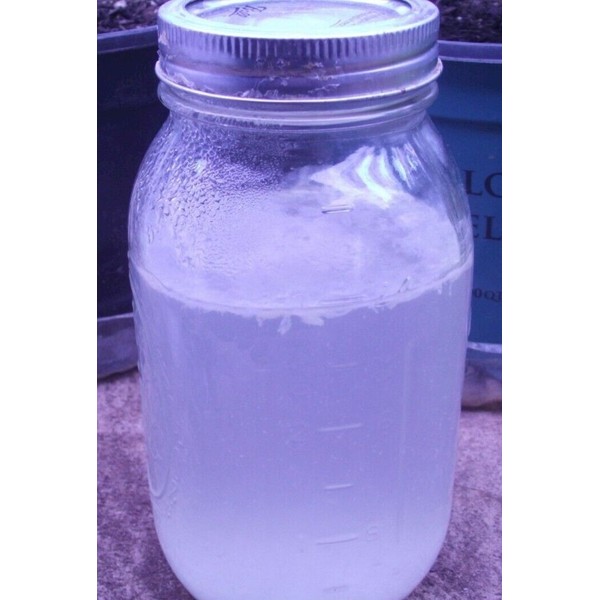
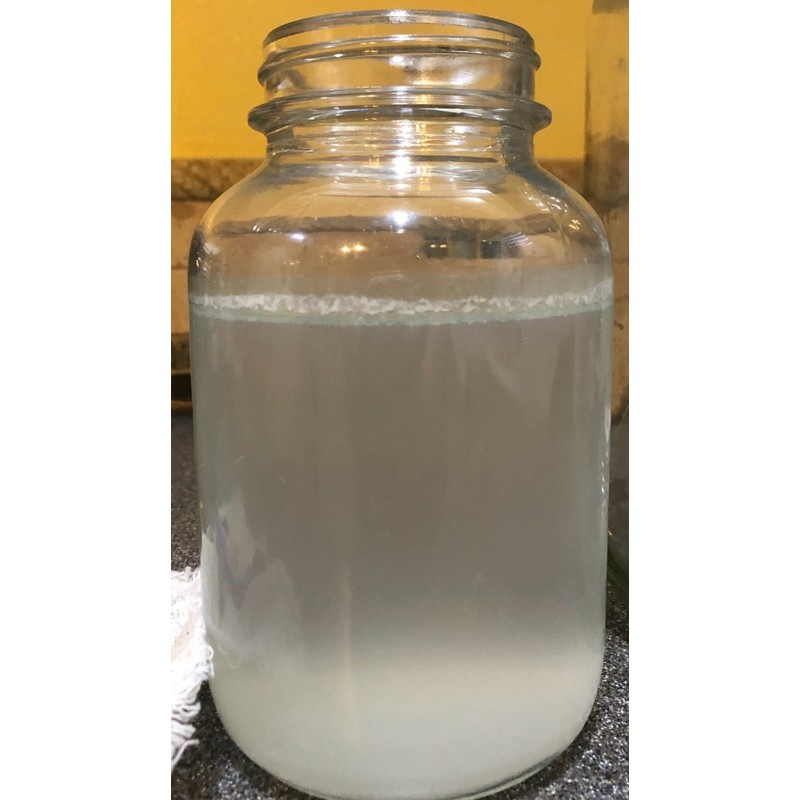
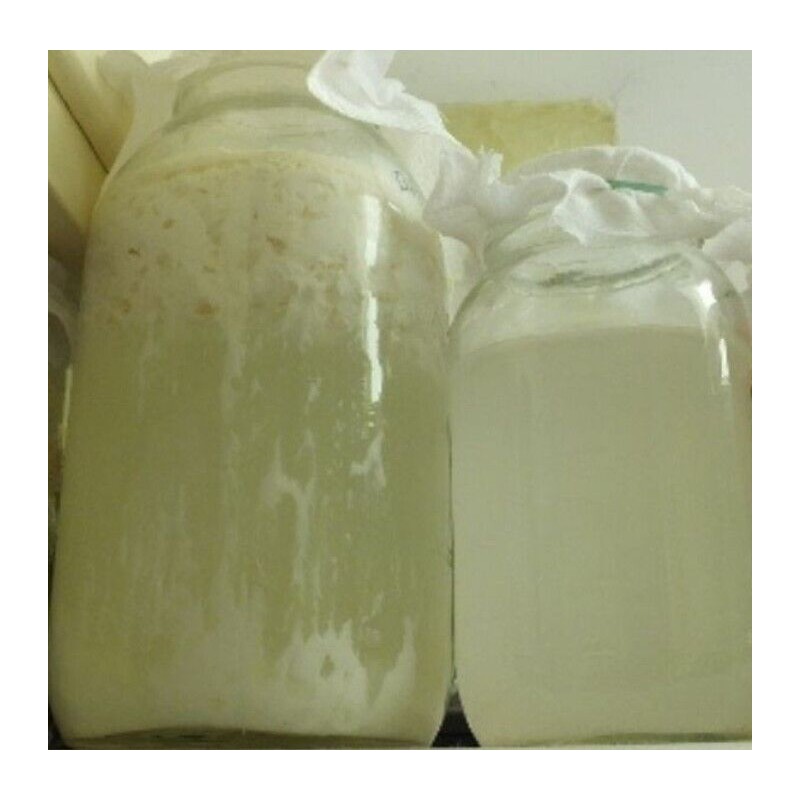


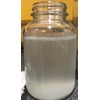
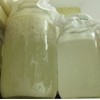
WheyWorks LAB's • Lactic Acid Bacteria • 100% Organic Soil Drench & Foliar Feed • 8 Oz
$45.59
- Free US shipping
-
Arrives
THIS LISTING IS FOR AN 8 OZ BOTTLE OF 100% ORGANIC LAB'S • LACTIC ACID BACTERIA WITH A SHELF LIFE OF 6-12 MONTHS IF KEPT REFRIGERATED
Using Lactic Acid Bacteria (LAB) in organic gardening offers a wide range of benefits, both nutritionally and as a preventative measure. LAB, a group of beneficial bacteria commonly found in fermented foods, plays a vital role in enhancing soil and plant health.
NUTRITIONAL BENEFITS:
1. Enhanced Nutrient Availability:
Improved Nutrient Absorption: LAB helps break down organic matter in the soil, converting nutrients into more accessible forms for plants. This process increases the availability of essential nutrients like nitrogen, phosphorus, and potassium, which are critical for plant growth.
Soil Structure Improvement: LAB produces organic acids that can help solubilize minerals in the soil, making them more available to plants. This process enhances the soil’s nutrient profile and supports healthy plant development.
2. Boosts Plant Growth:
Increased Root Development: The presence of LAB in the soil stimulates root growth, allowing plants to access more water and nutrients. This leads to stronger and more resilient plants.
Enhanced Photosynthesis: By improving nutrient uptake, LAB indirectly enhances photosynthesis, leading to healthier, more vigorous plants with higher yields.
PREVENTATIVE MEASURES:
1. Disease Suppression:
Pathogen Control: LAB competes with harmful bacteria and fungi in the soil, effectively reducing the prevalence of plant pathogens. LAB produces natural antibiotics like bacteriocins and organic acids that inhibit the growth of harmful microorganisms, such as Fusarium and Pythium.
Reduced Soil-Borne Diseases: By maintaining a healthy microbial balance, LAB can prevent soil-borne diseases that commonly affect plants, leading to a healthier garden ecosystem.
2. Pest Management:
Repellent Properties: LAB can create an environment that is less hospitable to pests by lowering the pH of the soil and plant surfaces. This can reduce infestations by common garden pests.
Induced Systemic Resistance (ISR): LAB has been shown to trigger a plant’s natural defense mechanisms, making them more resistant to pests and diseases. This process, known as ISR, helps plants respond more effectively to threats.
3. Odor Control:
Composting: When used in composting, LAB helps break down organic matter more efficiently, reducing the production of foul odors. This makes composting a more pleasant process and results in a higher-quality compost product.
ADDITIONAL BENEFITS:
1. Improved Soil Health:
Enhanced Microbial Diversity: LAB promotes a diverse and balanced soil microbiome, which is essential for long-term soil fertility and plant health. This microbial diversity can improve soil structure, water retention, and overall plant resilience.
Reduction in Soil pH: LAB can lower soil pH, which can be beneficial in soils that are too alkaline. This adjustment helps in creating a more favorable environment for nutrient uptake by plants.
2. Sustainability:
Eco-Friendly: LAB is a natural and sustainable option for improving soil and plant health without relying on chemical fertilizers or pesticides. Its use in organic gardening supports ecological balance and reduces the need for synthetic inputs.
APPLICATION METHODS:
Soil Drench: LAB can be applied directly to the soil to improve microbial activity and nutrient availability. Use 1-2mL per Liter / 32 oz or 4-8mL per gallon of water.
Foliar Spray: Applying LAB as a foliar spray can help protect plants from pathogens and pests while enhancing nutrient absorption through the leaves. Use 1-2mL per Liter / 32 oz or 4-8mL per gallon of water.
Composting: Adding LAB to compost can accelerate decomposition, improve the quality of the compost, and reduce odors.
In summary, using LAB in organic gardening is an effective and sustainable way to enhance soil health, boost plant growth, and prevent diseases and pests. By incorporating LAB into your gardening practices, you can promote a healthier and more productive garden ecosystem. There's no magic number of milliliters when it comes to composting so try different concentrations and choose which one gives you the best results since it could be used for different purposes such as accelerate breaking down of organic matter, reduction of foul smell, mold or PM problem.
LAB's can also be used to help unclog drains and/or getting rid of foul smell in the kitchen sink, toilets, shower, etc...
POWDERY MILDEW AND MOLD:
Lactic Acid Bacteria (LAB) is effective against powdery mildew and mold. LAB can be used as a natural, organic solution to suppress these common plant diseases due to its antimicrobial properties.
HOW LAB WORKS AGAINST POWDERY MILDEW AND MOLD:
Acidic Environment: LAB produces lactic acid, which lowers the pH on the plant's surface. Powdery mildew and many molds prefer alkaline conditions, so the acidic environment created by LAB makes it difficult for these pathogens to thrive.
Competitive Exclusion: LAB competes with harmful microbes for space and nutrients on the plant's surface, effectively outcompeting and reducing the population of pathogens like powdery mildew and mold.
Antimicrobial Compounds: LAB produces antimicrobial substances, such as bacteriocins, that directly inhibit the growth of harmful fungi and bacteria.
HOW TO USE LAB AGAINST POWDERY MILDEW AND MOLD:
1. Preparation of LAB Solution:
Concentration: Dilute LAB serum (which you can prepare or purchase) with water at a ratio of 1:20 (LAB to water) or 50mL of LAB's to 1 Liter / 32 oz of water.
Optional Additions: Some gardeners add a small amount of molasses (about 1 teaspoon per gallon) to the solution to act as a food source for the LAB, potentially enhancing its effectiveness.
2. Application Method:
Foliar Spray: Apply the LAB solution as a foliar spray directly onto the affected plant leaves and stems. Ensure thorough coverage, especially on the undersides of leaves where powdery mildew often begins to form.
Frequency: Spray the solution every 3-7 days until the powdery mildew or mold is under control. Regular applications are key to preventing the spread of these pathogens.
3. Preventative Use:
LAB can also be used preventatively. Regular foliar sprays with LAB (every 1-2 weeks) can help prevent the onset of powdery mildew and mold, particularly in environments prone to high humidity or poor air circulation.
PRECAUTIONS:
Test on a Small Area: Before applying LAB to all your plants, test the solution on a small area of the plant to ensure there’s no adverse reaction.
Timing: Apply LAB sprays during the cooler parts of the day, such as early morning or late afternoon, to avoid leaf burn from the sun.
Using LAB as a natural remedy is a sustainable and effective way to manage powdery mildew and mold in organic gardening, promoting a healthier and more resilient garden ecosystem.
- Free 30-Day Returns
- Full Refund for Damaged or Incorrect Items
- Guaranteed Delivery or Money Back
- Secure Checkout & Fast Support

THIS LISTING IS FOR AN 8 OZ BOTTLE OF 100% ORGANIC LAB'S • LACTIC ACID BACTERIA WITH A SHELF LIFE OF 6-12 MONTHS IF KEPT REFRIGERATED
Using Lactic Acid Bacteria (LAB) in organic gardening offers a wide range of benefits, both nutritionally and as a preventative measure. LAB, a group of beneficial bacteria commonly found in fermented foods, plays a vital role in enhancing soil and plant health.
NUTRITIONAL BENEFITS:
1. Enhanced Nutrient Availability:
Improved Nutrient Absorption: LAB helps break down organic matter in the soil, converting nutrients into more accessible forms for plants. This process increases the availability of essential nutrients like nitrogen, phosphorus, and potassium, which are critical for plant growth.
Soil Structure Improvement: LAB produces organic acids that can help solubilize minerals in the soil, making them more available to plants. This process enhances the soil’s nutrient profile and supports healthy plant development.
2. Boosts Plant Growth:
Increased Root Development: The presence of LAB in the soil stimulates root growth, allowing plants to access more water and nutrients. This leads to stronger and more resilient plants.
Enhanced Photosynthesis: By improving nutrient uptake, LAB indirectly enhances photosynthesis, leading to healthier, more vigorous plants with higher yields.
PREVENTATIVE MEASURES:
1. Disease Suppression:
Pathogen Control: LAB competes with harmful bacteria and fungi in the soil, effectively reducing the prevalence of plant pathogens. LAB produces natural antibiotics like bacteriocins and organic acids that inhibit the growth of harmful microorganisms, such as Fusarium and Pythium.
Reduced Soil-Borne Diseases: By maintaining a healthy microbial balance, LAB can prevent soil-borne diseases that commonly affect plants, leading to a healthier garden ecosystem.
2. Pest Management:
Repellent Properties: LAB can create an environment that is less hospitable to pests by lowering the pH of the soil and plant surfaces. This can reduce infestations by common garden pests.
Induced Systemic Resistance (ISR): LAB has been shown to trigger a plant’s natural defense mechanisms, making them more resistant to pests and diseases. This process, known as ISR, helps plants respond more effectively to threats.
3. Odor Control:
Composting: When used in composting, LAB helps break down organic matter more efficiently, reducing the production of foul odors. This makes composting a more pleasant process and results in a higher-quality compost product.
ADDITIONAL BENEFITS:
1. Improved Soil Health:
Enhanced Microbial Diversity: LAB promotes a diverse and balanced soil microbiome, which is essential for long-term soil fertility and plant health. This microbial diversity can improve soil structure, water retention, and overall plant resilience.
Reduction in Soil pH: LAB can lower soil pH, which can be beneficial in soils that are too alkaline. This adjustment helps in creating a more favorable environment for nutrient uptake by plants.
2. Sustainability:
Eco-Friendly: LAB is a natural and sustainable option for improving soil and plant health without relying on chemical fertilizers or pesticides. Its use in organic gardening supports ecological balance and reduces the need for synthetic inputs.
APPLICATION METHODS:
Soil Drench: LAB can be applied directly to the soil to improve microbial activity and nutrient availability. Use 1-2mL per Liter / 32 oz or 4-8mL per gallon of water.
Foliar Spray: Applying LAB as a foliar spray can help protect plants from pathogens and pests while enhancing nutrient absorption through the leaves. Use 1-2mL per Liter / 32 oz or 4-8mL per gallon of water.
Composting: Adding LAB to compost can accelerate decomposition, improve the quality of the compost, and reduce odors.
In summary, using LAB in organic gardening is an effective and sustainable way to enhance soil health, boost plant growth, and prevent diseases and pests. By incorporating LAB into your gardening practices, you can promote a healthier and more productive garden ecosystem. There's no magic number of milliliters when it comes to composting so try different concentrations and choose which one gives you the best results since it could be used for different purposes such as accelerate breaking down of organic matter, reduction of foul smell, mold or PM problem.
LAB's can also be used to help unclog drains and/or getting rid of foul smell in the kitchen sink, toilets, shower, etc...
POWDERY MILDEW AND MOLD:
Lactic Acid Bacteria (LAB) is effective against powdery mildew and mold. LAB can be used as a natural, organic solution to suppress these common plant diseases due to its antimicrobial properties.
HOW LAB WORKS AGAINST POWDERY MILDEW AND MOLD:
Acidic Environment: LAB produces lactic acid, which lowers the pH on the plant's surface. Powdery mildew and many molds prefer alkaline conditions, so the acidic environment created by LAB makes it difficult for these pathogens to thrive.
Competitive Exclusion: LAB competes with harmful microbes for space and nutrients on the plant's surface, effectively outcompeting and reducing the population of pathogens like powdery mildew and mold.
Antimicrobial Compounds: LAB produces antimicrobial substances, such as bacteriocins, that directly inhibit the growth of harmful fungi and bacteria.
HOW TO USE LAB AGAINST POWDERY MILDEW AND MOLD:
1. Preparation of LAB Solution:
Concentration: Dilute LAB serum (which you can prepare or purchase) with water at a ratio of 1:20 (LAB to water) or 50mL of LAB's to 1 Liter / 32 oz of water.
Optional Additions: Some gardeners add a small amount of molasses (about 1 teaspoon per gallon) to the solution to act as a food source for the LAB, potentially enhancing its effectiveness.
2. Application Method:
Foliar Spray: Apply the LAB solution as a foliar spray directly onto the affected plant leaves and stems. Ensure thorough coverage, especially on the undersides of leaves where powdery mildew often begins to form.
Frequency: Spray the solution every 3-7 days until the powdery mildew or mold is under control. Regular applications are key to preventing the spread of these pathogens.
3. Preventative Use:
LAB can also be used preventatively. Regular foliar sprays with LAB (every 1-2 weeks) can help prevent the onset of powdery mildew and mold, particularly in environments prone to high humidity or poor air circulation.
PRECAUTIONS:
Test on a Small Area: Before applying LAB to all your plants, test the solution on a small area of the plant to ensure there’s no adverse reaction.
Timing: Apply LAB sprays during the cooler parts of the day, such as early morning or late afternoon, to avoid leaf burn from the sun.
Using LAB as a natural remedy is a sustainable and effective way to manage powdery mildew and mold in organic gardening, promoting a healthier and more resilient garden ecosystem.
THIS LISTING IS FOR AN 8 OZ BOTTLE OF 100% ORGANIC LAB'S • LACTIC ACID BACTERIA WITH A SHELF LIFE OF 6-12 MONTHS IF KEPT REFRIGERATED
Using Lactic Acid Bacteria (LAB) in organic gardening offers a wide range of benefits, both nutritionally and as a preventative measure. LAB, a group of beneficial bacteria commonly found in fermented foods, plays a vital role in enhancing soil and plant health.
NUTRITIONAL BENEFITS:
1. Enhanced Nutrient Availability:
Improved Nutrient Absorption: LAB helps break down organic matter in the soil, converting nutrients into more accessible forms for plants. This process increases the availability of essential nutrients like nitrogen, phosphorus, and potassium, which are critical for plant growth.
Soil Structure Improvement: LAB produces organic acids that can help solubilize minerals in the soil, making them more available to plants. This process enhances the soil’s nutrient profile and supports healthy plant development.
2. Boosts Plant Growth:
Increased Root Development: The presence of LAB in the soil stimulates root growth, allowing plants to access more water and nutrients. This leads to stronger and more resilient plants.
Enhanced Photosynthesis: By improving nutrient uptake, LAB indirectly enhances photosynthesis, leading to healthier, more vigorous plants with higher yields.
PREVENTATIVE MEASURES:
1. Disease Suppression:
Pathogen Control: LAB competes with harmful bacteria and fungi in the soil, effectively reducing the prevalence of plant pathogens. LAB produces natural antibiotics like bacteriocins and organic acids that inhibit the growth of harmful microorganisms, such as Fusarium and Pythium.
Reduced Soil-Borne Diseases: By maintaining a healthy microbial balance, LAB can prevent soil-borne diseases that commonly affect plants, leading to a healthier garden ecosystem.
2. Pest Management:
Repellent Properties: LAB can create an environment that is less hospitable to pests by lowering the pH of the soil and plant surfaces. This can reduce infestations by common garden pests.
Induced Systemic Resistance (ISR): LAB has been shown to trigger a plant’s natural defense mechanisms, making them more resistant to pests and diseases. This process, known as ISR, helps plants respond more effectively to threats.
3. Odor Control:
Composting: When used in composting, LAB helps break down organic matter more efficiently, reducing the production of foul odors. This makes composting a more pleasant process and results in a higher-quality compost product.
ADDITIONAL BENEFITS:
1. Improved Soil Health:
Enhanced Microbial Diversity: LAB promotes a diverse and balanced soil microbiome, which is essential for long-term soil fertility and plant health. This microbial diversity can improve soil structure, water retention, and overall plant resilience.
Reduction in Soil pH: LAB can lower soil pH, which can be beneficial in soils that are too alkaline. This adjustment helps in creating a more favorable environment for nutrient uptake by plants.
2. Sustainability:
Eco-Friendly: LAB is a natural and sustainable option for improving soil and plant health without relying on chemical fertilizers or pesticides. Its use in organic gardening supports ecological balance and reduces the need for synthetic inputs.
APPLICATION METHODS:
Soil Drench: LAB can be applied directly to the soil to improve microbial activity and nutrient availability. Use 1-2mL per Liter / 32 oz or 4-8mL per gallon of water.
Foliar Spray: Applying LAB as a foliar spray can help protect plants from pathogens and pests while enhancing nutrient absorption through the leaves. Use 1-2mL per Liter / 32 oz or 4-8mL per gallon of water.
Composting: Adding LAB to compost can accelerate decomposition, improve the quality of the compost, and reduce odors.
In summary, using LAB in organic gardening is an effective and sustainable way to enhance soil health, boost plant growth, and prevent diseases and pests. By incorporating LAB into your gardening practices, you can promote a healthier and more productive garden ecosystem. There's no magic number of milliliters when it comes to composting so try different concentrations and choose which one gives you the best results since it could be used for different purposes such as accelerate breaking down of organic matter, reduction of foul smell, mold or PM problem.
LAB's can also be used to help unclog drains and/or getting rid of foul smell in the kitchen sink, toilets, shower, etc...
POWDERY MILDEW AND MOLD:
Lactic Acid Bacteria (LAB) is effective against powdery mildew and mold. LAB can be used as a natural, organic solution to suppress these common plant diseases due to its antimicrobial properties.
HOW LAB WORKS AGAINST POWDERY MILDEW AND MOLD:
Acidic Environment: LAB produces lactic acid, which lowers the pH on the plant's surface. Powdery mildew and many molds prefer alkaline conditions, so the acidic environment created by LAB makes it difficult for these pathogens to thrive.
Competitive Exclusion: LAB competes with harmful microbes for space and nutrients on the plant's surface, effectively outcompeting and reducing the population of pathogens like powdery mildew and mold.
Antimicrobial Compounds: LAB produces antimicrobial substances, such as bacteriocins, that directly inhibit the growth of harmful fungi and bacteria.
HOW TO USE LAB AGAINST POWDERY MILDEW AND MOLD:
1. Preparation of LAB Solution:
Concentration: Dilute LAB serum (which you can prepare or purchase) with water at a ratio of 1:20 (LAB to water) or 50mL of LAB's to 1 Liter / 32 oz of water.
Optional Additions: Some gardeners add a small amount of molasses (about 1 teaspoon per gallon) to the solution to act as a food source for the LAB, potentially enhancing its effectiveness.
2. Application Method:
Foliar Spray: Apply the LAB solution as a foliar spray directly onto the affected plant leaves and stems. Ensure thorough coverage, especially on the undersides of leaves where powdery mildew often begins to form.
Frequency: Spray the solution every 3-7 days until the powdery mildew or mold is under control. Regular applications are key to preventing the spread of these pathogens.
3. Preventative Use:
LAB can also be used preventatively. Regular foliar sprays with LAB (every 1-2 weeks) can help prevent the onset of powdery mildew and mold, particularly in environments prone to high humidity or poor air circulation.
PRECAUTIONS:
Test on a Small Area: Before applying LAB to all your plants, test the solution on a small area of the plant to ensure there’s no adverse reaction.
Timing: Apply LAB sprays during the cooler parts of the day, such as early morning or late afternoon, to avoid leaf burn from the sun.
Using LAB as a natural remedy is a sustainable and effective way to manage powdery mildew and mold in organic gardening, promoting a healthier and more resilient garden ecosystem.
Condition
Expiration Date
Form
Organic
Ingredients
Compatible Plant Type
Brand
Type
Volume
Packaging
Features
Country/Region of Manufacture
Material Basis
Item Weight
Processing Time
- We process and ship orders Monday through Friday, excluding holidays.
- Most orders are processed within 1–3 business days, depending on product availability.
- Processing time does not include delivery time, which varies based on your location and the product’s shipping origin.
Shipping Coverage
We currently ship to addresses within the United States only.
Products may ship from:
- Our U.S. warehouses, or
- Our international fulfillment centers (including Korea, Japan, China, Australia, Mexico, Canada, the United Kingdom, and the EU).
Each product page clearly displays the “Ships From” location before checkout.
Shipping Methods & Estimated Delivery
| Shipping Method | Estimated Delivery | Cost |
|---|---|---|
| Free Shipping (US) | 5–10 business days | Free, available on eligible items |
| Standard Shipping (US to US by Item) | 5–10 business days | $5.95 for the first item, $3.00 each additional |
| Standard Shipping (From US Warehouse by Weight) | 3–7 business days | Starts at $5.95, increasing by $2 for every additional 4 oz (0.25 lb) up to 1 lb, then by $4 for each additional pound beyond 1 lb. |
| Extended Delivery (Ships from Overseas Warehouse) | 10–20 business days | $14.50 for the first item, $2.00 each additional |
Shipping costs vary by product weight, quantity and origin. Exact rates and delivery estimates are displayed on each product page and confirmed during checkout.
Free Shipping
We offer free standard shipping on select products or during promotional periods. Availability of free shipping will be displayed on the product page and at checkout.
Carriers
We primarily use USPS and UPS for U.S. deliveries. Items shipped from international warehouses may be handled by partner carriers depending on the country of origin.
Import Duties & Taxes
All import duties and taxes for goods imported into the United States are included in the product price. There are no hidden fees or additional charges at checkout.
Tracking & Notifications
Every order is fully trackable. You will receive a tracking number via email once your order ships. If your order ships in multiple packages, each package will have its own tracking number. If you don’t receive a shipping confirmation immediately, your order is still being processed and will arrive within the estimated timeframe shown at checkout.
You can track your shipment anytime using the Track Your Order page on our website.
Order Changes & Cancellations
If you need to modify or cancel an order, please contact our customer support team as soon as possible. Orders can only be canceled before they ship. Once shipped, cancellations are not possible, but you may request a return after the item is delivered.
Contact: support@ibspot.com
Item Not Received
If your tracking number shows “Delivered” but you haven’t received your package:
- Check with your local USPS or UPS office.
- Confirm that the shipping address provided was correct.
- If the issue remains unresolved, contact support@ibspot.com for assistance.
Damaged or Lost Parcels
If your package arrives damaged or fails to arrive, please contact us immediately. For deliveries to P.O. boxes, ibspot is not responsible for damage caused by weather, temperature, or theft.
Customer Support
For any questions about shipping, tracking, or delivery, our customer support team is here to help.
Email: support@ibspot.com
We’re always happy to help.
Please read our policy carefully before making a purchase.
We aim to ensure every customer has a smooth and transparent experience with ibspot.com.
Order Cancellation Policy
Customers may request to cancel an order before it has been shipped.
Once the package has been shipped, cancellations are no longer possible; however, you may still request a return after receiving your order.
How to Request a Cancellation
You can contact us through:
- Email: support@ibspot.com
- Contact Form: Submit a request through our Contact Us page
Please submit your cancellation request as soon as possible after placing the order to allow us to process it before shipment.
Return Policy
We accept returns for most items within 30 days of delivery for a full refund.
To be eligible for a return:
- The item must be unused, in the same condition as received, and in its original packaging.
- A tracking number must be provided to confirm the return shipment.
Non-Returnable Items
Certain products cannot be returned, including:
- Perishable goods (for example, food, flowers, newspapers, magazines)
- Intimate or sanitary goods
- Hazardous materials or flammable liquids/gases
- Gift cards
- Downloadable software
- Some health and personal care items
Partial Refunds (If Applicable)
Partial refunds may be granted in specific situations, such as:
- Books with obvious signs of use
- Opened CDs, DVDs, software, or vinyl records
- Items not in their original condition, damaged, or missing parts not due to our error
- Items returned more than 30 days after delivery
How to Return an Item
To initiate a return, please contact us at support@ibspot.com with your order number and details about the product you wish to return.
Our team will provide you with return instructions and a prepaid return label.
Shipping Cost for Returns
Please contact us before returning any item.
We will provide a free return shipping label.
If a return is sent back without prior contact or without our provided label, we cannot be held responsible for return shipping costs.
For items valued over $75, we recommend using a trackable shipping service or purchasing shipping insurance.
We cannot guarantee that we will receive your returned item if shipped independently.
Refund Processing
Once your return is received and inspected:
- In-store returns are refunded to the original form of payment or issued as a gift card.
- Mail-in returns using our prepaid label are refunded to the original payment method within 3–5 business days after we receive your return.
Please allow:
- 5–7 business days for the return to reach our Returns Center.
- An additional 3–10 business days for your bank to post the refund to your account.
Damages, Issues & Claims
Please inspect your order immediately upon receipt.
If you receive a defective, damaged, or incorrect item, contact us right away at support@ibspot.com.
We’ll evaluate the issue promptly and make it right.
Product Claims
Before purchasing, please review product details carefully.
If there is a problem with your order upon arrival, visit our Support Center or contact us directly to arrange return shipping or replacement.
Exchanges
We do not process direct exchanges.
The fastest way to get what you need is to return the original item and place a new order once your return is accepted.
Return Address
IBSPOT Return Center
15 Sawmill Ln
Dover Plains, NY 12522
United States
Customer Support
Our support team is available 24/7 to assist with cancellations, returns, or general inquiries.
Email: support@ibspot.com
Contact Form: Contact Us page
Oops!
Sorry, it looks like some products are not available in selected quantity.