

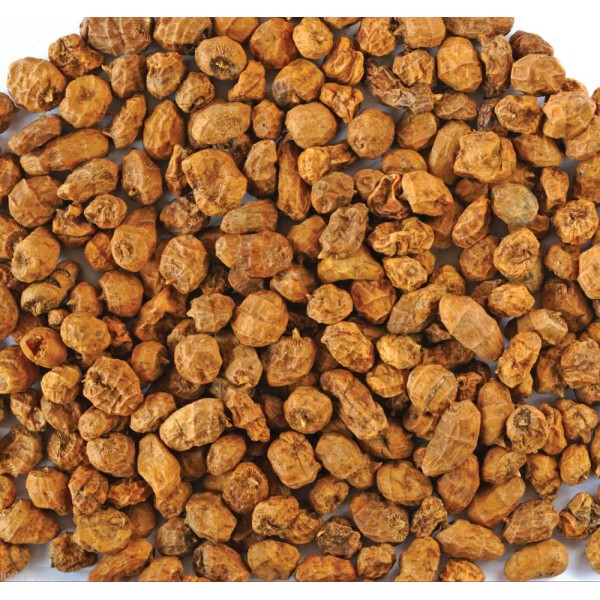


Seed Ranch Chufa Seeds Excellent Turkey/Deer Wildlife Food Plot - 1 Lb.
$45.98
- Free US shipping
-
Arrives
Not For Sale
CO
Food Plot Uses For Chufas
Chufas are a bunch grass with a peanut like underground nut - used for food plots of deer, turkey, hogs and wild hogs. This legume is very similar to peanuts, if you have ever seen hogs rooting peanuts, they go after chufas the same way. Plant in spring through summer. Wildlife digs up the chufas once they mature.
Chufas are perennial sedges that are one of the most popular foods for wild turkeys. Chufa plants have underground tubers, which are part of the plant that turkeys eat. One chufas tuber will produce a plant that can grow to 15-75 tubers when mature. Turkeys find the tubers by scratching them from just under the surface of the ground. The tubers are high in protein and fat, which makes them especially nutritious for wild turkeys. Chufa can also make an excellent food source for other wildlife including deer and ducks.
Chufa plants grow well in the southern half of the US from Northern California across to Southern Iowa and even Southern Pennsylvania. Chufa plants grow in a variety of soil, but perform best on well-drained, sandy or loamy soils. Clay soils can support chufa. When growing in clay soils, lightly turn the soil in the fall to expose the tubers. This practice can be done periodically to extend the food supply into winter and early spring. Simply plow several strips twice a month until the entire field has been plowed. Generally, chufa will grow anywhere that corn can be successfully grown.
Planting Chufas For Food Plots
Planting: Plant 40 lbs per acre; Food Plots: 2-3 lbs per 1000 sq. ft. Planting Depth of 1½ inches. Plot sizes should be at least 1/4 acre for best results. Maturity takes 100-125 days. Plant spring through summer. (April - August depending on location). Chufas mature in approximately 110-120 days after emergence.
Chufas are best planted in rotational plots to cut down on disease possibility relating to tuberous growths that are grown in the same ground yearly. Chufas are easily introduced to a population of wildlife that may not be familiar with the tubers by scratching a few to the surface at maturity and leaving them to be found. These are especially a good food source to plant near trees that produce acorns. Chufa is sold in wildlife seed mixes for small divided food plots for the attraction of turkeys and provide a longer lasting food source when some of the other crops have disappeared. Plant at the rate of 25-50 lb. to the acre in divided ¼- ½ acre sections with the addition of fertilizer with the 10-10-10 ratio.
You will often need to assist wildlife in knowing where to find the chufas by digging so as to expose some of the chufas tubers to the birds, etc. Once they find the tubers they will scratch to locate additional tubers. You will know they have been active when you see all the digging activity at your food plot. We recommend replanting Chufas every year as volunteer crop chufas generally grow too much of a root mass to produce the desired chufa tubers. A newly seed crop will produce the correct plant density desired for tuber production. Chufas grow best in more sandy soils
Turkeys especially are attracted to Chufas, with this probably being the single most preferred food plant that attracts wild turkeys. Planting and growing Chufas is a fairly simple process, involving broadcasting the seed and disking them into the soil. Good soil moisture and temperature is important for germination success. Germination can be anywhere from 10 days to over 30 days depending on condition. Chufa is an old plant of the south that has been grown for years for wild hogs, turkey and deer. Chufa has a peanut like tuber and is easily broadcast planted onto a full cultivated or lightly disked food plot area. Although chufa can re-grow yearly the stand will be lesser in quantity and smaller tuber output will be the result.
Type: warm season annual sedge
Uses: This annual nut sedge will mature in about 100 days, producing underground nuts or tubers that turkey, deer, ducks and hogs cannot resist. Chufa will make an excellent plot by itself or mixes well with other plants. Turkey will visit chufa fields time and time again searching for buried tubers.
Planting
Date: April - May
Rate: 50 lbs./acre or 1 ¼ lbs./1000 sq. ft.
Depth: 1-2" deep
More Planting Instructions:
Seed should be broadcast at a rate of 10-12 lbs. per 1/4 acre on a well-prepared seed bed. After broadcasting cover the seeds with a harrow, disk or drag so that you achieve a planting depth of 1 to 2 inches (soil cover).
Establishment of 3 to 4 plants per sq. ft of coverage is an adequate stand. Apply lime if needed to bright the pH to between 5.5 and 7.0. A application of a balanced fertilizer such as the Pennington Wild Game Fertilizer or a 10-10-10 at rate of 400 lbs. per acre (100 lbs. per 1/4 acre) will also help with growth and establishment..
Best For: Deer, Turkey, and Duck
- Free 30-Day Returns
- Full Refund for Damaged or Incorrect Items
- Guaranteed Delivery or Money Back
- Secure Checkout & Fast Support

Not For Sale
CO
Food Plot Uses For Chufas
Chufas are a bunch grass with a peanut like underground nut - used for food plots of deer, turkey, hogs and wild hogs. This legume is very similar to peanuts, if you have ever seen hogs rooting peanuts, they go after chufas the same way. Plant in spring through summer. Wildlife digs up the chufas once they mature.
Chufas are perennial sedges that are one of the most popular foods for wild turkeys. Chufa plants have underground tubers, which are part of the plant that turkeys eat. One chufas tuber will produce a plant that can grow to 15-75 tubers when mature. Turkeys find the tubers by scratching them from just under the surface of the ground. The tubers are high in protein and fat, which makes them especially nutritious for wild turkeys. Chufa can also make an excellent food source for other wildlife including deer and ducks.
Chufa plants grow well in the southern half of the US from Northern California across to Southern Iowa and even Southern Pennsylvania. Chufa plants grow in a variety of soil, but perform best on well-drained, sandy or loamy soils. Clay soils can support chufa. When growing in clay soils, lightly turn the soil in the fall to expose the tubers. This practice can be done periodically to extend the food supply into winter and early spring. Simply plow several strips twice a month until the entire field has been plowed. Generally, chufa will grow anywhere that corn can be successfully grown.
Planting Chufas For Food Plots
Planting: Plant 40 lbs per acre; Food Plots: 2-3 lbs per 1000 sq. ft. Planting Depth of 1½ inches. Plot sizes should be at least 1/4 acre for best results. Maturity takes 100-125 days. Plant spring through summer. (April - August depending on location). Chufas mature in approximately 110-120 days after emergence.
Chufas are best planted in rotational plots to cut down on disease possibility relating to tuberous growths that are grown in the same ground yearly. Chufas are easily introduced to a population of wildlife that may not be familiar with the tubers by scratching a few to the surface at maturity and leaving them to be found. These are especially a good food source to plant near trees that produce acorns. Chufa is sold in wildlife seed mixes for small divided food plots for the attraction of turkeys and provide a longer lasting food source when some of the other crops have disappeared. Plant at the rate of 25-50 lb. to the acre in divided ¼- ½ acre sections with the addition of fertilizer with the 10-10-10 ratio.
You will often need to assist wildlife in knowing where to find the chufas by digging so as to expose some of the chufas tubers to the birds, etc. Once they find the tubers they will scratch to locate additional tubers. You will know they have been active when you see all the digging activity at your food plot. We recommend replanting Chufas every year as volunteer crop chufas generally grow too much of a root mass to produce the desired chufa tubers. A newly seed crop will produce the correct plant density desired for tuber production. Chufas grow best in more sandy soils
Turkeys especially are attracted to Chufas, with this probably being the single most preferred food plant that attracts wild turkeys. Planting and growing Chufas is a fairly simple process, involving broadcasting the seed and disking them into the soil. Good soil moisture and temperature is important for germination success. Germination can be anywhere from 10 days to over 30 days depending on condition. Chufa is an old plant of the south that has been grown for years for wild hogs, turkey and deer. Chufa has a peanut like tuber and is easily broadcast planted onto a full cultivated or lightly disked food plot area. Although chufa can re-grow yearly the stand will be lesser in quantity and smaller tuber output will be the result.
Type: warm season annual sedge
Uses: This annual nut sedge will mature in about 100 days, producing underground nuts or tubers that turkey, deer, ducks and hogs cannot resist. Chufa will make an excellent plot by itself or mixes well with other plants. Turkey will visit chufa fields time and time again searching for buried tubers.
Planting
Date: April - May
Rate: 50 lbs./acre or 1 ¼ lbs./1000 sq. ft.
Depth: 1-2" deep
More Planting Instructions:
Seed should be broadcast at a rate of 10-12 lbs. per 1/4 acre on a well-prepared seed bed. After broadcasting cover the seeds with a harrow, disk or drag so that you achieve a planting depth of 1 to 2 inches (soil cover).
Establishment of 3 to 4 plants per sq. ft of coverage is an adequate stand. Apply lime if needed to bright the pH to between 5.5 and 7.0. A application of a balanced fertilizer such as the Pennington Wild Game Fertilizer or a 10-10-10 at rate of 400 lbs. per acre (100 lbs. per 1/4 acre) will also help with growth and establishment..
Best For: Deer, Turkey, and Duck
Not For Sale
CO
Food Plot Uses For Chufas
Chufas are a bunch grass with a peanut like underground nut - used for food plots of deer, turkey, hogs and wild hogs. This legume is very similar to peanuts, if you have ever seen hogs rooting peanuts, they go after chufas the same way. Plant in spring through summer. Wildlife digs up the chufas once they mature.
Chufas are perennial sedges that are one of the most popular foods for wild turkeys. Chufa plants have underground tubers, which are part of the plant that turkeys eat. One chufas tuber will produce a plant that can grow to 15-75 tubers when mature. Turkeys find the tubers by scratching them from just under the surface of the ground. The tubers are high in protein and fat, which makes them especially nutritious for wild turkeys. Chufa can also make an excellent food source for other wildlife including deer and ducks.
Chufa plants grow well in the southern half of the US from Northern California across to Southern Iowa and even Southern Pennsylvania. Chufa plants grow in a variety of soil, but perform best on well-drained, sandy or loamy soils. Clay soils can support chufa. When growing in clay soils, lightly turn the soil in the fall to expose the tubers. This practice can be done periodically to extend the food supply into winter and early spring. Simply plow several strips twice a month until the entire field has been plowed. Generally, chufa will grow anywhere that corn can be successfully grown.
Planting Chufas For Food Plots
Planting: Plant 40 lbs per acre; Food Plots: 2-3 lbs per 1000 sq. ft. Planting Depth of 1½ inches. Plot sizes should be at least 1/4 acre for best results. Maturity takes 100-125 days. Plant spring through summer. (April - August depending on location). Chufas mature in approximately 110-120 days after emergence.
Chufas are best planted in rotational plots to cut down on disease possibility relating to tuberous growths that are grown in the same ground yearly. Chufas are easily introduced to a population of wildlife that may not be familiar with the tubers by scratching a few to the surface at maturity and leaving them to be found. These are especially a good food source to plant near trees that produce acorns. Chufa is sold in wildlife seed mixes for small divided food plots for the attraction of turkeys and provide a longer lasting food source when some of the other crops have disappeared. Plant at the rate of 25-50 lb. to the acre in divided ¼- ½ acre sections with the addition of fertilizer with the 10-10-10 ratio.
You will often need to assist wildlife in knowing where to find the chufas by digging so as to expose some of the chufas tubers to the birds, etc. Once they find the tubers they will scratch to locate additional tubers. You will know they have been active when you see all the digging activity at your food plot. We recommend replanting Chufas every year as volunteer crop chufas generally grow too much of a root mass to produce the desired chufa tubers. A newly seed crop will produce the correct plant density desired for tuber production. Chufas grow best in more sandy soils
Turkeys especially are attracted to Chufas, with this probably being the single most preferred food plant that attracts wild turkeys. Planting and growing Chufas is a fairly simple process, involving broadcasting the seed and disking them into the soil. Good soil moisture and temperature is important for germination success. Germination can be anywhere from 10 days to over 30 days depending on condition. Chufa is an old plant of the south that has been grown for years for wild hogs, turkey and deer. Chufa has a peanut like tuber and is easily broadcast planted onto a full cultivated or lightly disked food plot area. Although chufa can re-grow yearly the stand will be lesser in quantity and smaller tuber output will be the result.
Type: warm season annual sedge
Uses: This annual nut sedge will mature in about 100 days, producing underground nuts or tubers that turkey, deer, ducks and hogs cannot resist. Chufa will make an excellent plot by itself or mixes well with other plants. Turkey will visit chufa fields time and time again searching for buried tubers.
Planting
Date: April - May
Rate: 50 lbs./acre or 1 ¼ lbs./1000 sq. ft.
Depth: 1-2" deep
More Planting Instructions:
Seed should be broadcast at a rate of 10-12 lbs. per 1/4 acre on a well-prepared seed bed. After broadcasting cover the seeds with a harrow, disk or drag so that you achieve a planting depth of 1 to 2 inches (soil cover).
Establishment of 3 to 4 plants per sq. ft of coverage is an adequate stand. Apply lime if needed to bright the pH to between 5.5 and 7.0. A application of a balanced fertilizer such as the Pennington Wild Game Fertilizer or a 10-10-10 at rate of 400 lbs. per acre (100 lbs. per 1/4 acre) will also help with growth and establishment..
Best For: Deer, Turkey, and Duck
Seller Notes
Brand
Type
Country/Region of Manufacture
UPC
Processing Time
- We process and ship orders Monday through Friday, excluding holidays.
- Most orders are processed within 1–3 business days, depending on product availability.
- Processing time does not include delivery time, which varies based on your location and the product’s shipping origin.
Shipping Coverage
We currently ship to addresses within the United States only.
Products may ship from:
- Our U.S. warehouses, or
- Our international fulfillment centers (including Korea, Japan, China, Australia, Mexico, Canada, the United Kingdom, and the EU).
Each product page clearly displays the “Ships From” location before checkout.
Shipping Methods & Estimated Delivery
| Shipping Method | Estimated Delivery | Cost |
|---|---|---|
| Free Shipping (US) | 5–10 business days | Free, available on eligible items |
| Standard Shipping (US to US by Item) | 5–10 business days | $5.95 for the first item, $3.00 each additional |
| Standard Shipping (From US Warehouse by Weight) | 3–7 business days | Starts at $5.95, increasing by $2 for every additional 4 oz (0.25 lb) up to 1 lb, then by $4 for each additional pound beyond 1 lb. |
| Extended Delivery (Ships from Overseas Warehouse) | 10–20 business days | $14.50 for the first item, $2.00 each additional |
Shipping costs vary by product weight, quantity and origin. Exact rates and delivery estimates are displayed on each product page and confirmed during checkout.
Free Shipping
We offer free standard shipping on select products or during promotional periods. Availability of free shipping will be displayed on the product page and at checkout.
Carriers
We primarily use USPS and UPS for U.S. deliveries. Items shipped from international warehouses may be handled by partner carriers depending on the country of origin.
Import Duties & Taxes
All import duties and taxes for goods imported into the United States are included in the product price. There are no hidden fees or additional charges at checkout.
Tracking & Notifications
Every order is fully trackable. You will receive a tracking number via email once your order ships. If your order ships in multiple packages, each package will have its own tracking number. If you don’t receive a shipping confirmation immediately, your order is still being processed and will arrive within the estimated timeframe shown at checkout.
You can track your shipment anytime using the Track Your Order page on our website.
Order Changes & Cancellations
If you need to modify or cancel an order, please contact our customer support team as soon as possible. Orders can only be canceled before they ship. Once shipped, cancellations are not possible, but you may request a return after the item is delivered.
Contact: support@ibspot.com
Item Not Received
If your tracking number shows “Delivered” but you haven’t received your package:
- Check with your local USPS or UPS office.
- Confirm that the shipping address provided was correct.
- If the issue remains unresolved, contact support@ibspot.com for assistance.
Damaged or Lost Parcels
If your package arrives damaged or fails to arrive, please contact us immediately. For deliveries to P.O. boxes, ibspot is not responsible for damage caused by weather, temperature, or theft.
Customer Support
For any questions about shipping, tracking, or delivery, our customer support team is here to help.
Email: support@ibspot.com
We’re always happy to help.
Please read our policy carefully before making a purchase.
We aim to ensure every customer has a smooth and transparent experience with ibspot.com.
Order Cancellation Policy
Customers may request to cancel an order before it has been shipped.
Once the package has been shipped, cancellations are no longer possible; however, you may still request a return after receiving your order.
How to Request a Cancellation
You can contact us through:
- Email: support@ibspot.com
- Contact Form: Submit a request through our Contact Us page
Please submit your cancellation request as soon as possible after placing the order to allow us to process it before shipment.
Return Policy
We accept returns for most items within 30 days of delivery for a full refund.
To be eligible for a return:
- The item must be unused, in the same condition as received, and in its original packaging.
- A tracking number must be provided to confirm the return shipment.
Non-Returnable Items
Certain products cannot be returned, including:
- Perishable goods (for example, food, flowers, newspapers, magazines)
- Intimate or sanitary goods
- Hazardous materials or flammable liquids/gases
- Gift cards
- Downloadable software
- Some health and personal care items
Partial Refunds (If Applicable)
Partial refunds may be granted in specific situations, such as:
- Books with obvious signs of use
- Opened CDs, DVDs, software, or vinyl records
- Items not in their original condition, damaged, or missing parts not due to our error
- Items returned more than 30 days after delivery
How to Return an Item
To initiate a return, please contact us at support@ibspot.com with your order number and details about the product you wish to return.
Our team will provide you with return instructions and a prepaid return label.
Shipping Cost for Returns
Please contact us before returning any item.
We will provide a free return shipping label.
If a return is sent back without prior contact or without our provided label, we cannot be held responsible for return shipping costs.
For items valued over $75, we recommend using a trackable shipping service or purchasing shipping insurance.
We cannot guarantee that we will receive your returned item if shipped independently.
Refund Processing
Once your return is received and inspected:
- In-store returns are refunded to the original form of payment or issued as a gift card.
- Mail-in returns using our prepaid label are refunded to the original payment method within 3–5 business days after we receive your return.
Please allow:
- 5–7 business days for the return to reach our Returns Center.
- An additional 3–10 business days for your bank to post the refund to your account.
Damages, Issues & Claims
Please inspect your order immediately upon receipt.
If you receive a defective, damaged, or incorrect item, contact us right away at support@ibspot.com.
We’ll evaluate the issue promptly and make it right.
Product Claims
Before purchasing, please review product details carefully.
If there is a problem with your order upon arrival, visit our Support Center or contact us directly to arrange return shipping or replacement.
Exchanges
We do not process direct exchanges.
The fastest way to get what you need is to return the original item and place a new order once your return is accepted.
Return Address
IBSPOT Return Center
15 Sawmill Ln
Dover Plains, NY 12522
United States
Customer Support
Our support team is available 24/7 to assist with cancellations, returns, or general inquiries.
Email: support@ibspot.com
Contact Form: Contact Us page
Oops!
Sorry, it looks like some products are not available in selected quantity.