

Rootx Foaming Sewer Line Root Killer Controls Roots 4lb Jar

$252.35

  • Free US shipping
  • Arrives

ROOTX - 4 Pound Jar Container of Root Killer For Sewer Drain Pipes. Kills Roots In Your Plumbing Sewer Drain Pipes.


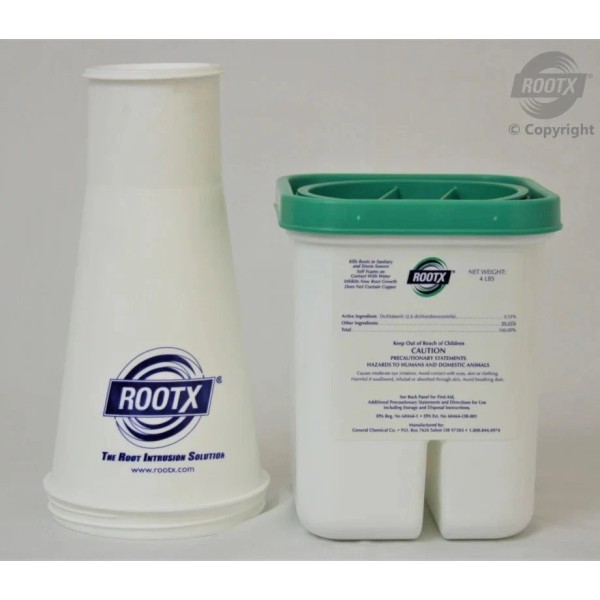
What is included in this listing?? NEW-  1 container of RootX root killer in 4 lb. jar. Funnel applicator


Description:


Kill pipeline roots—avoid costly repairs


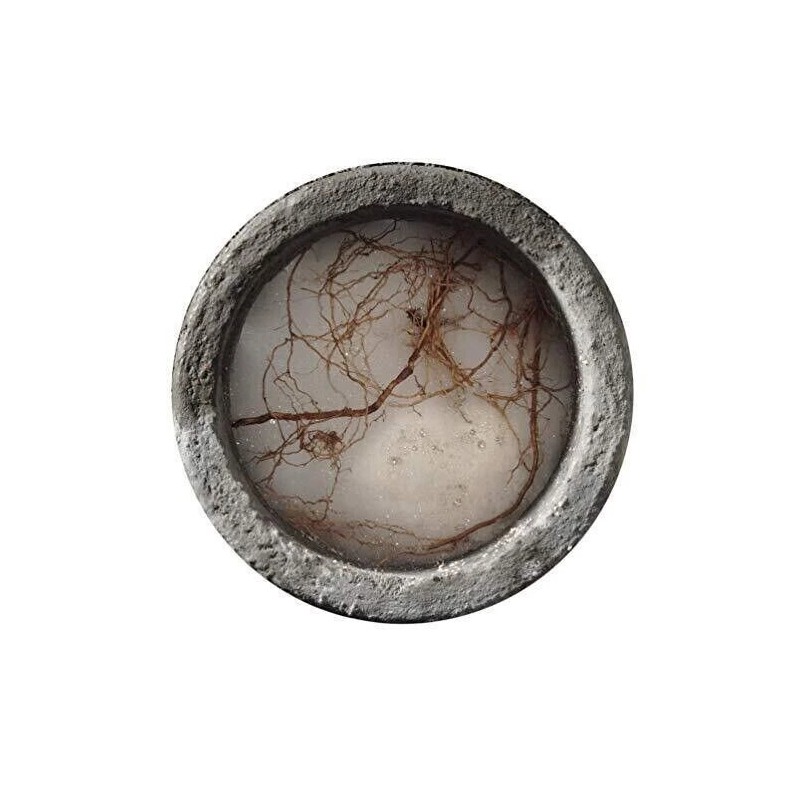
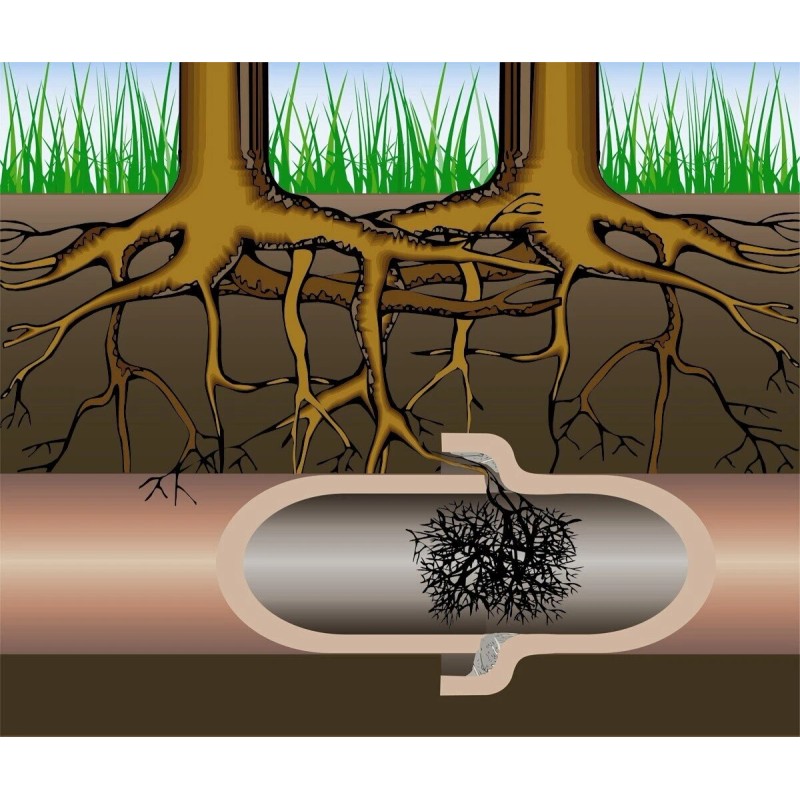
RootX® makes it easy for your plumbing professional to kill roots in residential sewer lines, storm pipes and septic systems. Root intrusion may be the single most destructive element facing your home’s wastewater collection system. Left untreated, roots will spread throughout the pipe. Material passing down the drain gets trapped in the roots, restricting the flow or even causing a complete blockage.


Root intrusion can eventually destroy a sewer or septic system, costing thousands of dollars to repair or replace. We recommend annual RootX treatments to keep your system root free and avoid costly sewer and septic tank repairs. Ask your plumbing professional about our annual reminder program.


Kill pipeline roots—restore pipe flow capacity

The patented RootX formula foams on contact with water to reach the top of the pipe where 90% of the roots are. Degreasing agents strip away grime so the RootX herbicide can penetrate the roots, killing them on contact. RootX sticks to the pipe walls, preventing re-growth for up to three years. Dead roots decay over time, restoring pipes to their full capacity.


Tough on roots; easy on pipes

RootX kills roots using the aquatic herbicide Dichlobenil. It’s non-caustic, non-fumigating and non-systemic, and it contains no diquat dibromide, copper sulfate or metam sodium. RootX will not harm pipes, septic systems or above-ground vegetation (not for use in septic systems in the state of Florida).


EPA registration #68464-1

RootX is registered for use in all 50 states as well as Canada, and it’s classified as a General Use product by the Environmental Protection Agency. In addition, RootX carries the signal word CAUTION, the lowest chemical hazard rating according to the ISO 3864-2 standard for hazard severity panels.


How RootX works


RootX is a simple, cost-effective and proven way to kill pipeline roots in sewer lines, storm pipes and septic systems (not for use in septic systems in the state of Florida).


RootX uses the aquatic herbicide Dichlobenil. It’s non-caustic, non-fumigating and non-systemic, and it contains no diquat dibromide, copper sulfate or metam sodium. RootX is classified as a General Use product by the Environmental Protection Agency, and it’s registered for use in all 50 states (EPA registration #68464-1) as well as Canada. In addition, RootX carries the signal word CAUTION, the lowest chemical hazard rating according to the ISO 3864-2 standard for hazard severity panels.


Foaming RootX formula kills roots

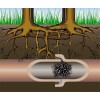
The patented RootX formula foams on contact with water. The foam acts as a carrying agent, lifting the herbicide to the top of the pipe where 90 percent of pipeline roots grow. De-greasing agents strip away grease and grime so the active ingredient can penetrate the roots, killing the root tissue on contact. RootX promotes bacterial growth to speed the decay and natural removal of roots. The foam also leaves a thin layer of the RootX herbicide on the pipe walls to prevent re-growth.


Enhances mechanical root cutting

Mechanical root cutting is an immediate and short-term solution to relieving pipeline blockages caused by root intrusion. However, cutting roots is like pruning a tree; it stimulates even more vigorous and destructive root growth in the remaining roots. That means new root growth can fully clog your pipe again in just nine months.


Treating pipes with RootX not only kills all the roots on contact, it also leaves a thin layer of the herbicide on the pipe walls to prevent roots from coming back. New root growth after treatment with RootX is much slower and less destructive to the pipe.


If this is the first time you’re treating a pipe or if it is completely blocked, it makes sense to use mechanical cutting to remove the root mass and restore pipe flow right away. However, you can kill any remaining roots in the line and stunt re-growth longer by applying RootX immediately after mechanical cutting.


It’s important to apply RootX within the first hour after cutting or wait six to eight weeks. That’s because roots release a traumatic acid to cover the cut ends and protect them against further injury. If you apply RootX immediately after cutting, the herbicide can penetrate the root ends before the traumatic acid coating is complete. After six to eight weeks, the traumatic acid will have dissipated, leaving the most vulnerable part of the root—the white tender meristem growth where cells are actively dividing—exposed to the herbicide. The more root tissue you can treat with RootX, the better.


Once you've put your pipelines on a maintenance program with annual RootX treatments, you should be able to eliminate mechanical root cutting in most cases.


FAQs


How do roots grow in sewer pipes?

As trees and plants mature, their underground root system grows and naturally seeks out moisture. The most consistent source of moisture is sewer and wastewater pipelines. Joints and cracks in the pipe create natural entry points for roots. Roots start to grow at the top of the pipe and spread.


Is root intrusion a serious problem?

It can be. According to the Environmental Protection Agency, root intrusion is probably the single most destructive element involved in maintaining a wastewater collection system. Left untreated, roots will spread throughout the pipe. Material passing down the drain gets trapped in the roots, restricting the flow or even causing a complete blockage. Root intrusion can eventually destroy a sewer or septic system, costing homeowners thousands of dollars to repair or replace.


How is chemical root control with RootX different from mechanical cutting?

Treating pipes with RootX takes less time than mechanical cutting, and the results last longer.


Mechanical root cutting leaves some roots behind in the pipe. Cutting roots is also like pruning a tree; it stimulates vigorous re-growth in the remaining roots. That means new root growth can fully clog your pipe again in just nine months. What’s more the cycle of cutting roots, re-growth and cutting again will eventually destroy the structural integrity of the pipe.


RootX kills roots on contact; the dead roots decay over time and are carried out with the flow of the pipe, restoring the pipe to its full capacity. RootX also leaves a barrier on the pipe walls to prevent future root growth. Once you’re on a maintenance program with annual RootX treatments, you should be able to eliminate mechanical root cutting in most cases.


Should I use RootX together with mechanical root cutting?

If this is the first time you’re having your pipes treated or if the pipe is completely blocked, your plumbing contractor can clear away the immediate blockage by cutting the roots first. Then he’ll use RootX to kill the remaining roots and leave a barrier on the pipe to prevent re-growth. Make sure your plumber applies RootX within one hour of cutting the roots; this ensures the remaining root structure properly absorbs the RootX herbicide. Otherwise, he’ll need to wait 6-8 weeks before using RootX to allow root ends to develop.


What’s the best location for applying RootX?

The cleanout is the preferred method for most residential applications because it’s closest to the pipes where roots can cause problems. If there’s no cleanout at your house, your plumber can apply RootX using the toilet. To prevent foam overflow outside the pipeline, he should only use a 2-lb. jar of RootX in a toilet application.


How long does it take to apply RootX?

Your plumber can treat your sewer or septic system by applying RootX in a cleanout or pouring it into a toilet. It takes just minutes to complete a RootX treatment.


How quickly can I expect results with RootX?

RootX kills roots on contact and destroys the root structure within the first hour after application. The roots decay in over time depending on the type of plant and the size of the root mass. In extreme cases where the pipe is completely blocked or close to it, your plumber should use mechanical root cutting to clear the blockage, followed immediately by RootX to kill the remaining roots and prevent re-growth.


What kind of chemicals does RootX use?

RootX kills roots using Dichlobenil, a proven aquatic herbicide. RootX also contains degreasing agents that strip away the grime on roots, allowing the Dichlobenil herbicide to penetrate the root ends. Unlike other root control chemicals, RootX contains no diquat dibromide, copper sulfate or metam sodium.


Is RootX harmful to the environment?

No. The RootX formula is non-caustic, non-fumigating and non-systemic. It is classified as a General Use product by the Environmental Protection Agency and is registered for use in all 50 states (EPA registration #68464-1). In addition, RootX carries the signal word CAUTION, the lowest chemical hazard rating according to the ISO 3864-2 standard for hazard severity panels.


Does RootX harm trees and plants?

No. RootX only kills the roots inside the pipe and prevents their re-growth. Since the RootX foam only flows through the pipe, it has no effect on roots outside the pipe.


Can RootX be used in septic systems?

Yes. RootX can be poured directly into the septic tank and distribution box to kill roots that have intruded into the tank and drain field lines (not for use in septic systems in the state of Florida).


Is RootX hard on pipes or septic systems?

No. RootX contains no diquat dibromide, copper sulfate or metam sodium. The RootX formula is non-caustic, non-fumigating and non-systemic. RootX also promotes bacterial growth, which is good for septic systems (not for use in septic systems in the state of Florida). By contrast, mechanical root cutting, which cuts and tears at roots that become embedded in the pipe walls, can eventually destroy a pipe’s structural integrity.


Will the RootX foam stop or block any flow during application?

No. RootX foams on contact with water, and it uses the natural flow of the line to spread the foam throughout the pipe. Wastewater continues to flow under the foam, so using RootX does not cause any service interruptions. However, you should reduce water use for at least an hour to allow the RootX foam to fully spread and soak into the roots.


How long does it take the RootX foam to dissipate after application?

The fast-acting RootX foam will normally dissipate in about 15 minutes.


How often do I need RootX treatments?

You should treat your sewer lines or septic system every year


Isin:
IDSERNN7WVXJ

$252.35

  • Free US shipping
  • Arrives

In Stock

Sold by , Fulfilled by IBSPOT • Ships from US

IBSPOT Buyer Protection
  • Free 30-Day Returns
  • Full Refund for Damaged or Incorrect Items
  • Guaranteed Delivery or Money Back
  • Secure Checkout & Fast Support
scroll to top arrow
Rootx Foaming Sewer Line Root Killer Controls Roots 4lb Jar

Rootx Foaming Sewer Line Root Killer Controls Roots 4lb Jar

$252.35

ROOTX - 4 Pound Jar Container of Root Killer For Sewer Drain Pipes. Kills Roots In Your Plumbing Sewer Drain Pipes.


What is included in this listing?? NEW-  1 container of RootX root killer in 4 lb. jar. Funnel applicator


Description:


Kill pipeline roots—avoid costly repairs


RootX® makes it easy for your plumbing professional to kill roots in residential sewer lines, storm pipes and septic systems. Root intrusion may be the single most destructive element facing your home’s wastewater collection system. Left untreated, roots will spread throughout the pipe. Material passing down the drain gets trapped in the roots, restricting the flow or even causing a complete blockage.


Root intrusion can eventually destroy a sewer or septic system, costing thousands of dollars to repair or replace. We recommend annual RootX treatments to keep your system root free and avoid costly sewer and septic tank repairs. Ask your plumbing professional about our annual reminder program.


Kill pipeline roots—restore pipe flow capacity

The patented RootX formula foams on contact with water to reach the top of the pipe where 90% of the roots are. Degreasing agents strip away grime so the RootX herbicide can penetrate the roots, killing them on contact. RootX sticks to the pipe walls, preventing re-growth for up to three years. Dead roots decay over time, restoring pipes to their full capacity.


Tough on roots; easy on pipes

RootX kills roots using the aquatic herbicide Dichlobenil. It’s non-caustic, non-fumigating and non-systemic, and it contains no diquat dibromide, copper sulfate or metam sodium. RootX will not harm pipes, septic systems or above-ground vegetation (not for use in septic systems in the state of Florida).


EPA registration #68464-1

RootX is registered for use in all 50 states as well as Canada, and it’s classified as a General Use product by the Environmental Protection Agency. In addition, RootX carries the signal word CAUTION, the lowest chemical hazard rating according to the ISO 3864-2 standard for hazard severity panels.


How RootX works


RootX is a simple, cost-effective and proven way to kill pipeline roots in sewer lines, storm pipes and septic systems (not for use in septic systems in the state of Florida).


RootX uses the aquatic herbicide Dichlobenil. It’s non-caustic, non-fumigating and non-systemic, and it contains no diquat dibromide, copper sulfate or metam sodium. RootX is classified as a General Use product by the Environmental Protection Agency, and it’s registered for use in all 50 states (EPA registration #68464-1) as well as Canada. In addition, RootX carries the signal word CAUTION, the lowest chemical hazard rating according to the ISO 3864-2 standard for hazard severity panels.


Foaming RootX formula kills roots

The patented RootX formula foams on contact with water. The foam acts as a carrying agent, lifting the herbicide to the top of the pipe where 90 percent of pipeline roots grow. De-greasing agents strip away grease and grime so the active ingredient can penetrate the roots, killing the root tissue on contact. RootX promotes bacterial growth to speed the decay and natural removal of roots. The foam also leaves a thin layer of the RootX herbicide on the pipe walls to prevent re-growth.


Enhances mechanical root cutting

Mechanical root cutting is an immediate and short-term solution to relieving pipeline blockages caused by root intrusion. However, cutting roots is like pruning a tree; it stimulates even more vigorous and destructive root growth in the remaining roots. That means new root growth can fully clog your pipe again in just nine months.


Treating pipes with RootX not only kills all the roots on contact, it also leaves a thin layer of the herbicide on the pipe walls to prevent roots from coming back. New root growth after treatment with RootX is much slower and less destructive to the pipe.


If this is the first time you’re treating a pipe or if it is completely blocked, it makes sense to use mechanical cutting to remove the root mass and restore pipe flow right away. However, you can kill any remaining roots in the line and stunt re-growth longer by applying RootX immediately after mechanical cutting.


It’s important to apply RootX within the first hour after cutting or wait six to eight weeks. That’s because roots release a traumatic acid to cover the cut ends and protect them against further injury. If you apply RootX immediately after cutting, the herbicide can penetrate the root ends before the traumatic acid coating is complete. After six to eight weeks, the traumatic acid will have dissipated, leaving the most vulnerable part of the root—the white tender meristem growth where cells are actively dividing—exposed to the herbicide. The more root tissue you can treat with RootX, the better.


Once you've put your pipelines on a maintenance program with annual RootX treatments, you should be able to eliminate mechanical root cutting in most cases.


FAQs


How do roots grow in sewer pipes?

As trees and plants mature, their underground root system grows and naturally seeks out moisture. The most consistent source of moisture is sewer and wastewater pipelines. Joints and cracks in the pipe create natural entry points for roots. Roots start to grow at the top of the pipe and spread.


Is root intrusion a serious problem?

It can be. According to the Environmental Protection Agency, root intrusion is probably the single most destructive element involved in maintaining a wastewater collection system. Left untreated, roots will spread throughout the pipe. Material passing down the drain gets trapped in the roots, restricting the flow or even causing a complete blockage. Root intrusion can eventually destroy a sewer or septic system, costing homeowners thousands of dollars to repair or replace.


How is chemical root control with RootX different from mechanical cutting?

Treating pipes with RootX takes less time than mechanical cutting, and the results last longer.


Mechanical root cutting leaves some roots behind in the pipe. Cutting roots is also like pruning a tree; it stimulates vigorous re-growth in the remaining roots. That means new root growth can fully clog your pipe again in just nine months. What’s more the cycle of cutting roots, re-growth and cutting again will eventually destroy the structural integrity of the pipe.


RootX kills roots on contact; the dead roots decay over time and are carried out with the flow of the pipe, restoring the pipe to its full capacity. RootX also leaves a barrier on the pipe walls to prevent future root growth. Once you’re on a maintenance program with annual RootX treatments, you should be able to eliminate mechanical root cutting in most cases.


Should I use RootX together with mechanical root cutting?

If this is the first time you’re having your pipes treated or if the pipe is completely blocked, your plumbing contractor can clear away the immediate blockage by cutting the roots first. Then he’ll use RootX to kill the remaining roots and leave a barrier on the pipe to prevent re-growth. Make sure your plumber applies RootX within one hour of cutting the roots; this ensures the remaining root structure properly absorbs the RootX herbicide. Otherwise, he’ll need to wait 6-8 weeks before using RootX to allow root ends to develop.


What’s the best location for applying RootX?

The cleanout is the preferred method for most residential applications because it’s closest to the pipes where roots can cause problems. If there’s no cleanout at your house, your plumber can apply RootX using the toilet. To prevent foam overflow outside the pipeline, he should only use a 2-lb. jar of RootX in a toilet application.


How long does it take to apply RootX?

Your plumber can treat your sewer or septic system by applying RootX in a cleanout or pouring it into a toilet. It takes just minutes to complete a RootX treatment.


How quickly can I expect results with RootX?

RootX kills roots on contact and destroys the root structure within the first hour after application. The roots decay in over time depending on the type of plant and the size of the root mass. In extreme cases where the pipe is completely blocked or close to it, your plumber should use mechanical root cutting to clear the blockage, followed immediately by RootX to kill the remaining roots and prevent re-growth.


What kind of chemicals does RootX use?

RootX kills roots using Dichlobenil, a proven aquatic herbicide. RootX also contains degreasing agents that strip away the grime on roots, allowing the Dichlobenil herbicide to penetrate the root ends. Unlike other root control chemicals, RootX contains no diquat dibromide, copper sulfate or metam sodium.


Is RootX harmful to the environment?

No. The RootX formula is non-caustic, non-fumigating and non-systemic. It is classified as a General Use product by the Environmental Protection Agency and is registered for use in all 50 states (EPA registration #68464-1). In addition, RootX carries the signal word CAUTION, the lowest chemical hazard rating according to the ISO 3864-2 standard for hazard severity panels.


Does RootX harm trees and plants?

No. RootX only kills the roots inside the pipe and prevents their re-growth. Since the RootX foam only flows through the pipe, it has no effect on roots outside the pipe.


Can RootX be used in septic systems?

Yes. RootX can be poured directly into the septic tank and distribution box to kill roots that have intruded into the tank and drain field lines (not for use in septic systems in the state of Florida).


Is RootX hard on pipes or septic systems?

No. RootX contains no diquat dibromide, copper sulfate or metam sodium. The RootX formula is non-caustic, non-fumigating and non-systemic. RootX also promotes bacterial growth, which is good for septic systems (not for use in septic systems in the state of Florida). By contrast, mechanical root cutting, which cuts and tears at roots that become embedded in the pipe walls, can eventually destroy a pipe’s structural integrity.


Will the RootX foam stop or block any flow during application?

No. RootX foams on contact with water, and it uses the natural flow of the line to spread the foam throughout the pipe. Wastewater continues to flow under the foam, so using RootX does not cause any service interruptions. However, you should reduce water use for at least an hour to allow the RootX foam to fully spread and soak into the roots.


How long does it take the RootX foam to dissipate after application?

The fast-acting RootX foam will normally dissipate in about 15 minutes.


How often do I need RootX treatments?

You should treat your sewer lines or septic system every year


Isin:
IDSERNN7WVXJ

ROOTX - 4 Pound Jar Container of Root Killer For Sewer Drain Pipes. Kills Roots In Your Plumbing Sewer Drain Pipes.


What is included in this listing?? NEW-  1 container of RootX root killer in 4 lb. jar. Funnel applicator


Description:


Kill pipeline roots—avoid costly repairs


RootX® makes it easy for your plumbing professional to kill roots in residential sewer lines, storm pipes and septic systems. Root intrusion may be the single most destructive element facing your home’s wastewater collection system. Left untreated, roots will spread throughout the pipe. Material passing down the drain gets trapped in the roots, restricting the flow or even causing a complete blockage.


Root intrusion can eventually destroy a sewer or septic system, costing thousands of dollars to repair or replace. We recommend annual RootX treatments to keep your system root free and avoid costly sewer and septic tank repairs. Ask your plumbing professional about our annual reminder program.


Kill pipeline roots—restore pipe flow capacity

The patented RootX formula foams on contact with water to reach the top of the pipe where 90% of the roots are. Degreasing agents strip away grime so the RootX herbicide can penetrate the roots, killing them on contact. RootX sticks to the pipe walls, preventing re-growth for up to three years. Dead roots decay over time, restoring pipes to their full capacity.


Tough on roots; easy on pipes

RootX kills roots using the aquatic herbicide Dichlobenil. It’s non-caustic, non-fumigating and non-systemic, and it contains no diquat dibromide, copper sulfate or metam sodium. RootX will not harm pipes, septic systems or above-ground vegetation (not for use in septic systems in the state of Florida).


EPA registration #68464-1

RootX is registered for use in all 50 states as well as Canada, and it’s classified as a General Use product by the Environmental Protection Agency. In addition, RootX carries the signal word CAUTION, the lowest chemical hazard rating according to the ISO 3864-2 standard for hazard severity panels.


How RootX works


RootX is a simple, cost-effective and proven way to kill pipeline roots in sewer lines, storm pipes and septic systems (not for use in septic systems in the state of Florida).


RootX uses the aquatic herbicide Dichlobenil. It’s non-caustic, non-fumigating and non-systemic, and it contains no diquat dibromide, copper sulfate or metam sodium. RootX is classified as a General Use product by the Environmental Protection Agency, and it’s registered for use in all 50 states (EPA registration #68464-1) as well as Canada. In addition, RootX carries the signal word CAUTION, the lowest chemical hazard rating according to the ISO 3864-2 standard for hazard severity panels.


Foaming RootX formula kills roots

The patented RootX formula foams on contact with water. The foam acts as a carrying agent, lifting the herbicide to the top of the pipe where 90 percent of pipeline roots grow. De-greasing agents strip away grease and grime so the active ingredient can penetrate the roots, killing the root tissue on contact. RootX promotes bacterial growth to speed the decay and natural removal of roots. The foam also leaves a thin layer of the RootX herbicide on the pipe walls to prevent re-growth.


Enhances mechanical root cutting

Mechanical root cutting is an immediate and short-term solution to relieving pipeline blockages caused by root intrusion. However, cutting roots is like pruning a tree; it stimulates even more vigorous and destructive root growth in the remaining roots. That means new root growth can fully clog your pipe again in just nine months.


Treating pipes with RootX not only kills all the roots on contact, it also leaves a thin layer of the herbicide on the pipe walls to prevent roots from coming back. New root growth after treatment with RootX is much slower and less destructive to the pipe.


If this is the first time you’re treating a pipe or if it is completely blocked, it makes sense to use mechanical cutting to remove the root mass and restore pipe flow right away. However, you can kill any remaining roots in the line and stunt re-growth longer by applying RootX immediately after mechanical cutting.


It’s important to apply RootX within the first hour after cutting or wait six to eight weeks. That’s because roots release a traumatic acid to cover the cut ends and protect them against further injury. If you apply RootX immediately after cutting, the herbicide can penetrate the root ends before the traumatic acid coating is complete. After six to eight weeks, the traumatic acid will have dissipated, leaving the most vulnerable part of the root—the white tender meristem growth where cells are actively dividing—exposed to the herbicide. The more root tissue you can treat with RootX, the better.


Once you've put your pipelines on a maintenance program with annual RootX treatments, you should be able to eliminate mechanical root cutting in most cases.


FAQs


How do roots grow in sewer pipes?

As trees and plants mature, their underground root system grows and naturally seeks out moisture. The most consistent source of moisture is sewer and wastewater pipelines. Joints and cracks in the pipe create natural entry points for roots. Roots start to grow at the top of the pipe and spread.


Is root intrusion a serious problem?

It can be. According to the Environmental Protection Agency, root intrusion is probably the single most destructive element involved in maintaining a wastewater collection system. Left untreated, roots will spread throughout the pipe. Material passing down the drain gets trapped in the roots, restricting the flow or even causing a complete blockage. Root intrusion can eventually destroy a sewer or septic system, costing homeowners thousands of dollars to repair or replace.


How is chemical root control with RootX different from mechanical cutting?

Treating pipes with RootX takes less time than mechanical cutting, and the results last longer.


Mechanical root cutting leaves some roots behind in the pipe. Cutting roots is also like pruning a tree; it stimulates vigorous re-growth in the remaining roots. That means new root growth can fully clog your pipe again in just nine months. What’s more the cycle of cutting roots, re-growth and cutting again will eventually destroy the structural integrity of the pipe.


RootX kills roots on contact; the dead roots decay over time and are carried out with the flow of the pipe, restoring the pipe to its full capacity. RootX also leaves a barrier on the pipe walls to prevent future root growth. Once you’re on a maintenance program with annual RootX treatments, you should be able to eliminate mechanical root cutting in most cases.


Should I use RootX together with mechanical root cutting?

If this is the first time you’re having your pipes treated or if the pipe is completely blocked, your plumbing contractor can clear away the immediate blockage by cutting the roots first. Then he’ll use RootX to kill the remaining roots and leave a barrier on the pipe to prevent re-growth. Make sure your plumber applies RootX within one hour of cutting the roots; this ensures the remaining root structure properly absorbs the RootX herbicide. Otherwise, he’ll need to wait 6-8 weeks before using RootX to allow root ends to develop.


What’s the best location for applying RootX?

The cleanout is the preferred method for most residential applications because it’s closest to the pipes where roots can cause problems. If there’s no cleanout at your house, your plumber can apply RootX using the toilet. To prevent foam overflow outside the pipeline, he should only use a 2-lb. jar of RootX in a toilet application.


How long does it take to apply RootX?

Your plumber can treat your sewer or septic system by applying RootX in a cleanout or pouring it into a toilet. It takes just minutes to complete a RootX treatment.


How quickly can I expect results with RootX?

RootX kills roots on contact and destroys the root structure within the first hour after application. The roots decay in over time depending on the type of plant and the size of the root mass. In extreme cases where the pipe is completely blocked or close to it, your plumber should use mechanical root cutting to clear the blockage, followed immediately by RootX to kill the remaining roots and prevent re-growth.


What kind of chemicals does RootX use?

RootX kills roots using Dichlobenil, a proven aquatic herbicide. RootX also contains degreasing agents that strip away the grime on roots, allowing the Dichlobenil herbicide to penetrate the root ends. Unlike other root control chemicals, RootX contains no diquat dibromide, copper sulfate or metam sodium.


Is RootX harmful to the environment?

No. The RootX formula is non-caustic, non-fumigating and non-systemic. It is classified as a General Use product by the Environmental Protection Agency and is registered for use in all 50 states (EPA registration #68464-1). In addition, RootX carries the signal word CAUTION, the lowest chemical hazard rating according to the ISO 3864-2 standard for hazard severity panels.


Does RootX harm trees and plants?

No. RootX only kills the roots inside the pipe and prevents their re-growth. Since the RootX foam only flows through the pipe, it has no effect on roots outside the pipe.


Can RootX be used in septic systems?

Yes. RootX can be poured directly into the septic tank and distribution box to kill roots that have intruded into the tank and drain field lines (not for use in septic systems in the state of Florida).


Is RootX hard on pipes or septic systems?

No. RootX contains no diquat dibromide, copper sulfate or metam sodium. The RootX formula is non-caustic, non-fumigating and non-systemic. RootX also promotes bacterial growth, which is good for septic systems (not for use in septic systems in the state of Florida). By contrast, mechanical root cutting, which cuts and tears at roots that become embedded in the pipe walls, can eventually destroy a pipe’s structural integrity.


Will the RootX foam stop or block any flow during application?

No. RootX foams on contact with water, and it uses the natural flow of the line to spread the foam throughout the pipe. Wastewater continues to flow under the foam, so using RootX does not cause any service interruptions. However, you should reduce water use for at least an hour to allow the RootX foam to fully spread and soak into the roots.


How long does it take the RootX foam to dissipate after application?

The fast-acting RootX foam will normally dissipate in about 15 minutes.


How often do I need RootX treatments?

You should treat your sewer lines or septic system every year


  • Brand: Root
  • Type: Ready to Use
  • Certification Required: No
  • EPA Registration Number: 68464-1
  • Form: Powder
  • Indoor/Outdoor: Outdoor
  • Control Method: Kill
  • Number in Pack: 1
  • Features: Child Safe, Pet Safe
  • Item Weight: 4 lb

Processing Time

  • We process and ship orders Monday through Friday, excluding holidays.
  • Most orders are processed within 1–3 business days, depending on product availability.
  • Processing time does not include delivery time, which varies based on your location and the product’s shipping origin.

Shipping Coverage

We currently ship to addresses within the United States only.

Products may ship from:

  • Our U.S. warehouses, or
  • Our international fulfillment centers (including Korea, Japan, China, Australia, Mexico, Canada, the United Kingdom, and the EU).

Each product page clearly displays the “Ships From” location before checkout.


Shipping Methods & Estimated Delivery

Shipping Method Estimated Delivery Cost
Free Shipping (US) 5–10 business days Free, available on eligible items
Standard Shipping (US to US by Item) 5–10 business days $5.95 for the first item, $3.00 each additional
Standard Shipping (From US Warehouse by Weight) 3–7 business days Starts at $5.95, increasing by $2 for every additional 4 oz (0.25 lb) up to 1 lb, then by $4 for each additional pound beyond 1 lb.
Extended Delivery (Ships from Overseas Warehouse) 10–20 business days $14.50 for the first item, $2.00 each additional

Shipping costs vary by product weight, quantity and origin. Exact rates and delivery estimates are displayed on each product page and confirmed during checkout.

Free Shipping

We offer free standard shipping on select products or during promotional periods. Availability of free shipping will be displayed on the product page and at checkout. 


Carriers

We primarily use USPS and UPS for U.S. deliveries. Items shipped from international warehouses may be handled by partner carriers depending on the country of origin.


Import Duties & Taxes

All import duties and taxes for goods imported into the United States are included in the product price. There are no hidden fees or additional charges at checkout.


Tracking & Notifications

Every order is fully trackable. You will receive a tracking number via email once your order ships. If your order ships in multiple packages, each package will have its own tracking number. If you don’t receive a shipping confirmation immediately, your order is still being processed and will arrive within the estimated timeframe shown at checkout.

You can track your shipment anytime using the Track Your Order page on our website.


Order Changes & Cancellations

If you need to modify or cancel an order, please contact our customer support team as soon as possible. Orders can only be canceled before they ship. Once shipped, cancellations are not possible, but you may request a return after the item is delivered.

Contact: support@ibspot.com


Item Not Received

If your tracking number shows “Delivered” but you haven’t received your package:

  1. Check with your local USPS or UPS office.
  2. Confirm that the shipping address provided was correct.
  3. If the issue remains unresolved, contact support@ibspot.com for assistance.

Damaged or Lost Parcels

If your package arrives damaged or fails to arrive, please contact us immediately. For deliveries to P.O. boxes, ibspot is not responsible for damage caused by weather, temperature, or theft.


Customer Support

For any questions about shipping, tracking, or delivery, our customer support team is here to help.

Email: support@ibspot.com

We’re always happy to help.

Please read our policy carefully before making a purchase.
We aim to ensure every customer has a smooth and transparent experience with ibspot.com.


Order Cancellation Policy

Customers may request to cancel an order before it has been shipped.
Once the package has been shipped, cancellations are no longer possible; however, you may still request a return after receiving your order.

How to Request a Cancellation

You can contact us through:

Please submit your cancellation request as soon as possible after placing the order to allow us to process it before shipment.


Return Policy

We accept returns for most items within 30 days of delivery for a full refund.

To be eligible for a return:

  • The item must be unused, in the same condition as received, and in its original packaging.
  • A tracking number must be provided to confirm the return shipment.

Non-Returnable Items

Certain products cannot be returned, including:

  • Perishable goods (for example, food, flowers, newspapers, magazines)
  • Intimate or sanitary goods
  • Hazardous materials or flammable liquids/gases
  • Gift cards
  • Downloadable software
  • Some health and personal care items

Partial Refunds (If Applicable)

Partial refunds may be granted in specific situations, such as:

  • Books with obvious signs of use
  • Opened CDs, DVDs, software, or vinyl records
  • Items not in their original condition, damaged, or missing parts not due to our error
  • Items returned more than 30 days after delivery

How to Return an Item

To initiate a return, please contact us at support@ibspot.com with your order number and details about the product you wish to return.
Our team will provide you with return instructions and a prepaid return label.


Shipping Cost for Returns

Please contact us before returning any item.
We will provide a free return shipping label.

If a return is sent back without prior contact or without our provided label, we cannot be held responsible for return shipping costs.

For items valued over $75, we recommend using a trackable shipping service or purchasing shipping insurance.
We cannot guarantee that we will receive your returned item if shipped independently.


Refund Processing

Once your return is received and inspected:

  • In-store returns are refunded to the original form of payment or issued as a gift card.
  • Mail-in returns using our prepaid label are refunded to the original payment method within 3–5 business days after we receive your return.

Please allow:

  • 5–7 business days for the return to reach our Returns Center.
  • An additional 3–10 business days for your bank to post the refund to your account.

Damages, Issues & Claims

Please inspect your order immediately upon receipt.
If you receive a defective, damaged, or incorrect item, contact us right away at support@ibspot.com.
We’ll evaluate the issue promptly and make it right.

Product Claims

Before purchasing, please review product details carefully.
If there is a problem with your order upon arrival, visit our Support Center or contact us directly to arrange return shipping or replacement.


Exchanges

We do not process direct exchanges.
The fastest way to get what you need is to return the original item and place a new order once your return is accepted.


Return Address

IBSPOT Return Center
15 Sawmill Ln
Dover Plains, NY 12522
United States


Customer Support

Our support team is available 24/7 to assist with cancellations, returns, or general inquiries.

Email: support@ibspot.com
Contact Form: Contact Us page

Oops!

Sorry, it looks like some products are not available in selected quantity.

OK

Subscribe To Our Newsletter

Disclaimer: Statements made, or products sold through this website, have not been evaluated by the United States Food and Drug Administration. Products are not intended to diagnose, treat, cure or prevent any disease.