

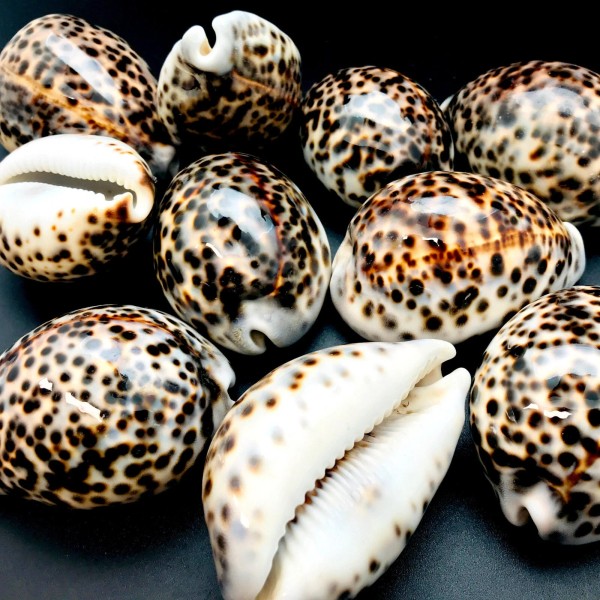
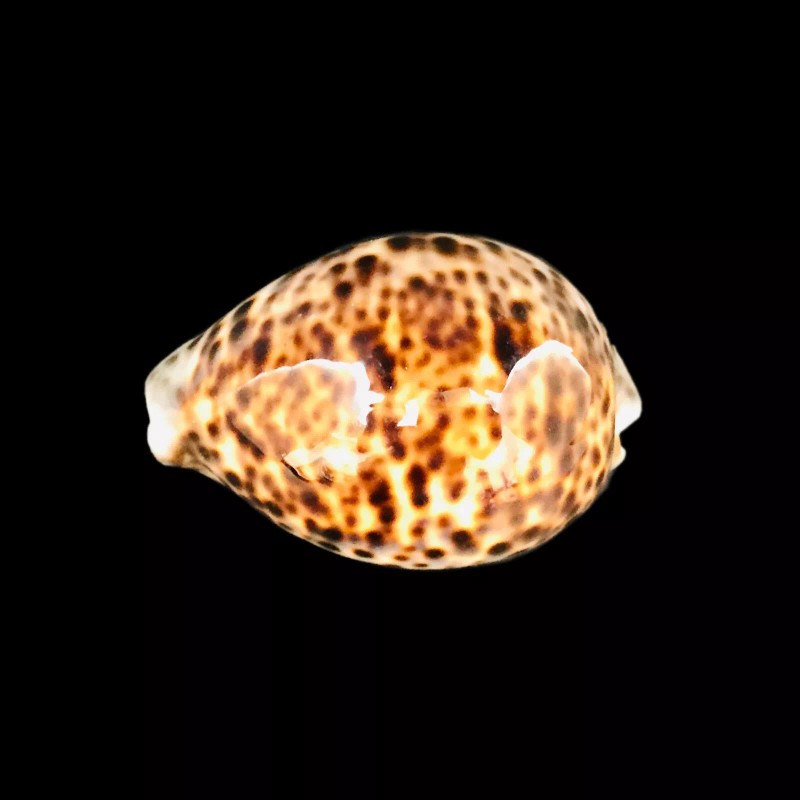
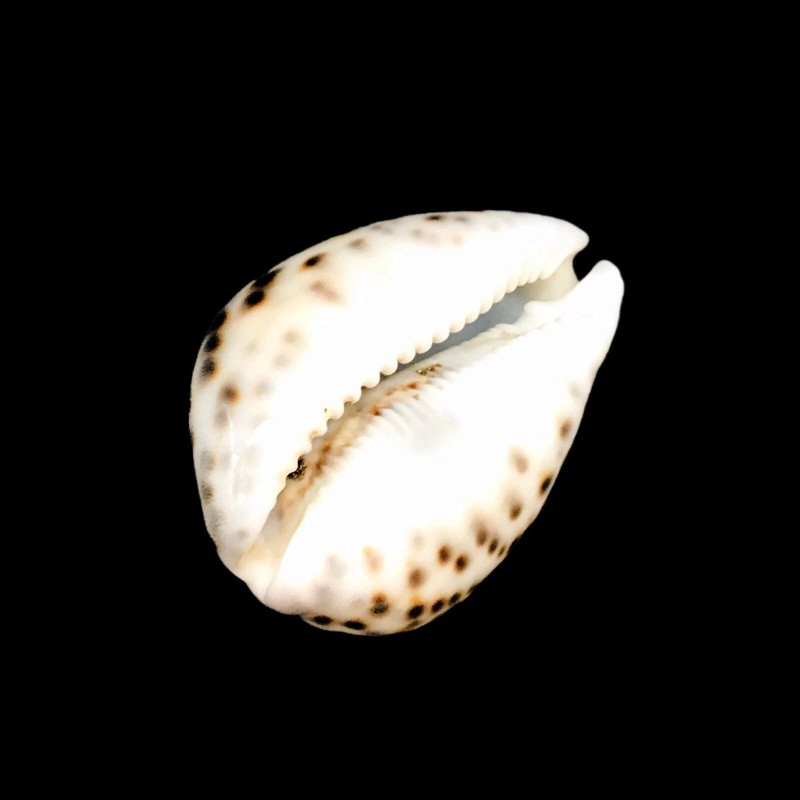
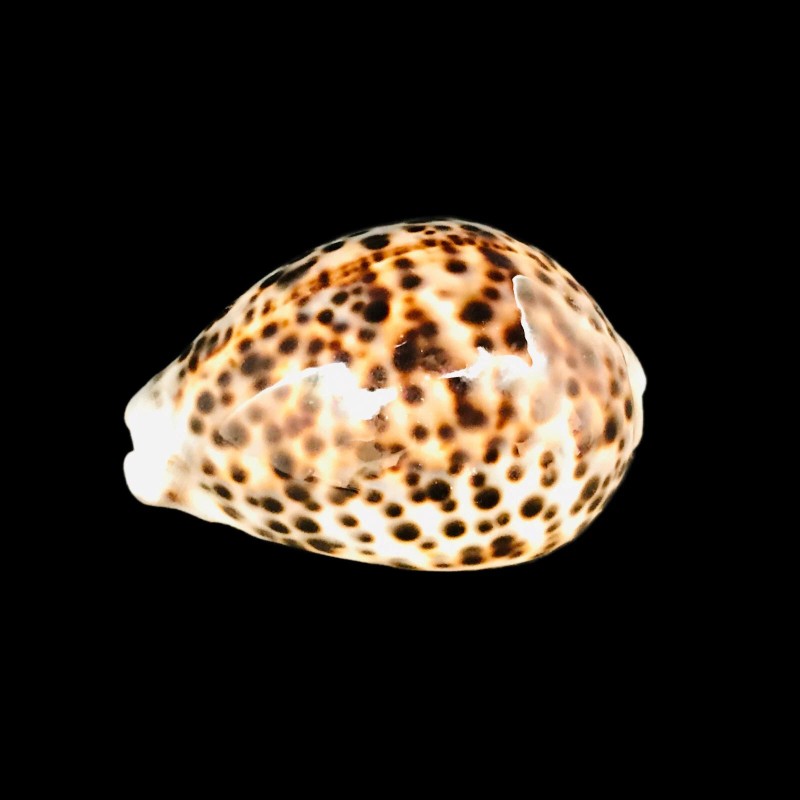


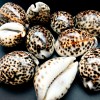
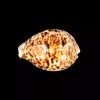
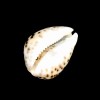
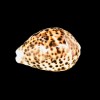
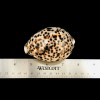
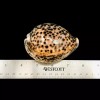
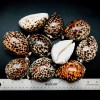

Polished Tiger Cowrie Sea Shell Premium Quality Rare Unique Sea Shell
$68.80
- Free US shipping
-
Arrives
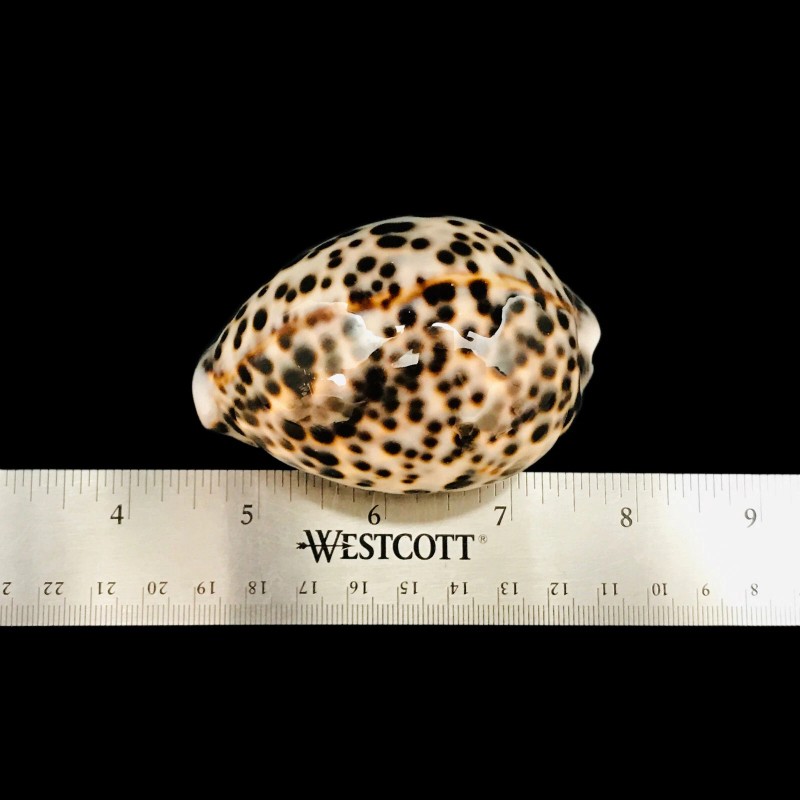
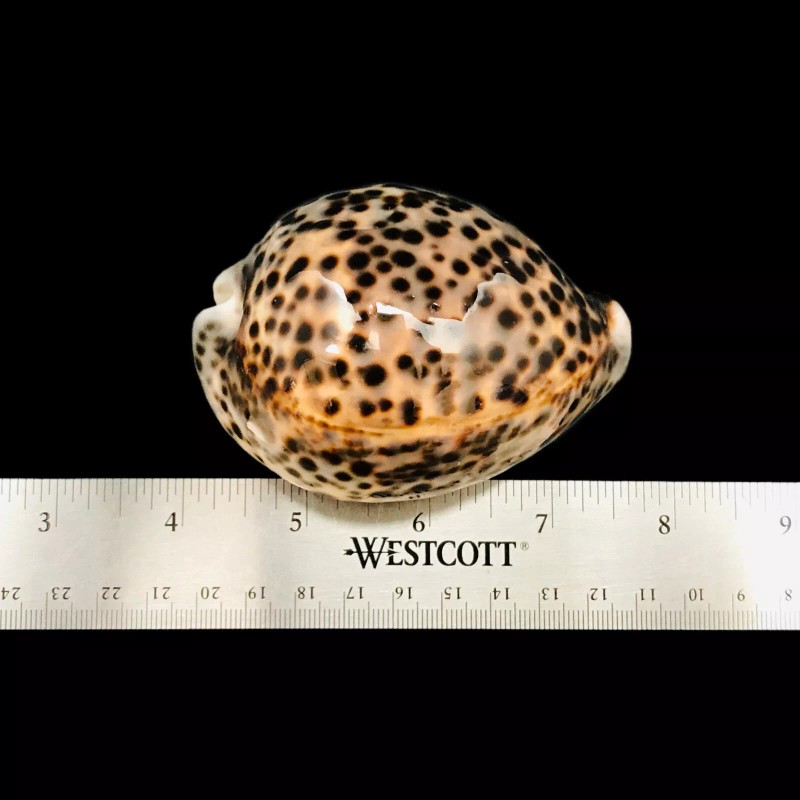
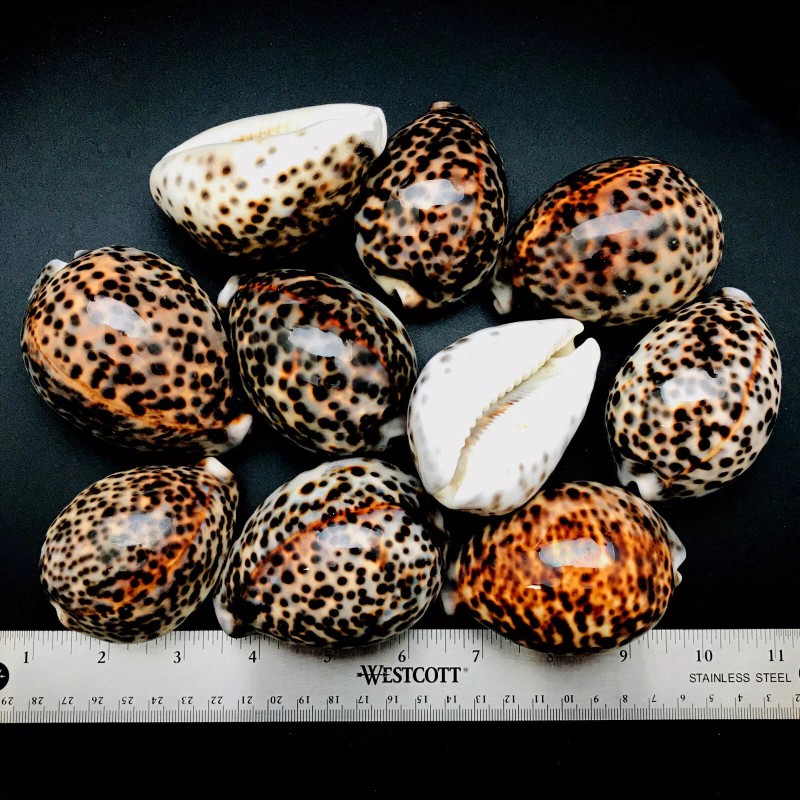
These gorgeous natural polished Tiger Cowrie sea shells are about 3" inches wide.
Natural polished Tiger Cowrie shells are very beautiful and highly sought after by collectors.
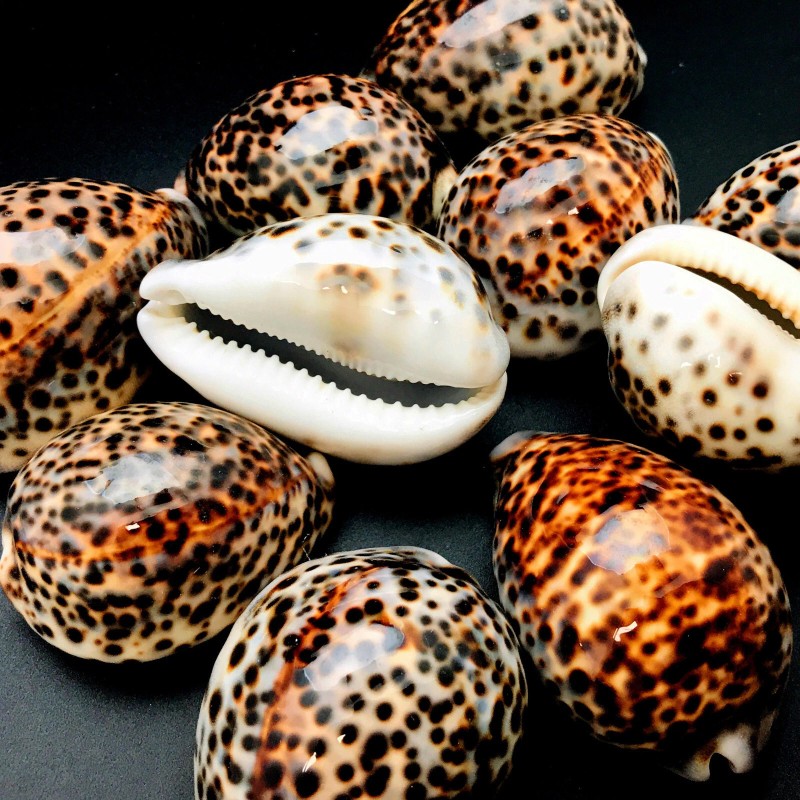
You will receive a randomly selected cowrie sea shell from our available inventory, see photos for an accurate example of the quality, size and colour.
Asking price is very low for a very rare and delicate natural wonder from the ocean.
This is an amazing find from our desert outpost!
ENJOY FREE SHIPPING FOR USA CUSTOMERS!
ASK ABOUT COMBINED SHIPPING DISCOUNTS FOR INTERNATIONAL ORDERS!
ABOUT THE TIGER COWRIE:
Cowrie or cowry (plural cowries) is the common name for a group of small to large sea snails, marine gastropod mollusks in the family Cypraeidae, the cowries.
The term porcelain derives from the old Italian term for the cowrie shell (porcellana) due to their similar appearance. Shells of certain species have historically been used as currency in several parts of the world, as well as being used, in the past and present, very extensively in jewelry, and for other decorative and ceremonial purposes.
The cowrie was the shell most widely used worldwide as shell money. It is most abundant in the Indian Ocean, and was collected in the Maldive Islands, in Sri Lanka, along the Malabar coast, in Borneo and on other East Indian islands, and in various parts of the African coast from Ras Hafun to Mozambique. Cowrie shell money was important in the trade networks of Africa, South Asia, and East Asia.
Some species in the family Ovulidae are also often referred to as cowries. In the British Isles the local Trivia species (family Triviidae, species Trivia monacha and Trivia arctica) are sometimes called cowries. The Ovulidae and the Triviidae are somewhat closely related to Cypraeidae.
The word cowrie comes from Hindi कौडि (kaudi), Marathi कवडी (kavadī) or Kannada ಕವಡೆ (kavade) and ultimately from Sanskrit कपर्द (kaparda).
The shells of cowries are usually smooth and shiny and more or less egg-shaped, with a flat under surface which shows a long, narrow, slit-like opening (aperture), which is often toothed at the edges. The narrower end of the egg-shaped cowrie shell is the anterior end. The spire of the shell is not visible in the adult shell of most species, but is visible in juveniles, which have a different shape from the adults.
Nearly all cowries have a porcelain-like shine, with some exceptions such as Hawaii's granulated cowrie, Nucleolaria granulata. Many have colorful patterns. Lengths range from 5 mm for some species up to 19 cm for the Atlantic deer cowrie, Macrocypraea cervus.
Cowrie shells, especially Monetaria moneta, were used for centuries as currency in some parts of Africa. After the 1500s, however, it became even more common. Western nations, chiefly through the slave trade, introduced huge numbers of Maldivian cowries in Africa. The Ghanaian unit of currency known as the Ghanaian cedi was named after cowrie shells. Starting over three thousand years ago, cowrie shells, or copies of the shells, were used as Chinese currency. They were also used as means of exchange in India.
The Classical Chinese character for money (貝) originated as a stylized drawing of a Maldivian cowrie shell. Words and characters concerning money, property or wealth usually have this as a radical. Before the Spring and Autumn period the cowrie was used as a type of trade token awarding access to a feudal lord's resources to a worthy vassal.
The Ojibway aboriginal people in North America use cowrie shells which are called sacred Miigis Shells or whiteshells in Midewiwin ceremonies, and the Whiteshell Provincial Park in Manitoba, Canada is named after this type of shell. There is some debate about how the Ojibway traded for or found these shells, so far inland and so far north, very distant from the natural habitat. Oral stories and birch bark scrolls seem to indicate that the shells were found in the ground, or washed up on the shores of lakes or rivers. Finding the cowrie shells so far inland could indicate the previous use of them by an earlier tribe or group in the area, who may have obtained them through an extensive trade network in the ancient past.
Cowrie shells are also worn as jewelry or otherwise used as ornaments or charms. They are viewed as symbols of womanhood, fertility, birth and wealth. Its underside is supposed, by one modern ethnographic author, to represent a vulva or an eye.
Cowrie shells are sometimes used in a way similar to dice, e.g., in board games like Pachisi, Ashta Chamma or in divination. A number of shells (6 or 7 in Pachisi) are thrown, with those landing aperture upwards indicating the actual number rolled.
In Nepal cowries are used for a gambling game, where 16 pieces of cowries are tossed by four different bettors (and sub-bettors under them). This game is usually played at homes and in public during the Hindu festival of Tihar or Deepawali. In the same festival these shells are also worshiped as a symbol of Goddess Lakshmi and wealth.
Cowrie shells were among the devices used for divination by the Kaniyar Panicker astrologers of Kerala, India.
On the Fiji Islands, a shell of the golden cowrie or bulikula, Cypraea aurantium, was drilled at the ends and worn on a string around the neck by chieftains as a badge of rank. The women of Tuvalu use cowrie and other shells in traditional handicrafts.
Large cowrie shells such as that of a Cypraea tigris have been used in Europe in the recent past as a darning egg over which sock heels were stretched. The cowrie's smooth surface allows the needle to be positioned under the cloth more easily.
In Brazil, as a result of the Atlantic slave trade from Africa, cowrie shells (called búzios) are also played as used to consult the Orixás divinities and hear their replies.
In certain parts of Africa, cowries were prized charms, and they were said to be associated with fecundity, sexual pleasure and good luck.
- Free 30-Day Returns
- Full Refund for Damaged or Incorrect Items
- Guaranteed Delivery or Money Back
- Secure Checkout & Fast Support

These gorgeous natural polished Tiger Cowrie sea shells are about 3" inches wide.
Natural polished Tiger Cowrie shells are very beautiful and highly sought after by collectors.
You will receive a randomly selected cowrie sea shell from our available inventory, see photos for an accurate example of the quality, size and colour.
Asking price is very low for a very rare and delicate natural wonder from the ocean.
This is an amazing find from our desert outpost!
ENJOY FREE SHIPPING FOR USA CUSTOMERS!
ASK ABOUT COMBINED SHIPPING DISCOUNTS FOR INTERNATIONAL ORDERS!
ABOUT THE TIGER COWRIE:
Cowrie or cowry (plural cowries) is the common name for a group of small to large sea snails, marine gastropod mollusks in the family Cypraeidae, the cowries.
The term porcelain derives from the old Italian term for the cowrie shell (porcellana) due to their similar appearance. Shells of certain species have historically been used as currency in several parts of the world, as well as being used, in the past and present, very extensively in jewelry, and for other decorative and ceremonial purposes.
The cowrie was the shell most widely used worldwide as shell money. It is most abundant in the Indian Ocean, and was collected in the Maldive Islands, in Sri Lanka, along the Malabar coast, in Borneo and on other East Indian islands, and in various parts of the African coast from Ras Hafun to Mozambique. Cowrie shell money was important in the trade networks of Africa, South Asia, and East Asia.
Some species in the family Ovulidae are also often referred to as cowries. In the British Isles the local Trivia species (family Triviidae, species Trivia monacha and Trivia arctica) are sometimes called cowries. The Ovulidae and the Triviidae are somewhat closely related to Cypraeidae.
The word cowrie comes from Hindi कौडि (kaudi), Marathi कवडी (kavadī) or Kannada ಕವಡೆ (kavade) and ultimately from Sanskrit कपर्द (kaparda).
The shells of cowries are usually smooth and shiny and more or less egg-shaped, with a flat under surface which shows a long, narrow, slit-like opening (aperture), which is often toothed at the edges. The narrower end of the egg-shaped cowrie shell is the anterior end. The spire of the shell is not visible in the adult shell of most species, but is visible in juveniles, which have a different shape from the adults.
Nearly all cowries have a porcelain-like shine, with some exceptions such as Hawaii's granulated cowrie, Nucleolaria granulata. Many have colorful patterns. Lengths range from 5 mm for some species up to 19 cm for the Atlantic deer cowrie, Macrocypraea cervus.
Cowrie shells, especially Monetaria moneta, were used for centuries as currency in some parts of Africa. After the 1500s, however, it became even more common. Western nations, chiefly through the slave trade, introduced huge numbers of Maldivian cowries in Africa. The Ghanaian unit of currency known as the Ghanaian cedi was named after cowrie shells. Starting over three thousand years ago, cowrie shells, or copies of the shells, were used as Chinese currency. They were also used as means of exchange in India.
The Classical Chinese character for money (貝) originated as a stylized drawing of a Maldivian cowrie shell. Words and characters concerning money, property or wealth usually have this as a radical. Before the Spring and Autumn period the cowrie was used as a type of trade token awarding access to a feudal lord's resources to a worthy vassal.
The Ojibway aboriginal people in North America use cowrie shells which are called sacred Miigis Shells or whiteshells in Midewiwin ceremonies, and the Whiteshell Provincial Park in Manitoba, Canada is named after this type of shell. There is some debate about how the Ojibway traded for or found these shells, so far inland and so far north, very distant from the natural habitat. Oral stories and birch bark scrolls seem to indicate that the shells were found in the ground, or washed up on the shores of lakes or rivers. Finding the cowrie shells so far inland could indicate the previous use of them by an earlier tribe or group in the area, who may have obtained them through an extensive trade network in the ancient past.
Cowrie shells are also worn as jewelry or otherwise used as ornaments or charms. They are viewed as symbols of womanhood, fertility, birth and wealth. Its underside is supposed, by one modern ethnographic author, to represent a vulva or an eye.
Cowrie shells are sometimes used in a way similar to dice, e.g., in board games like Pachisi, Ashta Chamma or in divination. A number of shells (6 or 7 in Pachisi) are thrown, with those landing aperture upwards indicating the actual number rolled.
In Nepal cowries are used for a gambling game, where 16 pieces of cowries are tossed by four different bettors (and sub-bettors under them). This game is usually played at homes and in public during the Hindu festival of Tihar or Deepawali. In the same festival these shells are also worshiped as a symbol of Goddess Lakshmi and wealth.
Cowrie shells were among the devices used for divination by the Kaniyar Panicker astrologers of Kerala, India.
On the Fiji Islands, a shell of the golden cowrie or bulikula, Cypraea aurantium, was drilled at the ends and worn on a string around the neck by chieftains as a badge of rank. The women of Tuvalu use cowrie and other shells in traditional handicrafts.
Large cowrie shells such as that of a Cypraea tigris have been used in Europe in the recent past as a darning egg over which sock heels were stretched. The cowrie's smooth surface allows the needle to be positioned under the cloth more easily.
In Brazil, as a result of the Atlantic slave trade from Africa, cowrie shells (called búzios) are also played as used to consult the Orixás divinities and hear their replies.
In certain parts of Africa, cowries were prized charms, and they were said to be associated with fecundity, sexual pleasure and good luck.
These gorgeous natural polished Tiger Cowrie sea shells are about 3" inches wide.
Natural polished Tiger Cowrie shells are very beautiful and highly sought after by collectors.
You will receive a randomly selected cowrie sea shell from our available inventory, see photos for an accurate example of the quality, size and colour.
Asking price is very low for a very rare and delicate natural wonder from the ocean.
This is an amazing find from our desert outpost!
ENJOY FREE SHIPPING FOR USA CUSTOMERS!
ASK ABOUT COMBINED SHIPPING DISCOUNTS FOR INTERNATIONAL ORDERS!
ABOUT THE TIGER COWRIE:
Cowrie or cowry (plural cowries) is the common name for a group of small to large sea snails, marine gastropod mollusks in the family Cypraeidae, the cowries.
The term porcelain derives from the old Italian term for the cowrie shell (porcellana) due to their similar appearance. Shells of certain species have historically been used as currency in several parts of the world, as well as being used, in the past and present, very extensively in jewelry, and for other decorative and ceremonial purposes.
The cowrie was the shell most widely used worldwide as shell money. It is most abundant in the Indian Ocean, and was collected in the Maldive Islands, in Sri Lanka, along the Malabar coast, in Borneo and on other East Indian islands, and in various parts of the African coast from Ras Hafun to Mozambique. Cowrie shell money was important in the trade networks of Africa, South Asia, and East Asia.
Some species in the family Ovulidae are also often referred to as cowries. In the British Isles the local Trivia species (family Triviidae, species Trivia monacha and Trivia arctica) are sometimes called cowries. The Ovulidae and the Triviidae are somewhat closely related to Cypraeidae.
The word cowrie comes from Hindi कौडि (kaudi), Marathi कवडी (kavadī) or Kannada ಕವಡೆ (kavade) and ultimately from Sanskrit कपर्द (kaparda).
The shells of cowries are usually smooth and shiny and more or less egg-shaped, with a flat under surface which shows a long, narrow, slit-like opening (aperture), which is often toothed at the edges. The narrower end of the egg-shaped cowrie shell is the anterior end. The spire of the shell is not visible in the adult shell of most species, but is visible in juveniles, which have a different shape from the adults.
Nearly all cowries have a porcelain-like shine, with some exceptions such as Hawaii's granulated cowrie, Nucleolaria granulata. Many have colorful patterns. Lengths range from 5 mm for some species up to 19 cm for the Atlantic deer cowrie, Macrocypraea cervus.
Cowrie shells, especially Monetaria moneta, were used for centuries as currency in some parts of Africa. After the 1500s, however, it became even more common. Western nations, chiefly through the slave trade, introduced huge numbers of Maldivian cowries in Africa. The Ghanaian unit of currency known as the Ghanaian cedi was named after cowrie shells. Starting over three thousand years ago, cowrie shells, or copies of the shells, were used as Chinese currency. They were also used as means of exchange in India.
The Classical Chinese character for money (貝) originated as a stylized drawing of a Maldivian cowrie shell. Words and characters concerning money, property or wealth usually have this as a radical. Before the Spring and Autumn period the cowrie was used as a type of trade token awarding access to a feudal lord's resources to a worthy vassal.
The Ojibway aboriginal people in North America use cowrie shells which are called sacred Miigis Shells or whiteshells in Midewiwin ceremonies, and the Whiteshell Provincial Park in Manitoba, Canada is named after this type of shell. There is some debate about how the Ojibway traded for or found these shells, so far inland and so far north, very distant from the natural habitat. Oral stories and birch bark scrolls seem to indicate that the shells were found in the ground, or washed up on the shores of lakes or rivers. Finding the cowrie shells so far inland could indicate the previous use of them by an earlier tribe or group in the area, who may have obtained them through an extensive trade network in the ancient past.
Cowrie shells are also worn as jewelry or otherwise used as ornaments or charms. They are viewed as symbols of womanhood, fertility, birth and wealth. Its underside is supposed, by one modern ethnographic author, to represent a vulva or an eye.
Cowrie shells are sometimes used in a way similar to dice, e.g., in board games like Pachisi, Ashta Chamma or in divination. A number of shells (6 or 7 in Pachisi) are thrown, with those landing aperture upwards indicating the actual number rolled.
In Nepal cowries are used for a gambling game, where 16 pieces of cowries are tossed by four different bettors (and sub-bettors under them). This game is usually played at homes and in public during the Hindu festival of Tihar or Deepawali. In the same festival these shells are also worshiped as a symbol of Goddess Lakshmi and wealth.
Cowrie shells were among the devices used for divination by the Kaniyar Panicker astrologers of Kerala, India.
On the Fiji Islands, a shell of the golden cowrie or bulikula, Cypraea aurantium, was drilled at the ends and worn on a string around the neck by chieftains as a badge of rank. The women of Tuvalu use cowrie and other shells in traditional handicrafts.
Large cowrie shells such as that of a Cypraea tigris have been used in Europe in the recent past as a darning egg over which sock heels were stretched. The cowrie's smooth surface allows the needle to be positioned under the cloth more easily.
In Brazil, as a result of the Atlantic slave trade from Africa, cowrie shells (called búzios) are also played as used to consult the Orixás divinities and hear their replies.
In certain parts of Africa, cowries were prized charms, and they were said to be associated with fecundity, sexual pleasure and good luck.
- Country/Region of Manufacture: Unknown
Processing Time
- We process and ship orders Monday through Friday, excluding holidays.
- Most orders are processed within 1–3 business days, depending on product availability.
- Processing time does not include delivery time, which varies based on your location and the product’s shipping origin.
Shipping Coverage
We currently ship to addresses within the United States only.
Products may ship from:
- Our U.S. warehouses, or
- Our international fulfillment centers (including Korea, Japan, China, Australia, Mexico, Canada, the United Kingdom, and the EU).
Each product page clearly displays the “Ships From” location before checkout.
Shipping Methods & Estimated Delivery
| Shipping Method | Estimated Delivery | Cost |
|---|---|---|
| Free Shipping (US) | 5–10 business days | Free, available on eligible items |
| Standard Shipping (US to US by Item) | 5–10 business days | $5.95 for the first item, $3.00 each additional |
| Standard Shipping (From US Warehouse by Weight) | 3–7 business days | Starts at $5.95, increasing by $2 for every additional 4 oz (0.25 lb) up to 1 lb, then by $4 for each additional pound beyond 1 lb. |
| Extended Delivery (Ships from Overseas Warehouse) | 10–20 business days | $14.50 for the first item, $2.00 each additional |
Shipping costs vary by product weight, quantity and origin. Exact rates and delivery estimates are displayed on each product page and confirmed during checkout.
Free Shipping
We offer free standard shipping on select products or during promotional periods. Availability of free shipping will be displayed on the product page and at checkout.
Carriers
We primarily use USPS and UPS for U.S. deliveries. Items shipped from international warehouses may be handled by partner carriers depending on the country of origin.
Import Duties & Taxes
All import duties and taxes for goods imported into the United States are included in the product price. There are no hidden fees or additional charges at checkout.
Tracking & Notifications
Every order is fully trackable. You will receive a tracking number via email once your order ships. If your order ships in multiple packages, each package will have its own tracking number. If you don’t receive a shipping confirmation immediately, your order is still being processed and will arrive within the estimated timeframe shown at checkout.
You can track your shipment anytime using the Track Your Order page on our website.
Order Changes & Cancellations
If you need to modify or cancel an order, please contact our customer support team as soon as possible. Orders can only be canceled before they ship. Once shipped, cancellations are not possible, but you may request a return after the item is delivered.
Contact: support@ibspot.com
Item Not Received
If your tracking number shows “Delivered” but you haven’t received your package:
- Check with your local USPS or UPS office.
- Confirm that the shipping address provided was correct.
- If the issue remains unresolved, contact support@ibspot.com for assistance.
Damaged or Lost Parcels
If your package arrives damaged or fails to arrive, please contact us immediately. For deliveries to P.O. boxes, ibspot is not responsible for damage caused by weather, temperature, or theft.
Customer Support
For any questions about shipping, tracking, or delivery, our customer support team is here to help.
Email: support@ibspot.com
We’re always happy to help.
Please read our policy carefully before making a purchase.
We aim to ensure every customer has a smooth and transparent experience with ibspot.com.
Order Cancellation Policy
Customers may request to cancel an order before it has been shipped.
Once the package has been shipped, cancellations are no longer possible; however, you may still request a return after receiving your order.
How to Request a Cancellation
You can contact us through:
- Email: support@ibspot.com
- Contact Form: Submit a request through our Contact Us page
Please submit your cancellation request as soon as possible after placing the order to allow us to process it before shipment.
Return Policy
We accept returns for most items within 30 days of delivery for a full refund.
To be eligible for a return:
- The item must be unused, in the same condition as received, and in its original packaging.
- A tracking number must be provided to confirm the return shipment.
Non-Returnable Items
Certain products cannot be returned, including:
- Perishable goods (for example, food, flowers, newspapers, magazines)
- Intimate or sanitary goods
- Hazardous materials or flammable liquids/gases
- Gift cards
- Downloadable software
- Some health and personal care items
Partial Refunds (If Applicable)
Partial refunds may be granted in specific situations, such as:
- Books with obvious signs of use
- Opened CDs, DVDs, software, or vinyl records
- Items not in their original condition, damaged, or missing parts not due to our error
- Items returned more than 30 days after delivery
How to Return an Item
To initiate a return, please contact us at support@ibspot.com with your order number and details about the product you wish to return.
Our team will provide you with return instructions and a prepaid return label.
Shipping Cost for Returns
Please contact us before returning any item.
We will provide a free return shipping label.
If a return is sent back without prior contact or without our provided label, we cannot be held responsible for return shipping costs.
For items valued over $75, we recommend using a trackable shipping service or purchasing shipping insurance.
We cannot guarantee that we will receive your returned item if shipped independently.
Refund Processing
Once your return is received and inspected:
- In-store returns are refunded to the original form of payment or issued as a gift card.
- Mail-in returns using our prepaid label are refunded to the original payment method within 3–5 business days after we receive your return.
Please allow:
- 5–7 business days for the return to reach our Returns Center.
- An additional 3–10 business days for your bank to post the refund to your account.
Damages, Issues & Claims
Please inspect your order immediately upon receipt.
If you receive a defective, damaged, or incorrect item, contact us right away at support@ibspot.com.
We’ll evaluate the issue promptly and make it right.
Product Claims
Before purchasing, please review product details carefully.
If there is a problem with your order upon arrival, visit our Support Center or contact us directly to arrange return shipping or replacement.
Exchanges
We do not process direct exchanges.
The fastest way to get what you need is to return the original item and place a new order once your return is accepted.
Return Address
IBSPOT Return Center
15 Sawmill Ln
Dover Plains, NY 12522
United States
Customer Support
Our support team is available 24/7 to assist with cancellations, returns, or general inquiries.
Email: support@ibspot.com
Contact Form: Contact Us page
Oops!
Sorry, it looks like some products are not available in selected quantity.