

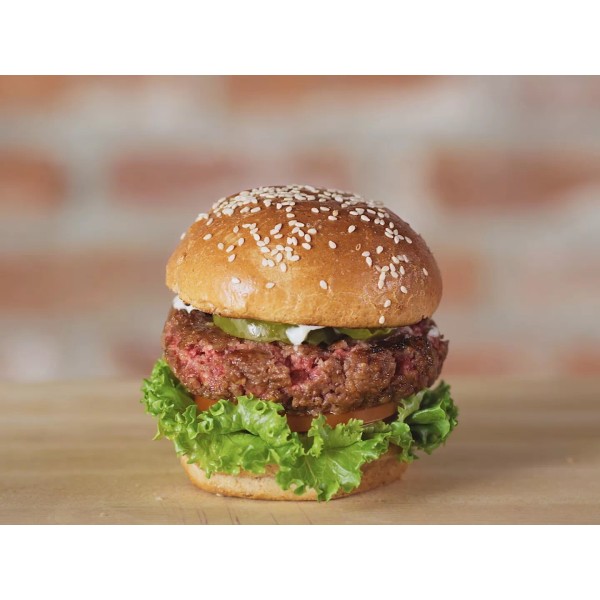
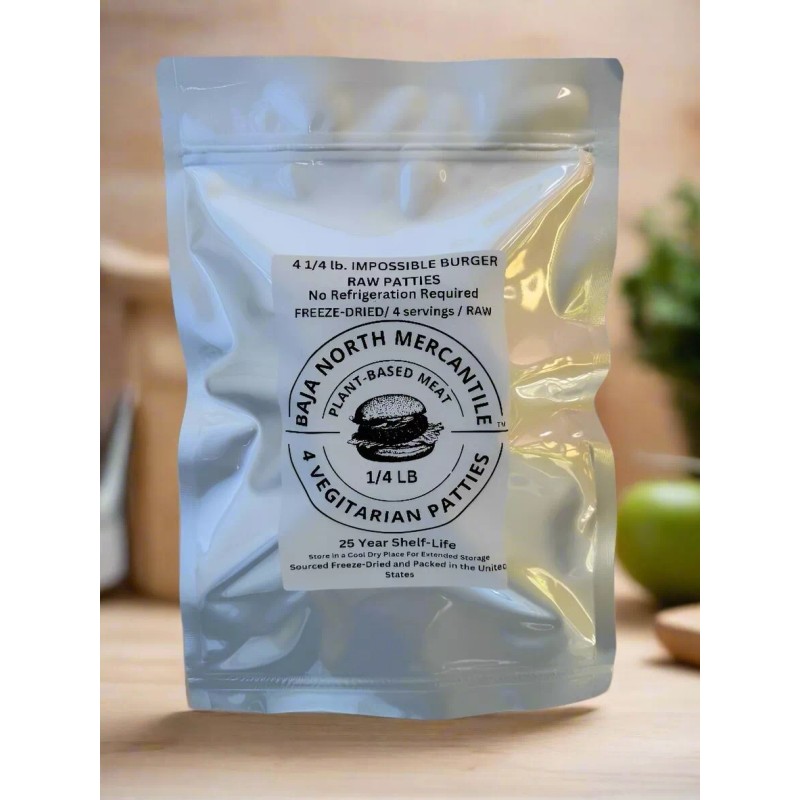
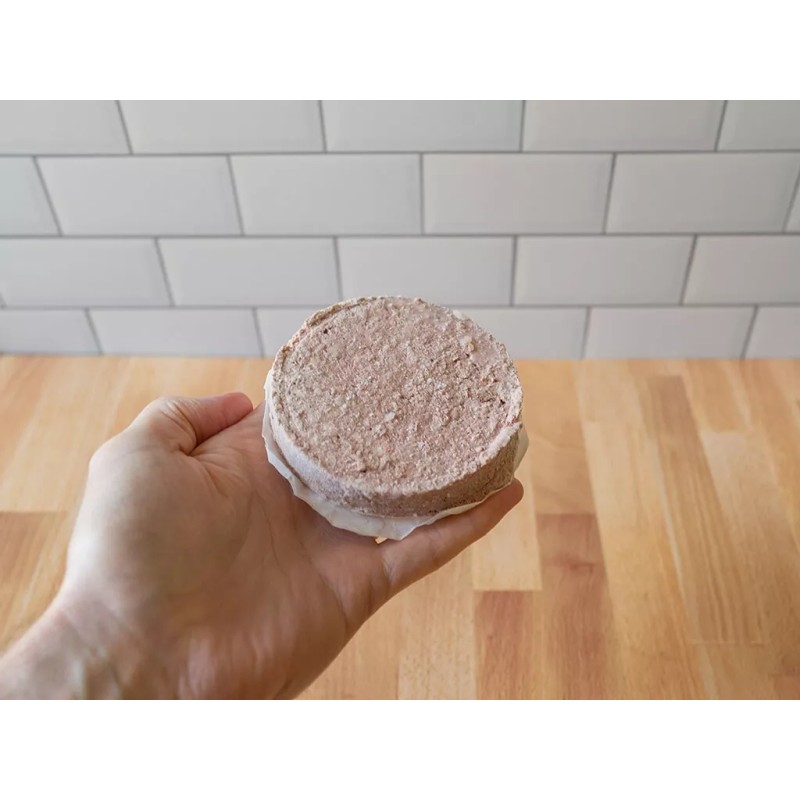
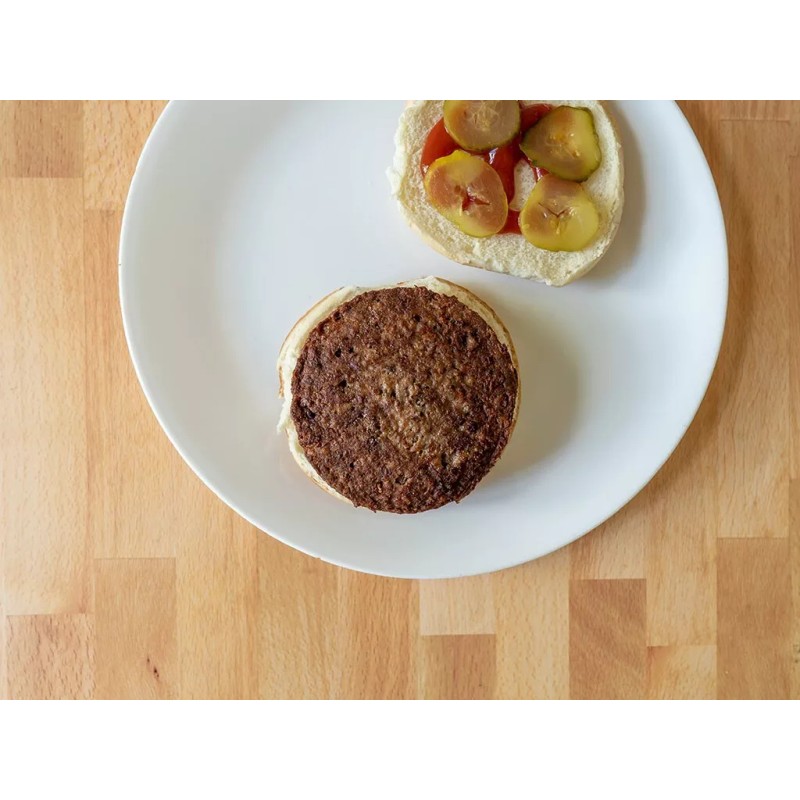



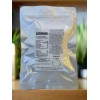
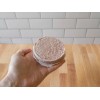
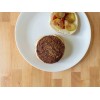
Baja North Mercantile Freeze-Dried Impossible™ Plant Based patties for Vegan Campers, Emerg. Prep. USA
$71.79
- Free US shipping
-
Arrives
The preservation of food through oxygen removal is one of the most effective methods to extend shelf life, especially for long-term storage. The key to protecting food from oxygen, light, and other environmental factors lies in the combination of oxygen-barrier containers and oxygen absorbers, both of which help create an optimal environment for food storage. Here's a breakdown of how these methods work and how long they can protect your food:
The Container: Protecting Against Oxygen
Oxygen is one of the primary causes of food spoilage. It promotes oxidation, which leads to the deterioration of food quality (think of an apple turning brown or iron rusting). It also provides a medium for the growth of mold, bacteria, and insects. To prevent this, the choice of storage container is critical:
Glass and Metal Containers: These are the best barriers to oxygen. Glass, especially Mason jars, have zero oxygen transmission, meaning they can protect your food indefinitely if sealed properly. Similarly, metal containers (like cans) can also block oxygen when sealed correctly. However, the seal must be intact, as any crack or break in the container will allow oxygen to enter.
Mylar Bags: These are often used for long-term food storage because they have excellent oxygen barrier properties. Mylar bags are made from polyester that’s been metalized, giving them a low Oxygen Transmission Rate (OTR). Depending on the quality of the metalization, Mylar bags can keep oxygen out for 25 years or more. High-quality options, like Century Mylar bags, can offer protection for up to 100 years.
Plastic Bags: While plastics like PETE or HDPE are good options for medium-term storage, they are not as effective as glass or metal. They have a measurable Oxygen Transmission Rate (OTR), which means oxygen will eventually seep through over time. However, thicker plastics (15 microns or more) can still be effective for certain storage periods.
The Oxygen Absorber: Enhancing Long-Term Storage
While the container helps block oxygen, oxygen absorbers are the critical tool that actively removes any oxygen inside the container, ensuring that the environment remains as oxygen-free as possible. Oxygen absorbers are small packets that contain substances that chemically react with and absorb the oxygen inside the container.
How They Work: Once you seal your food in a container, the oxygen absorber will continue to absorb any residual oxygen inside, keeping the food in an anoxic (oxygen-free) environment. These absorbers don’t "expire" or lose effectiveness until they have absorbed their full capacity of oxygen. Therefore, if stored properly, they can last for many years and continue to protect the food until the absorber is full.
Capacity: The size of the oxygen absorber should correspond to the volume of the container. A larger absorber will continue to remove oxygen for a longer time, even as air slowly seeps into the container. This is why using the right size oxygen absorber is critical for maintaining the anoxic environment.
Light and Temperature: Additional Considerations
While oxygen is the main factor that impacts food quality, light can also affect the integrity of stored food over time. Light doesn’t contaminate food, but it can cause molecular breakdown, which may lead to degradation of flavor, color, and nutritional content.
Light Exposure: In general, light will not spoil food, but it can affect its quality, especially for sensitive items like dehydrated fruits, grains, and some proteins. It’s ideal to store food in a dark, cool place to minimize the impact of light. Using Mylar bags or opaque containers helps block light from reaching the food.
Temperature: The cooler the storage environment, the longer the food will last. Extreme heat can speed up the degradation process, even with oxygen barriers in place. Aim to store food in a cool, dry place with a consistent temperature, ideally between 50°F-70°F (10°C-21°C).
How Long Will This Protection Last?
With the right combination of containers and oxygen absorbers, food can be protected for decades or even longer:
- Mylar Bags with Oxygen Absorbers: When properly sealed, these can protect food for 25-100 years, depending on the quality of the Mylar and the oxygen absorber used.
- Glass Jars (e.g., Mason Jars): If properly sealed with a vacuum or airtight lid, glass jars can keep food safe indefinitely, as they are a perfect barrier to oxygen.
- Plastic Containers: These will protect food for a few years but are not ideal for long-term storage. The OTR of plastic is higher, meaning that oxygen can eventually penetrate the container and cause food degradation.
Food Rotation and Best Practices
Even with high-quality packaging, food rotation is a good practice. It ensures that the food you store remains fresh and usable, and it prevents you from holding onto items that may have reached the end of their shelf life. A good rule of thumb is to rotate your food supplies annually by consuming the stored food and replacing it with fresh stock. This will help maintain the quality and nutritional value of your long-term food storage.
Conclusion
In summary, using Mylar bags with oxygen absorbers offers exceptional long-term food storage protection, with the potential to last for decades or even a century. Glass containers provide airtight sealing and can store food indefinitely if the seal is intact. However, oxygen is the primary enemy of food, and with the right oxygen-barrier container and absorber, food can remain safe, fresh, and nutritious for years. Make sure to store in a cool, dark place and rotate your stock periodically for best results.
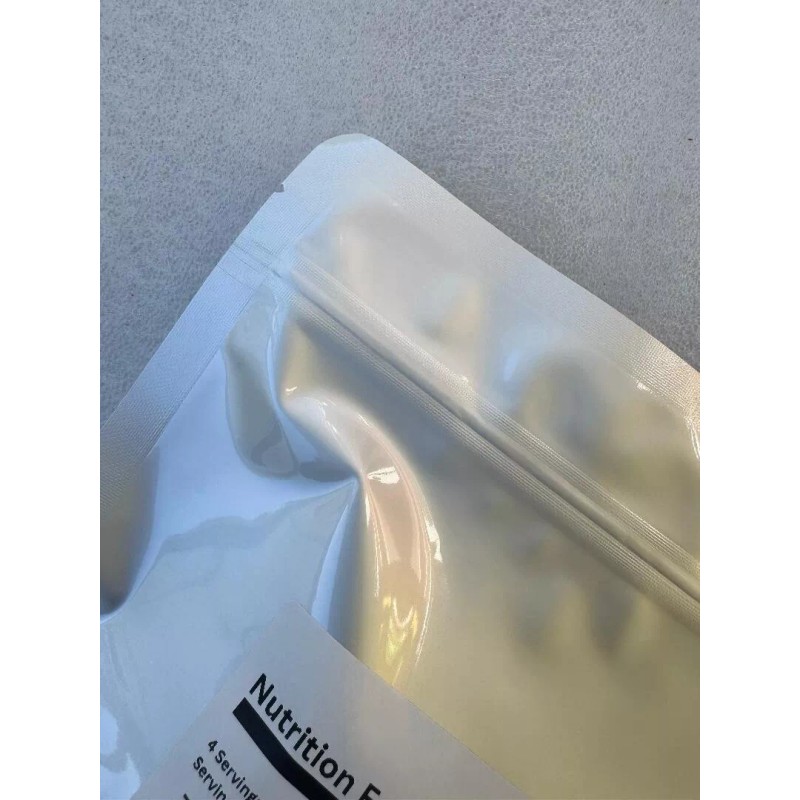
- In self sealing bag. Open, consume a portion, then reseal with desiccant and oxygen absorber inside. Will stay fresh for 6 months if sealed tightly. Not mass produced. Made in America with pride!
- Produced in small batches to preserve quality. Not sitting around on Factory Floor/Table sucking up moisture and oxygen. It is Immediately vacuum packed Within a few minutes after drying.
- High Quality Robust Vacuum-Packed Packaging Geared toward Prepper Community, Campers and Back Packers. This will last! Great Care is taken during the production process.
- Solar is used to power production decreasing carbon foot print. If you do not like our product then send us an E-mail. We will return your money! No questions asked.
- All Packaging MADE IN USA and we do not use clear/see through bags like some of our competitors prone to failure
- Sourced and packaged in San Diego County.
- Rest assured, Nothing Chinese in this product.
- Free 30-Day Returns
- Full Refund for Damaged or Incorrect Items
- Guaranteed Delivery or Money Back
- Secure Checkout & Fast Support

The preservation of food through oxygen removal is one of the most effective methods to extend shelf life, especially for long-term storage. The key to protecting food from oxygen, light, and other environmental factors lies in the combination of oxygen-barrier containers and oxygen absorbers, both of which help create an optimal environment for food storage. Here's a breakdown of how these methods work and how long they can protect your food:
The Container: Protecting Against Oxygen
Oxygen is one of the primary causes of food spoilage. It promotes oxidation, which leads to the deterioration of food quality (think of an apple turning brown or iron rusting). It also provides a medium for the growth of mold, bacteria, and insects. To prevent this, the choice of storage container is critical:
Glass and Metal Containers: These are the best barriers to oxygen. Glass, especially Mason jars, have zero oxygen transmission, meaning they can protect your food indefinitely if sealed properly. Similarly, metal containers (like cans) can also block oxygen when sealed correctly. However, the seal must be intact, as any crack or break in the container will allow oxygen to enter.
Mylar Bags: These are often used for long-term food storage because they have excellent oxygen barrier properties. Mylar bags are made from polyester that’s been metalized, giving them a low Oxygen Transmission Rate (OTR). Depending on the quality of the metalization, Mylar bags can keep oxygen out for 25 years or more. High-quality options, like Century Mylar bags, can offer protection for up to 100 years.
Plastic Bags: While plastics like PETE or HDPE are good options for medium-term storage, they are not as effective as glass or metal. They have a measurable Oxygen Transmission Rate (OTR), which means oxygen will eventually seep through over time. However, thicker plastics (15 microns or more) can still be effective for certain storage periods.
The Oxygen Absorber: Enhancing Long-Term Storage
While the container helps block oxygen, oxygen absorbers are the critical tool that actively removes any oxygen inside the container, ensuring that the environment remains as oxygen-free as possible. Oxygen absorbers are small packets that contain substances that chemically react with and absorb the oxygen inside the container.
How They Work: Once you seal your food in a container, the oxygen absorber will continue to absorb any residual oxygen inside, keeping the food in an anoxic (oxygen-free) environment. These absorbers don’t "expire" or lose effectiveness until they have absorbed their full capacity of oxygen. Therefore, if stored properly, they can last for many years and continue to protect the food until the absorber is full.
Capacity: The size of the oxygen absorber should correspond to the volume of the container. A larger absorber will continue to remove oxygen for a longer time, even as air slowly seeps into the container. This is why using the right size oxygen absorber is critical for maintaining the anoxic environment.
Light and Temperature: Additional Considerations
While oxygen is the main factor that impacts food quality, light can also affect the integrity of stored food over time. Light doesn’t contaminate food, but it can cause molecular breakdown, which may lead to degradation of flavor, color, and nutritional content.
Light Exposure: In general, light will not spoil food, but it can affect its quality, especially for sensitive items like dehydrated fruits, grains, and some proteins. It’s ideal to store food in a dark, cool place to minimize the impact of light. Using Mylar bags or opaque containers helps block light from reaching the food.
Temperature: The cooler the storage environment, the longer the food will last. Extreme heat can speed up the degradation process, even with oxygen barriers in place. Aim to store food in a cool, dry place with a consistent temperature, ideally between 50°F-70°F (10°C-21°C).
How Long Will This Protection Last?
With the right combination of containers and oxygen absorbers, food can be protected for decades or even longer:
- Mylar Bags with Oxygen Absorbers: When properly sealed, these can protect food for 25-100 years, depending on the quality of the Mylar and the oxygen absorber used.
- Glass Jars (e.g., Mason Jars): If properly sealed with a vacuum or airtight lid, glass jars can keep food safe indefinitely, as they are a perfect barrier to oxygen.
- Plastic Containers: These will protect food for a few years but are not ideal for long-term storage. The OTR of plastic is higher, meaning that oxygen can eventually penetrate the container and cause food degradation.
Food Rotation and Best Practices
Even with high-quality packaging, food rotation is a good practice. It ensures that the food you store remains fresh and usable, and it prevents you from holding onto items that may have reached the end of their shelf life. A good rule of thumb is to rotate your food supplies annually by consuming the stored food and replacing it with fresh stock. This will help maintain the quality and nutritional value of your long-term food storage.
Conclusion
In summary, using Mylar bags with oxygen absorbers offers exceptional long-term food storage protection, with the potential to last for decades or even a century. Glass containers provide airtight sealing and can store food indefinitely if the seal is intact. However, oxygen is the primary enemy of food, and with the right oxygen-barrier container and absorber, food can remain safe, fresh, and nutritious for years. Make sure to store in a cool, dark place and rotate your stock periodically for best results.
- In self sealing bag. Open, consume a portion, then reseal with desiccant and oxygen absorber inside. Will stay fresh for 6 months if sealed tightly. Not mass produced. Made in America with pride!
- Produced in small batches to preserve quality. Not sitting around on Factory Floor/Table sucking up moisture and oxygen. It is Immediately vacuum packed Within a few minutes after drying.
- High Quality Robust Vacuum-Packed Packaging Geared toward Prepper Community, Campers and Back Packers. This will last! Great Care is taken during the production process.
- Solar is used to power production decreasing carbon foot print. If you do not like our product then send us an E-mail. We will return your money! No questions asked.
- All Packaging MADE IN USA and we do not use clear/see through bags like some of our competitors prone to failure
- Sourced and packaged in San Diego County.
- Rest assured, Nothing Chinese in this product.
The preservation of food through oxygen removal is one of the most effective methods to extend shelf life, especially for long-term storage. The key to protecting food from oxygen, light, and other environmental factors lies in the combination of oxygen-barrier containers and oxygen absorbers, both of which help create an optimal environment for food storage. Here's a breakdown of how these methods work and how long they can protect your food:
The Container: Protecting Against Oxygen
Oxygen is one of the primary causes of food spoilage. It promotes oxidation, which leads to the deterioration of food quality (think of an apple turning brown or iron rusting). It also provides a medium for the growth of mold, bacteria, and insects. To prevent this, the choice of storage container is critical:
Glass and Metal Containers: These are the best barriers to oxygen. Glass, especially Mason jars, have zero oxygen transmission, meaning they can protect your food indefinitely if sealed properly. Similarly, metal containers (like cans) can also block oxygen when sealed correctly. However, the seal must be intact, as any crack or break in the container will allow oxygen to enter.
Mylar Bags: These are often used for long-term food storage because they have excellent oxygen barrier properties. Mylar bags are made from polyester that’s been metalized, giving them a low Oxygen Transmission Rate (OTR). Depending on the quality of the metalization, Mylar bags can keep oxygen out for 25 years or more. High-quality options, like Century Mylar bags, can offer protection for up to 100 years.
Plastic Bags: While plastics like PETE or HDPE are good options for medium-term storage, they are not as effective as glass or metal. They have a measurable Oxygen Transmission Rate (OTR), which means oxygen will eventually seep through over time. However, thicker plastics (15 microns or more) can still be effective for certain storage periods.
The Oxygen Absorber: Enhancing Long-Term Storage
While the container helps block oxygen, oxygen absorbers are the critical tool that actively removes any oxygen inside the container, ensuring that the environment remains as oxygen-free as possible. Oxygen absorbers are small packets that contain substances that chemically react with and absorb the oxygen inside the container.
How They Work: Once you seal your food in a container, the oxygen absorber will continue to absorb any residual oxygen inside, keeping the food in an anoxic (oxygen-free) environment. These absorbers don’t "expire" or lose effectiveness until they have absorbed their full capacity of oxygen. Therefore, if stored properly, they can last for many years and continue to protect the food until the absorber is full.
Capacity: The size of the oxygen absorber should correspond to the volume of the container. A larger absorber will continue to remove oxygen for a longer time, even as air slowly seeps into the container. This is why using the right size oxygen absorber is critical for maintaining the anoxic environment.
Light and Temperature: Additional Considerations
While oxygen is the main factor that impacts food quality, light can also affect the integrity of stored food over time. Light doesn’t contaminate food, but it can cause molecular breakdown, which may lead to degradation of flavor, color, and nutritional content.
Light Exposure: In general, light will not spoil food, but it can affect its quality, especially for sensitive items like dehydrated fruits, grains, and some proteins. It’s ideal to store food in a dark, cool place to minimize the impact of light. Using Mylar bags or opaque containers helps block light from reaching the food.
Temperature: The cooler the storage environment, the longer the food will last. Extreme heat can speed up the degradation process, even with oxygen barriers in place. Aim to store food in a cool, dry place with a consistent temperature, ideally between 50°F-70°F (10°C-21°C).
How Long Will This Protection Last?
With the right combination of containers and oxygen absorbers, food can be protected for decades or even longer:
- Mylar Bags with Oxygen Absorbers: When properly sealed, these can protect food for 25-100 years, depending on the quality of the Mylar and the oxygen absorber used.
- Glass Jars (e.g., Mason Jars): If properly sealed with a vacuum or airtight lid, glass jars can keep food safe indefinitely, as they are a perfect barrier to oxygen.
- Plastic Containers: These will protect food for a few years but are not ideal for long-term storage. The OTR of plastic is higher, meaning that oxygen can eventually penetrate the container and cause food degradation.
Food Rotation and Best Practices
Even with high-quality packaging, food rotation is a good practice. It ensures that the food you store remains fresh and usable, and it prevents you from holding onto items that may have reached the end of their shelf life. A good rule of thumb is to rotate your food supplies annually by consuming the stored food and replacing it with fresh stock. This will help maintain the quality and nutritional value of your long-term food storage.
Conclusion
In summary, using Mylar bags with oxygen absorbers offers exceptional long-term food storage protection, with the potential to last for decades or even a century. Glass containers provide airtight sealing and can store food indefinitely if the seal is intact. However, oxygen is the primary enemy of food, and with the right oxygen-barrier container and absorber, food can remain safe, fresh, and nutritious for years. Make sure to store in a cool, dark place and rotate your stock periodically for best results.
- In self sealing bag. Open, consume a portion, then reseal with desiccant and oxygen absorber inside. Will stay fresh for 6 months if sealed tightly. Not mass produced. Made in America with pride!
- Produced in small batches to preserve quality. Not sitting around on Factory Floor/Table sucking up moisture and oxygen. It is Immediately vacuum packed Within a few minutes after drying.
- High Quality Robust Vacuum-Packed Packaging Geared toward Prepper Community, Campers and Back Packers. This will last! Great Care is taken during the production process.
- Solar is used to power production decreasing carbon foot print. If you do not like our product then send us an E-mail. We will return your money! No questions asked.
- All Packaging MADE IN USA and we do not use clear/see through bags like some of our competitors prone to failure
- Sourced and packaged in San Diego County.
- Rest assured, Nothing Chinese in this product.
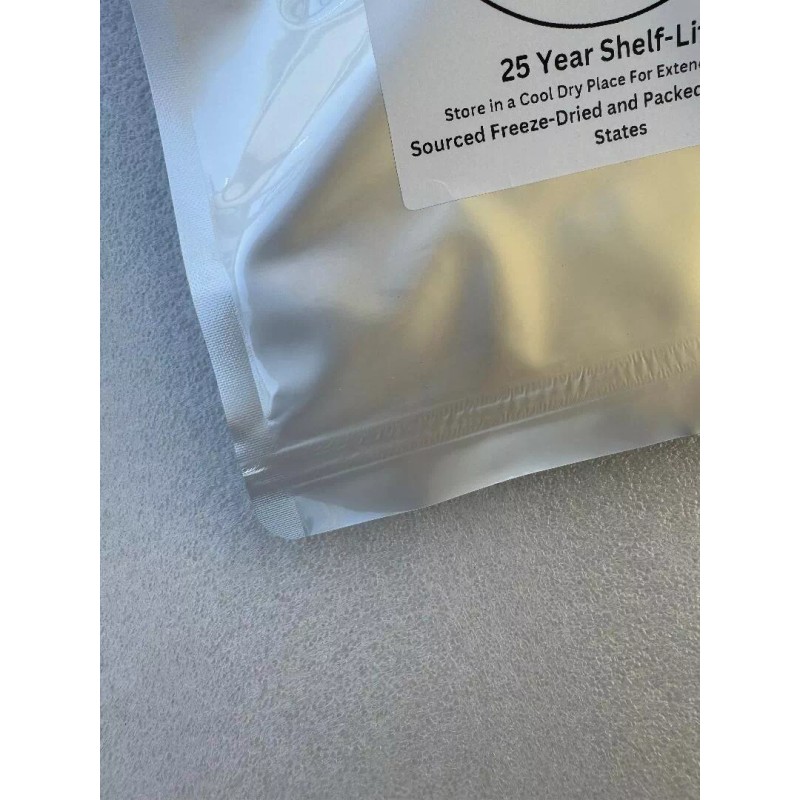
- Expiration Date: 25 Year Shelf Life
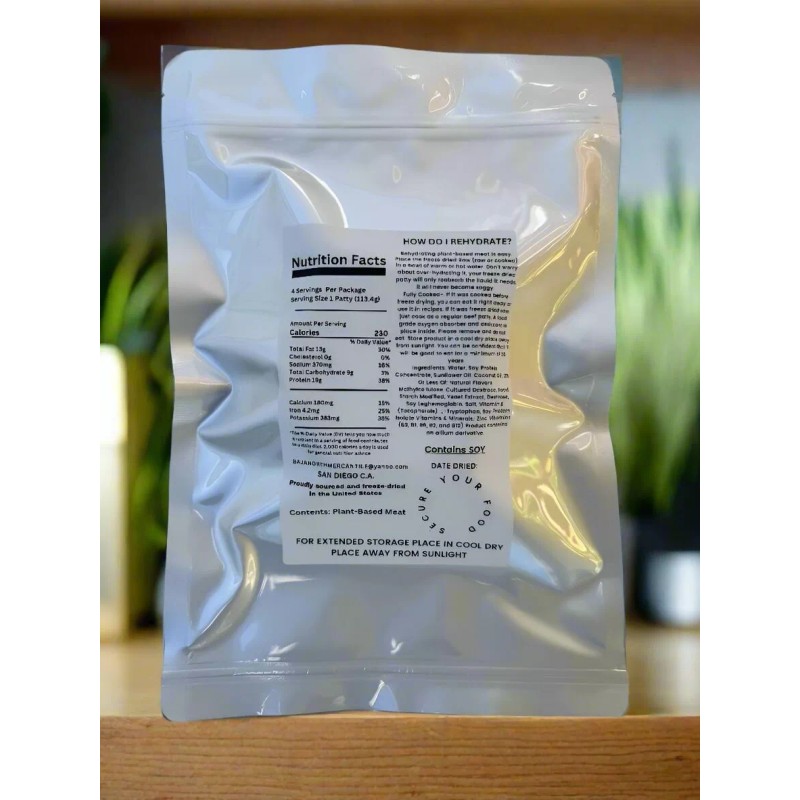
- Calories per Serving: 230
- Flavor: Beef
- Main Ingredient: Plant Based
- Brand: Baja North Mercantile
- Type: Freeze-Dried
- Labels & Certifications: Halal and Kosher Certified
- Number in Pack: 4 Patties
- Food Specifications: Vegan
- Shelf Life: 25 year shelf life when Stored in Cool Dry Place away from Sun
- Country/Region of Manufacture: United States
- Course: Lunch
- Serving Size: 1 Patty
- Number of Servings: 4
- Item Weight: 1 lbs. Rehydrated
Processing Time
- We process and ship orders Monday through Friday, excluding holidays.
- Most orders are processed within 1–3 business days, depending on product availability.
- Processing time does not include delivery time, which varies based on your location and the product’s shipping origin.
Shipping Coverage
We currently ship to addresses within the United States only.
Products may ship from:
- Our U.S. warehouses, or
- Our international fulfillment centers (including Korea, Japan, China, Australia, Mexico, Canada, the United Kingdom, and the EU).
Each product page clearly displays the “Ships From” location before checkout.
Shipping Methods & Estimated Delivery
| Shipping Method | Estimated Delivery | Cost |
|---|---|---|
| Free Shipping (US) | 5–10 business days | Free, available on eligible items |
| Standard Shipping (US to US by Item) | 5–10 business days | $5.95 for the first item, $3.00 each additional |
| Standard Shipping (From US Warehouse by Weight) | 3–7 business days | Starts at $5.95, increasing by $2 for every additional 4 oz (0.25 lb) up to 1 lb, then by $4 for each additional pound beyond 1 lb. |
| Extended Delivery (Ships from Overseas Warehouse) | 10–20 business days | $14.50 for the first item, $2.00 each additional |
Shipping costs vary by product weight, quantity and origin. Exact rates and delivery estimates are displayed on each product page and confirmed during checkout.
Free Shipping
We offer free standard shipping on select products or during promotional periods. Availability of free shipping will be displayed on the product page and at checkout.
Carriers
We primarily use USPS and UPS for U.S. deliveries. Items shipped from international warehouses may be handled by partner carriers depending on the country of origin.
Import Duties & Taxes
All import duties and taxes for goods imported into the United States are included in the product price. There are no hidden fees or additional charges at checkout.
Tracking & Notifications
Every order is fully trackable. You will receive a tracking number via email once your order ships. If your order ships in multiple packages, each package will have its own tracking number. If you don’t receive a shipping confirmation immediately, your order is still being processed and will arrive within the estimated timeframe shown at checkout.
You can track your shipment anytime using the Track Your Order page on our website.
Order Changes & Cancellations
If you need to modify or cancel an order, please contact our customer support team as soon as possible. Orders can only be canceled before they ship. Once shipped, cancellations are not possible, but you may request a return after the item is delivered.
Contact: support@ibspot.com
Item Not Received
If your tracking number shows “Delivered” but you haven’t received your package:
- Check with your local USPS or UPS office.
- Confirm that the shipping address provided was correct.
- If the issue remains unresolved, contact support@ibspot.com for assistance.
Damaged or Lost Parcels
If your package arrives damaged or fails to arrive, please contact us immediately. For deliveries to P.O. boxes, ibspot is not responsible for damage caused by weather, temperature, or theft.
Customer Support
For any questions about shipping, tracking, or delivery, our customer support team is here to help.
Email: support@ibspot.com
We’re always happy to help.
Please read our policy carefully before making a purchase.
We aim to ensure every customer has a smooth and transparent experience with ibspot.com.
Order Cancellation Policy
Customers may request to cancel an order before it has been shipped.
Once the package has been shipped, cancellations are no longer possible; however, you may still request a return after receiving your order.
How to Request a Cancellation
You can contact us through:
- Email: support@ibspot.com
- Contact Form: Submit a request through our Contact Us page
Please submit your cancellation request as soon as possible after placing the order to allow us to process it before shipment.
Return Policy
We accept returns for most items within 30 days of delivery for a full refund.
To be eligible for a return:
- The item must be unused, in the same condition as received, and in its original packaging.
- A tracking number must be provided to confirm the return shipment.
Non-Returnable Items
Certain products cannot be returned, including:
- Perishable goods (for example, food, flowers, newspapers, magazines)
- Intimate or sanitary goods
- Hazardous materials or flammable liquids/gases
- Gift cards
- Downloadable software
- Some health and personal care items
Partial Refunds (If Applicable)
Partial refunds may be granted in specific situations, such as:
- Books with obvious signs of use
- Opened CDs, DVDs, software, or vinyl records
- Items not in their original condition, damaged, or missing parts not due to our error
- Items returned more than 30 days after delivery
How to Return an Item
To initiate a return, please contact us at support@ibspot.com with your order number and details about the product you wish to return.
Our team will provide you with return instructions and a prepaid return label.
Shipping Cost for Returns
Please contact us before returning any item.
We will provide a free return shipping label.
If a return is sent back without prior contact or without our provided label, we cannot be held responsible for return shipping costs.
For items valued over $75, we recommend using a trackable shipping service or purchasing shipping insurance.
We cannot guarantee that we will receive your returned item if shipped independently.
Refund Processing
Once your return is received and inspected:
- In-store returns are refunded to the original form of payment or issued as a gift card.
- Mail-in returns using our prepaid label are refunded to the original payment method within 3–5 business days after we receive your return.
Please allow:
- 5–7 business days for the return to reach our Returns Center.
- An additional 3–10 business days for your bank to post the refund to your account.
Damages, Issues & Claims
Please inspect your order immediately upon receipt.
If you receive a defective, damaged, or incorrect item, contact us right away at support@ibspot.com.
We’ll evaluate the issue promptly and make it right.
Product Claims
Before purchasing, please review product details carefully.
If there is a problem with your order upon arrival, visit our Support Center or contact us directly to arrange return shipping or replacement.
Exchanges
We do not process direct exchanges.
The fastest way to get what you need is to return the original item and place a new order once your return is accepted.
Return Address
IBSPOT Return Center
15 Sawmill Ln
Dover Plains, NY 12522
United States
Customer Support
Our support team is available 24/7 to assist with cancellations, returns, or general inquiries.
Email: support@ibspot.com
Contact Form: Contact Us page
Oops!
Sorry, it looks like some products are not available in selected quantity.