




AWAD Tea Tree Pure Essential Oil - 2.5 oz/75 ML + Free Carrier oil 10 ml
$50.07
- Free US shipping
-
Arrives
Free shipping. Contact for more details.
For wholesale orders, visit:
www.naturalperfumeblend.com
DANGER: Highly Concentrated - Do not use directly on skin without dilution.
For Therapeutic and External Use Only
Keep away from eyes or areas that may be infected.
Keep out of reach of children.
If swallowed, seek medical attention immediately.
Remember to always keep your oils away from direct sunlight and extreme heat.
Keep caps screwed tight and bottles in upright position to prevent leakage.
Always place some kind of protective pad (coaster) underneath the bottle to prevent damage on furniture, wood, flooring etcetera to prevent leakage or spillage.
14 Everyday Uses for Tea Tree Oil
Tea tree oil is an essential oil that can be used for several purposes, including keeping skin, hair and nails healthy.
In addition to its scientifically backed benefits, tea tree oil is inexpensive and safe when used as directed.
This article discusses 14 everyday uses for tea tree oil and provides guidance on using it safely and effectively.
What Is Tea Tree Oil and How Does It Work?
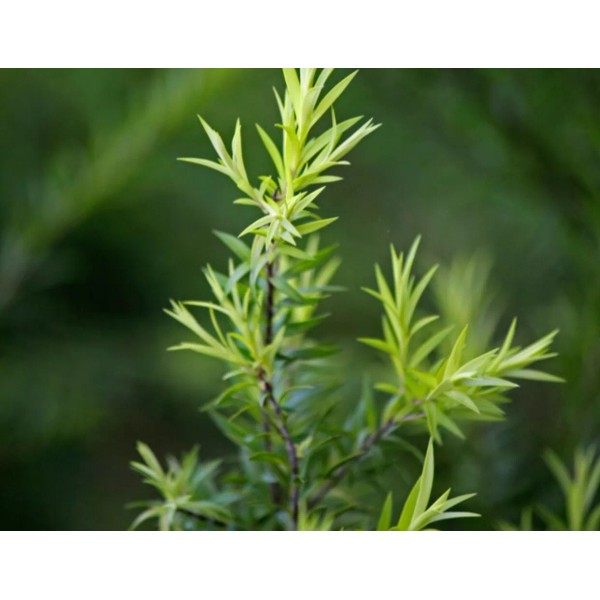
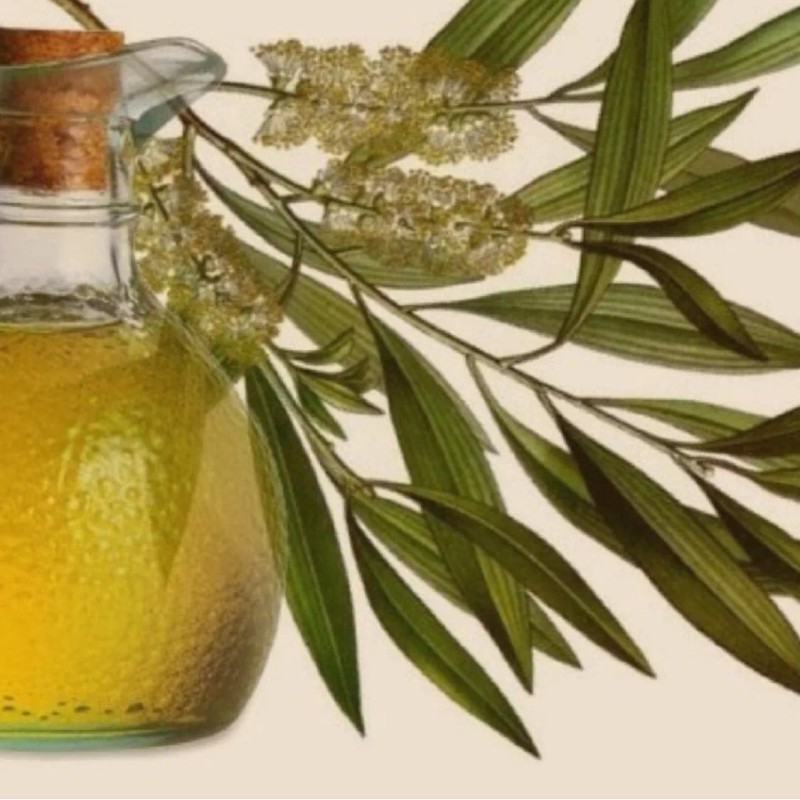
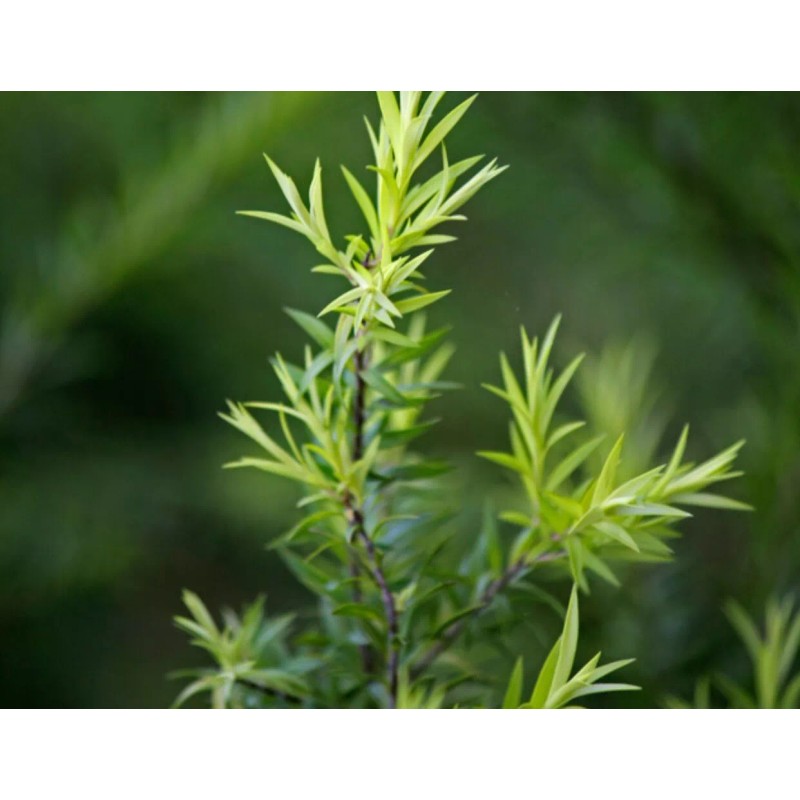
Tea tree oil comes from the leaves of Melaleuca alternifolia, a small tree native to Queensland and New South Wales, Australia.
Although Melaleuca alternifolia is known as the tea tree, it should not be confused with the plant that produces leaves used to make black, green and oolong tea.
Tea tree oil has been used as a traditional medicine by Aborigines for centuries. These native Australians crush tea tree leaves to extract the oil, which is then inhaled to treat coughs and colds or applied directly to the skin for healing.
Today, tea tree oil is widely available as a 100% undiluted or "neat" oil. Diluted forms are also available, ranging from 5–50% strength in products designed for the skin.
Tea tree oil contains a number of compounds, including terpinen-4-ol, that have been shown to kill certain bacteria, viruses and fungi (1, 2).
Terpinen-4-ol also appears to increase the activity of your white blood cells, which help fight germs and other foreign invaders (3).
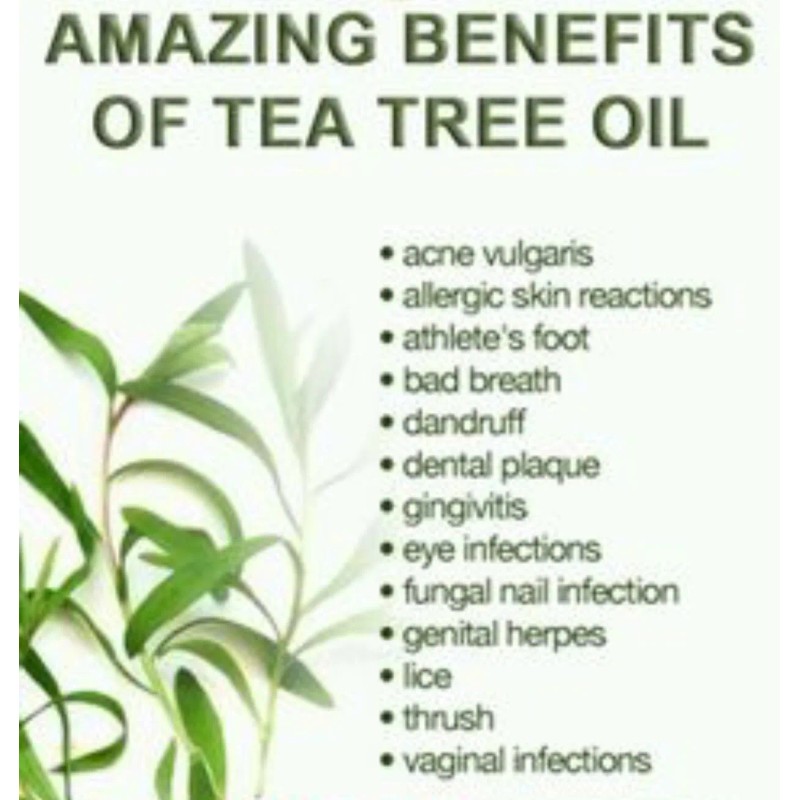
These germ-fighting properties make tea tree oil a valued natural remedy for treating bacterial and fungal skin conditions, preventing infection and promoting healing.
Read on to learn about the many uses and benefits of this versatile oil.
1. Hand Sanitizer
Tea tree oil makes an ideal natural hand sanitizer.
Studies have shown that it kills several common bacteria and viruses responsible for causing illness, including E. coli, S. pneumoniae and H. influenzae (1).
Moreover, a study testing several types of hand wash shows that adding tea tree oil to the cleansers boosted their effectiveness against E. coli (4).
Here is a simple recipe to make your own moisturizing, all-natural hand sanitizer using tea tree oil.
Summary: Using tree oil as a natural hand sanitizer may help kill a number of germs responsible for colds, flu and other illness.
2. Insect Repellent
Tea tree oil may help keep pesky insects away.
One study found that 24 hours after being treated with tea tree oil, cows had 61% fewer flies than cows not treated with tea tree oil (5).
Furthermore, a test-tube study revealed that tea tree oil had a greater ability to repel mosquitoes than DEET, the most common active ingredient in commercial insect repellents (6).
Try this easy-to-make insect repellent using tea tree oil and other natural ingredients.
Summary: Tea tree oil has been shown to kill or repel insects. In some cases, it is as effective or more effective than standard insecticides or repellents.
3. Natural Deodorant
Tea tree oil's antibacterial effects may help control underarm odor related to perspiration.
Sweat itself does not smell. However, when secretions from your sweat glands combine with bacteria on your skin, a moderate to strong odor is produced.
Your underarm area contains a large concentration of these glands and is mainly responsible for what is commonly referred to as "body odor." Tea tree oil's bacteria-fighting properties make it an ideal natural alternative to commercial deodorants and antiperspirants.
Here is a safe and effective natural deodorant that can be made from tea tree oil and a few other ingredients.
Summary: Tea tree oil contains compounds that fight bacteria responsible for body odor. It can be used to make a safe and effective deodorant.
4. Antiseptic for Minor Cuts and Scrapes
Injuries that result in broken skin make it easy for germs to enter your bloodstream, which can lead to infection.
Tea tree oil can be used to treat and disinfect minor cuts and abrasions by killing S. aureus and other bacteria that can cause infection in open wounds (1).
To disinfect a cut or scrape, follow these steps:
1 Clean the cut thoroughly with plain soap and water
2 Mix one drop of tea tree oil with one teaspoon of coconut oil
3 Apply a small amount of the mixture to the injury and cover with a bandage
4 Repeat this process once or twice daily until a scab has formed
Summary: Applying a mixture of tea tree oil and coconut oil can help prevent minor cuts and abrasions from becoming infected.
5. Boost Wound Healing
In addition to preventing infection in cuts and abrasions, tea tree oil may also encourage wound healing.
Research has shown that tea tree oil helps reduce inflammation and triggers the activity of white blood cells that are instrumental in the healing process (3, 7, 8).
In a small study of 10 people with wounds, adding tea tree oil to conventional wound treatment led to decreased healing time in all but one participant (9).
A few drops of tea tree oil can be added to wound dressing each time a new dressing is applied.
Summary: Tea tree oil may help speed wound healing by reducing inflammation and increasing white blood cell activity.
6. Fight Acne
Tea tree oil can be a powerful weapon against acne. Several studies have shown that it helps reduce the amount and overall severity of acne (10, 11, 12).
In one study, applying a 5% tea tree gel to acne lesions was shown to be more than three times as effective at reducing the number of lesions than a placebo. It was nearly six times as effective in reducing severity (12).
In another study, tea tree oil was found to be as effective against acne as benzoyl peroxide, the most common anti-acne medication (13).
Tea tree oil-based acne gels can be purchased at natural grocery stores or from online retailers.
Alternatively, you can make your own acne treatment by mixing one part tea tree oil with nine parts water and applying the mixture to affected areas with a cotton swab once or twice a day, as needed.
Summary: Gels containing tea tree oil have been shown to reduce the number of lesions and severity of acne in a number of studies.
7. Get Rid of Nail Fungus
Fungal nail infections are quite common. Although they aren't dangerous, they can be unsightly. There are medications that can treat nail fungus, though some people may prefer a more natural approach.
Tea tree oil has been shown to help get rid of nail fungus when used alone or in combination with other natural remedies (14, 15).
In a controlled study, people with nail fungus used straight tea tree oil or an antifungal medication for six months. At the end of the study, about 60% of people in each group experienced partial or full resolution of the fungus (15).
You can use a few drops of tea tree oil alone or mix it with an equal amount of coconut oil and apply it to the affected area. Be sure to wash your hands immediately after applying in order to avoid spreading the fungus to other areas.
Summary: Tea tree oil appears to be as effective against fungal nail infections as antifungal medications applied to the area.
8. Chemical-Free Mouthwash
Research suggests that tea tree oil may fight germs that cause tooth decay and bad breath (16, 17, 18).
One study found that tea tree oil was more effective against plaque-causing bacteria than chlorhexidine, a common disinfectant and oral rinse. What's more, its taste was found to be less objectionable (16).
On the other hand, an older study reported that tea tree oil didn't seem to have much of an effect on plaque formation (19).
To make your own chemical-free mouthwash, simply add a drop of tea tree oil to a cup of warm water, mix thoroughly and swish in your mouth for 30 seconds or so.
Like other mouthwashes, tea tree oil should not be swallowed. It can be toxic if ingested.
Summary: Tea tree oil can be diluted with water to create a mouthwash that helps fight bad breath and dental plaque.
9. All-Purpose Cleaner
Tea tree oil makes a great all-purpose cleaner that also sanitizes surfaces.
Plus, it does so without leaving traces of chemicals you wouldn't want your family members or pets coming in contact with.
Here's an easy recipe for an all-natural, all-purpose cleaner:
1 Combine 20 drops of tea tree oil, 3/4 cup of water and a 1/2 cup of apple cider vinegar in a spray bottle.
2 Shake well until thoroughly mixed.
3 Spray directly onto surfaces and wipe clean with a dry cloth.
4 Make sure to shake the bottle before each use in order to mix the tea tree oil with the other ingredients.
Summary: Tea tree oil can be mixed with water and vinegar to create a chemical-free, all-purpose cleaner for your home.
10. Soothe Skin Inflammation
Tea tree oil may help relieve inflamed skin.
A common form of skin irritation is contact dermatitis, which occurs when skin comes in contact with an allergen, such as nickel. Exposure to the allergen leads to red, itchy and sometimes painful skin.
Animal and human research suggest that applying tea tree oil may help reduce the severity of these symptoms (20, 21, 22).
In a study comparing the effects of different treatments for contact dermatitis, tea tree oil was found to reduce symptoms by 40%, which was significantly more than standard medications applied to the skin (22).
In addition, tea tree oil may provide relief from bug bite reactions by reducing the itching, redness and swelling that occurs when your body releases histamine to defend against the insect's saliva (23).
Use this recipe to relieve inflamed skin:
1 Combine 10 drops of tea tree oil with one tablespoon of extra virgin olive oil and one tablespoon of melted coconut oil.
2 Mix well, and store in a sealed container.
3 Apply to the affected area up to twice a day until symptoms resolve.
Summary: Applying a tea tree oil mixture may help combat skin inflammation related to contact dermatitis or insect bites.
11. Control Dandruff
Dandruff, or white flakes of dead skin that fall from the scalp, isn't dangerous.
However, it can be annoying and embarrassing.
Although there is little published research on tea tree oil's effectiveness in treating dandruff, one controlled study suggests that it may be helpful.
In this four-week study, the group who used a shampoo containing tea tree oil had a 40% improvement in dandruff. Moreover, the tea tree group reported significant improvements in dandruff severity, itchiness and greasiness (24).
To help reduce dandruff, try adding a few drops of tea tree oil to a dollop of shampoo when washing your hair.
Summary: Although research is limited, one study suggests that tea tree oil may help reduce the severity of dandruff and improve other symptoms.
12. Treat Athlete's Foot
Athlete's foot can be frustratingly hard to control.
Known medically as tinea pedis, athlete's foot is a contagious fungal infection on the feet that can also spread to the toenails and hands. Symptoms include peeling, cracking, blisters and redness.
Antifungal medications are considered standard treatment for athlete's foot. Yet studies suggest that tea tree oil may be an effective alternative for relieving symptoms (25, 26).
In a controlled study of 158 people, 72% of the tea tree oil group had significant clinical improvement in athlete's foot, compared to 39% in the placebo group (25).
However, another study found that although tea tree oil helped relieve scaling, inflammation, itching and burning as well as antifungal medication, it wasn't as effective at actually getting rid of the fungus (26).
Here is a natural treatment to relieve the symptoms of athlete's foot:
1 Combine 1/4 cup arrowroot powder, 1/4 cup baking soda and 20–25 drops of tea tree oil
2 Stir to combine, and place in a covered container
3 Apply to clean, dry feet twice a day
Summary: Tea tree oil's antifungal properties may help alleviate symptoms of athlete's foot.
13. Banish Mold on Fruits and Vegetables
Fresh produce is undeniably delicious and healthy.
Unfortunately, it's also susceptible to the growth of gray mold known as Botrytis cinerea, particularly in warm, moist climates.
Studies have shown that tea tree oil's antifungal compounds terpinen-4-ol and 1,8-cineole may help reduce the growth of this mold on fruits and vegetables (27, 28).
To protect against mold, add 5–10 drops of tea tree oil to water before rinsing your produce and drying it thoroughly.
Summary: Tea tree oil contains compounds that help fight the growth of mold on fruits and vegetables. Adding tea tree oil to water when rinsing produce may help your produce remain mold-free.
14. Relieve Psoriasis
Psoriasis is an autoimmune condition characterized by outbreaks of red, itchy, scaly skin.
Although there are medications that can improve symptoms, the condition itself is chronic and there is no known cure.
Tea tree oil contains anti-inflammatory compounds, which, according to emerging evidence, may be helpful for easing psoriasis symptoms (29).
To provide relief for psoriasis flares, combine 10–15 drops of tea tree oil with two tablespoons of melted coconut oil. Apply this to the affected area 2–3 times per day, as needed.
Summary: Applying a mixture of tea tree oil and coconut oil may help relieve the symptoms of psoriasis.
Cautions When Using Tea Tree Oil
Research has shown that tea tree oil appears to be safe overall (30).
However, there are some things to be aware of before using it.
Tea tree oil should not be ingested because it may be toxic if swallowed.
Therefore, tea tree oil should be stored out of reach of children. In one case, an 18-month-old boy suffered serious injuries after accidentally swallowing tea tree oil (31).
Prior to using tea tree oil for the first time, test a drop or two on a small area of your skin and wait 24 hours to see if any reaction occurs.
This is important because ironically, some individuals who use tea tree oil develop contact dermatitis, one of the conditions tea tree oil may help treat (32, 33).
Likewise, people with sensitive skin may experience irritation when using undiluted tea tree oil. If your skin is sensitive, it's best to mix tea tree oil with an equal or greater amount of olive oil, coconut oil or almond oil.
Additionally, using tea tree oil in pets may not be safe. Researchers reported that more than 400 dogs and cats developed tremors and other nervous system problems after receiving between 0.1–85 mL of tea tree oil on the skin or orally (34).
Summary: Although tea tree oil is generally safe when used on adults' skin, allergic reactions may occur in some people. Tea tree oil may be unsafe for young children and pets.
The Bottom Line
As you can see, tea tree oil can be helpful for a number of reasons.
It's an inexpensive natural alternative to chemical-based skin and nail treatments, personal care products and disinfectants, among other things.
However, tea tree oil is not a magic cure-all. In fact, some people may experience skin irritation or allergic reaction after using it.
Overall, tea tree oil serves many purposes and is a good item to have on hand.
An evidence-based nutrition article from our experts at Authority Nutrition.
Free Carrier oil of 10 ml for 100 ml, 60 ml and 30 ml purchases. Free Carrier Oil of 2 ml for 10 ml and 5 ml.
NOTE: FOR INTERNATIONAL ORDERS, FREE CARRIER OIL WILL NOT BE SHIPPED.
Returns will not be accepted if tamperproof bottle lid is opened. Request for small sample of the same oil with order. Test the sample oil before opening tamperproof bottle.
- Free 30-Day Returns
- Full Refund for Damaged or Incorrect Items
- Guaranteed Delivery or Money Back
- Secure Checkout & Fast Support

Free shipping. Contact for more details.
For wholesale orders, visit:
www.naturalperfumeblend.com
DANGER: Highly Concentrated - Do not use directly on skin without dilution.
For Therapeutic and External Use Only
Keep away from eyes or areas that may be infected.
Keep out of reach of children.
If swallowed, seek medical attention immediately.
Remember to always keep your oils away from direct sunlight and extreme heat.
Keep caps screwed tight and bottles in upright position to prevent leakage.
Always place some kind of protective pad (coaster) underneath the bottle to prevent damage on furniture, wood, flooring etcetera to prevent leakage or spillage.
14 Everyday Uses for Tea Tree Oil
Tea tree oil is an essential oil that can be used for several purposes, including keeping skin, hair and nails healthy.
In addition to its scientifically backed benefits, tea tree oil is inexpensive and safe when used as directed.
This article discusses 14 everyday uses for tea tree oil and provides guidance on using it safely and effectively.
What Is Tea Tree Oil and How Does It Work?
Tea tree oil comes from the leaves of Melaleuca alternifolia, a small tree native to Queensland and New South Wales, Australia.
Although Melaleuca alternifolia is known as the tea tree, it should not be confused with the plant that produces leaves used to make black, green and oolong tea.
Tea tree oil has been used as a traditional medicine by Aborigines for centuries. These native Australians crush tea tree leaves to extract the oil, which is then inhaled to treat coughs and colds or applied directly to the skin for healing.
Today, tea tree oil is widely available as a 100% undiluted or "neat" oil. Diluted forms are also available, ranging from 5–50% strength in products designed for the skin.
Tea tree oil contains a number of compounds, including terpinen-4-ol, that have been shown to kill certain bacteria, viruses and fungi (1, 2).
Terpinen-4-ol also appears to increase the activity of your white blood cells, which help fight germs and other foreign invaders (3).
These germ-fighting properties make tea tree oil a valued natural remedy for treating bacterial and fungal skin conditions, preventing infection and promoting healing.
Read on to learn about the many uses and benefits of this versatile oil.
1. Hand Sanitizer
Tea tree oil makes an ideal natural hand sanitizer.
Studies have shown that it kills several common bacteria and viruses responsible for causing illness, including E. coli, S. pneumoniae and H. influenzae (1).
Moreover, a study testing several types of hand wash shows that adding tea tree oil to the cleansers boosted their effectiveness against E. coli (4).
Here is a simple recipe to make your own moisturizing, all-natural hand sanitizer using tea tree oil.
Summary: Using tree oil as a natural hand sanitizer may help kill a number of germs responsible for colds, flu and other illness.
2. Insect Repellent
Tea tree oil may help keep pesky insects away.
One study found that 24 hours after being treated with tea tree oil, cows had 61% fewer flies than cows not treated with tea tree oil (5).
Furthermore, a test-tube study revealed that tea tree oil had a greater ability to repel mosquitoes than DEET, the most common active ingredient in commercial insect repellents (6).
Try this easy-to-make insect repellent using tea tree oil and other natural ingredients.
Summary: Tea tree oil has been shown to kill or repel insects. In some cases, it is as effective or more effective than standard insecticides or repellents.
3. Natural Deodorant
Tea tree oil's antibacterial effects may help control underarm odor related to perspiration.
Sweat itself does not smell. However, when secretions from your sweat glands combine with bacteria on your skin, a moderate to strong odor is produced.
Your underarm area contains a large concentration of these glands and is mainly responsible for what is commonly referred to as "body odor." Tea tree oil's bacteria-fighting properties make it an ideal natural alternative to commercial deodorants and antiperspirants.
Here is a safe and effective natural deodorant that can be made from tea tree oil and a few other ingredients.
Summary: Tea tree oil contains compounds that fight bacteria responsible for body odor. It can be used to make a safe and effective deodorant.
4. Antiseptic for Minor Cuts and Scrapes
Injuries that result in broken skin make it easy for germs to enter your bloodstream, which can lead to infection.
Tea tree oil can be used to treat and disinfect minor cuts and abrasions by killing S. aureus and other bacteria that can cause infection in open wounds (1).
To disinfect a cut or scrape, follow these steps:
1 Clean the cut thoroughly with plain soap and water
2 Mix one drop of tea tree oil with one teaspoon of coconut oil
3 Apply a small amount of the mixture to the injury and cover with a bandage
4 Repeat this process once or twice daily until a scab has formed
Summary: Applying a mixture of tea tree oil and coconut oil can help prevent minor cuts and abrasions from becoming infected.
5. Boost Wound Healing
In addition to preventing infection in cuts and abrasions, tea tree oil may also encourage wound healing.
Research has shown that tea tree oil helps reduce inflammation and triggers the activity of white blood cells that are instrumental in the healing process (3, 7, 8).
In a small study of 10 people with wounds, adding tea tree oil to conventional wound treatment led to decreased healing time in all but one participant (9).
A few drops of tea tree oil can be added to wound dressing each time a new dressing is applied.
Summary: Tea tree oil may help speed wound healing by reducing inflammation and increasing white blood cell activity.
6. Fight Acne
Tea tree oil can be a powerful weapon against acne. Several studies have shown that it helps reduce the amount and overall severity of acne (10, 11, 12).
In one study, applying a 5% tea tree gel to acne lesions was shown to be more than three times as effective at reducing the number of lesions than a placebo. It was nearly six times as effective in reducing severity (12).
In another study, tea tree oil was found to be as effective against acne as benzoyl peroxide, the most common anti-acne medication (13).
Tea tree oil-based acne gels can be purchased at natural grocery stores or from online retailers.
Alternatively, you can make your own acne treatment by mixing one part tea tree oil with nine parts water and applying the mixture to affected areas with a cotton swab once or twice a day, as needed.
Summary: Gels containing tea tree oil have been shown to reduce the number of lesions and severity of acne in a number of studies.
7. Get Rid of Nail Fungus
Fungal nail infections are quite common. Although they aren't dangerous, they can be unsightly. There are medications that can treat nail fungus, though some people may prefer a more natural approach.
Tea tree oil has been shown to help get rid of nail fungus when used alone or in combination with other natural remedies (14, 15).
In a controlled study, people with nail fungus used straight tea tree oil or an antifungal medication for six months. At the end of the study, about 60% of people in each group experienced partial or full resolution of the fungus (15).
You can use a few drops of tea tree oil alone or mix it with an equal amount of coconut oil and apply it to the affected area. Be sure to wash your hands immediately after applying in order to avoid spreading the fungus to other areas.
Summary: Tea tree oil appears to be as effective against fungal nail infections as antifungal medications applied to the area.
8. Chemical-Free Mouthwash
Research suggests that tea tree oil may fight germs that cause tooth decay and bad breath (16, 17, 18).
One study found that tea tree oil was more effective against plaque-causing bacteria than chlorhexidine, a common disinfectant and oral rinse. What's more, its taste was found to be less objectionable (16).
On the other hand, an older study reported that tea tree oil didn't seem to have much of an effect on plaque formation (19).
To make your own chemical-free mouthwash, simply add a drop of tea tree oil to a cup of warm water, mix thoroughly and swish in your mouth for 30 seconds or so.
Like other mouthwashes, tea tree oil should not be swallowed. It can be toxic if ingested.
Summary: Tea tree oil can be diluted with water to create a mouthwash that helps fight bad breath and dental plaque.
9. All-Purpose Cleaner
Tea tree oil makes a great all-purpose cleaner that also sanitizes surfaces.
Plus, it does so without leaving traces of chemicals you wouldn't want your family members or pets coming in contact with.
Here's an easy recipe for an all-natural, all-purpose cleaner:
1 Combine 20 drops of tea tree oil, 3/4 cup of water and a 1/2 cup of apple cider vinegar in a spray bottle.
2 Shake well until thoroughly mixed.
3 Spray directly onto surfaces and wipe clean with a dry cloth.
4 Make sure to shake the bottle before each use in order to mix the tea tree oil with the other ingredients.
Summary: Tea tree oil can be mixed with water and vinegar to create a chemical-free, all-purpose cleaner for your home.
10. Soothe Skin Inflammation
Tea tree oil may help relieve inflamed skin.
A common form of skin irritation is contact dermatitis, which occurs when skin comes in contact with an allergen, such as nickel. Exposure to the allergen leads to red, itchy and sometimes painful skin.
Animal and human research suggest that applying tea tree oil may help reduce the severity of these symptoms (20, 21, 22).
In a study comparing the effects of different treatments for contact dermatitis, tea tree oil was found to reduce symptoms by 40%, which was significantly more than standard medications applied to the skin (22).
In addition, tea tree oil may provide relief from bug bite reactions by reducing the itching, redness and swelling that occurs when your body releases histamine to defend against the insect's saliva (23).
Use this recipe to relieve inflamed skin:
1 Combine 10 drops of tea tree oil with one tablespoon of extra virgin olive oil and one tablespoon of melted coconut oil.
2 Mix well, and store in a sealed container.
3 Apply to the affected area up to twice a day until symptoms resolve.
Summary: Applying a tea tree oil mixture may help combat skin inflammation related to contact dermatitis or insect bites.
11. Control Dandruff
Dandruff, or white flakes of dead skin that fall from the scalp, isn't dangerous.
However, it can be annoying and embarrassing.
Although there is little published research on tea tree oil's effectiveness in treating dandruff, one controlled study suggests that it may be helpful.
In this four-week study, the group who used a shampoo containing tea tree oil had a 40% improvement in dandruff. Moreover, the tea tree group reported significant improvements in dandruff severity, itchiness and greasiness (24).
To help reduce dandruff, try adding a few drops of tea tree oil to a dollop of shampoo when washing your hair.
Summary: Although research is limited, one study suggests that tea tree oil may help reduce the severity of dandruff and improve other symptoms.
12. Treat Athlete's Foot
Athlete's foot can be frustratingly hard to control.
Known medically as tinea pedis, athlete's foot is a contagious fungal infection on the feet that can also spread to the toenails and hands. Symptoms include peeling, cracking, blisters and redness.
Antifungal medications are considered standard treatment for athlete's foot. Yet studies suggest that tea tree oil may be an effective alternative for relieving symptoms (25, 26).
In a controlled study of 158 people, 72% of the tea tree oil group had significant clinical improvement in athlete's foot, compared to 39% in the placebo group (25).
However, another study found that although tea tree oil helped relieve scaling, inflammation, itching and burning as well as antifungal medication, it wasn't as effective at actually getting rid of the fungus (26).
Here is a natural treatment to relieve the symptoms of athlete's foot:
1 Combine 1/4 cup arrowroot powder, 1/4 cup baking soda and 20–25 drops of tea tree oil
2 Stir to combine, and place in a covered container
3 Apply to clean, dry feet twice a day
Summary: Tea tree oil's antifungal properties may help alleviate symptoms of athlete's foot.
13. Banish Mold on Fruits and Vegetables
Fresh produce is undeniably delicious and healthy.
Unfortunately, it's also susceptible to the growth of gray mold known as Botrytis cinerea, particularly in warm, moist climates.
Studies have shown that tea tree oil's antifungal compounds terpinen-4-ol and 1,8-cineole may help reduce the growth of this mold on fruits and vegetables (27, 28).
To protect against mold, add 5–10 drops of tea tree oil to water before rinsing your produce and drying it thoroughly.
Summary: Tea tree oil contains compounds that help fight the growth of mold on fruits and vegetables. Adding tea tree oil to water when rinsing produce may help your produce remain mold-free.
14. Relieve Psoriasis
Psoriasis is an autoimmune condition characterized by outbreaks of red, itchy, scaly skin.
Although there are medications that can improve symptoms, the condition itself is chronic and there is no known cure.
Tea tree oil contains anti-inflammatory compounds, which, according to emerging evidence, may be helpful for easing psoriasis symptoms (29).
To provide relief for psoriasis flares, combine 10–15 drops of tea tree oil with two tablespoons of melted coconut oil. Apply this to the affected area 2–3 times per day, as needed.
Summary: Applying a mixture of tea tree oil and coconut oil may help relieve the symptoms of psoriasis.
Cautions When Using Tea Tree Oil
Research has shown that tea tree oil appears to be safe overall (30).
However, there are some things to be aware of before using it.
Tea tree oil should not be ingested because it may be toxic if swallowed.
Therefore, tea tree oil should be stored out of reach of children. In one case, an 18-month-old boy suffered serious injuries after accidentally swallowing tea tree oil (31).
Prior to using tea tree oil for the first time, test a drop or two on a small area of your skin and wait 24 hours to see if any reaction occurs.
This is important because ironically, some individuals who use tea tree oil develop contact dermatitis, one of the conditions tea tree oil may help treat (32, 33).
Likewise, people with sensitive skin may experience irritation when using undiluted tea tree oil. If your skin is sensitive, it's best to mix tea tree oil with an equal or greater amount of olive oil, coconut oil or almond oil.
Additionally, using tea tree oil in pets may not be safe. Researchers reported that more than 400 dogs and cats developed tremors and other nervous system problems after receiving between 0.1–85 mL of tea tree oil on the skin or orally (34).
Summary: Although tea tree oil is generally safe when used on adults' skin, allergic reactions may occur in some people. Tea tree oil may be unsafe for young children and pets.
The Bottom Line
As you can see, tea tree oil can be helpful for a number of reasons.
It's an inexpensive natural alternative to chemical-based skin and nail treatments, personal care products and disinfectants, among other things.
However, tea tree oil is not a magic cure-all. In fact, some people may experience skin irritation or allergic reaction after using it.
Overall, tea tree oil serves many purposes and is a good item to have on hand.
An evidence-based nutrition article from our experts at Authority Nutrition.
Free Carrier oil of 10 ml for 100 ml, 60 ml and 30 ml purchases. Free Carrier Oil of 2 ml for 10 ml and 5 ml.
NOTE: FOR INTERNATIONAL ORDERS, FREE CARRIER OIL WILL NOT BE SHIPPED.
Returns will not be accepted if tamperproof bottle lid is opened. Request for small sample of the same oil with order. Test the sample oil before opening tamperproof bottle.
Free shipping. Contact for more details.
For wholesale orders, visit:
www.naturalperfumeblend.com
DANGER: Highly Concentrated - Do not use directly on skin without dilution.
For Therapeutic and External Use Only
Keep away from eyes or areas that may be infected.
Keep out of reach of children.
If swallowed, seek medical attention immediately.
Remember to always keep your oils away from direct sunlight and extreme heat.
Keep caps screwed tight and bottles in upright position to prevent leakage.
Always place some kind of protective pad (coaster) underneath the bottle to prevent damage on furniture, wood, flooring etcetera to prevent leakage or spillage.
14 Everyday Uses for Tea Tree Oil
Tea tree oil is an essential oil that can be used for several purposes, including keeping skin, hair and nails healthy.
In addition to its scientifically backed benefits, tea tree oil is inexpensive and safe when used as directed.
This article discusses 14 everyday uses for tea tree oil and provides guidance on using it safely and effectively.
What Is Tea Tree Oil and How Does It Work?
Tea tree oil comes from the leaves of Melaleuca alternifolia, a small tree native to Queensland and New South Wales, Australia.
Although Melaleuca alternifolia is known as the tea tree, it should not be confused with the plant that produces leaves used to make black, green and oolong tea.
Tea tree oil has been used as a traditional medicine by Aborigines for centuries. These native Australians crush tea tree leaves to extract the oil, which is then inhaled to treat coughs and colds or applied directly to the skin for healing.
Today, tea tree oil is widely available as a 100% undiluted or "neat" oil. Diluted forms are also available, ranging from 5–50% strength in products designed for the skin.
Tea tree oil contains a number of compounds, including terpinen-4-ol, that have been shown to kill certain bacteria, viruses and fungi (1, 2).
Terpinen-4-ol also appears to increase the activity of your white blood cells, which help fight germs and other foreign invaders (3).
These germ-fighting properties make tea tree oil a valued natural remedy for treating bacterial and fungal skin conditions, preventing infection and promoting healing.
Read on to learn about the many uses and benefits of this versatile oil.
1. Hand Sanitizer
Tea tree oil makes an ideal natural hand sanitizer.
Studies have shown that it kills several common bacteria and viruses responsible for causing illness, including E. coli, S. pneumoniae and H. influenzae (1).
Moreover, a study testing several types of hand wash shows that adding tea tree oil to the cleansers boosted their effectiveness against E. coli (4).
Here is a simple recipe to make your own moisturizing, all-natural hand sanitizer using tea tree oil.
Summary: Using tree oil as a natural hand sanitizer may help kill a number of germs responsible for colds, flu and other illness.
2. Insect Repellent
Tea tree oil may help keep pesky insects away.
One study found that 24 hours after being treated with tea tree oil, cows had 61% fewer flies than cows not treated with tea tree oil (5).
Furthermore, a test-tube study revealed that tea tree oil had a greater ability to repel mosquitoes than DEET, the most common active ingredient in commercial insect repellents (6).
Try this easy-to-make insect repellent using tea tree oil and other natural ingredients.
Summary: Tea tree oil has been shown to kill or repel insects. In some cases, it is as effective or more effective than standard insecticides or repellents.
3. Natural Deodorant
Tea tree oil's antibacterial effects may help control underarm odor related to perspiration.
Sweat itself does not smell. However, when secretions from your sweat glands combine with bacteria on your skin, a moderate to strong odor is produced.
Your underarm area contains a large concentration of these glands and is mainly responsible for what is commonly referred to as "body odor." Tea tree oil's bacteria-fighting properties make it an ideal natural alternative to commercial deodorants and antiperspirants.
Here is a safe and effective natural deodorant that can be made from tea tree oil and a few other ingredients.
Summary: Tea tree oil contains compounds that fight bacteria responsible for body odor. It can be used to make a safe and effective deodorant.
4. Antiseptic for Minor Cuts and Scrapes
Injuries that result in broken skin make it easy for germs to enter your bloodstream, which can lead to infection.
Tea tree oil can be used to treat and disinfect minor cuts and abrasions by killing S. aureus and other bacteria that can cause infection in open wounds (1).
To disinfect a cut or scrape, follow these steps:
1 Clean the cut thoroughly with plain soap and water
2 Mix one drop of tea tree oil with one teaspoon of coconut oil
3 Apply a small amount of the mixture to the injury and cover with a bandage
4 Repeat this process once or twice daily until a scab has formed
Summary: Applying a mixture of tea tree oil and coconut oil can help prevent minor cuts and abrasions from becoming infected.
5. Boost Wound Healing
In addition to preventing infection in cuts and abrasions, tea tree oil may also encourage wound healing.
Research has shown that tea tree oil helps reduce inflammation and triggers the activity of white blood cells that are instrumental in the healing process (3, 7, 8).
In a small study of 10 people with wounds, adding tea tree oil to conventional wound treatment led to decreased healing time in all but one participant (9).
A few drops of tea tree oil can be added to wound dressing each time a new dressing is applied.
Summary: Tea tree oil may help speed wound healing by reducing inflammation and increasing white blood cell activity.
6. Fight Acne
Tea tree oil can be a powerful weapon against acne. Several studies have shown that it helps reduce the amount and overall severity of acne (10, 11, 12).
In one study, applying a 5% tea tree gel to acne lesions was shown to be more than three times as effective at reducing the number of lesions than a placebo. It was nearly six times as effective in reducing severity (12).
In another study, tea tree oil was found to be as effective against acne as benzoyl peroxide, the most common anti-acne medication (13).
Tea tree oil-based acne gels can be purchased at natural grocery stores or from online retailers.
Alternatively, you can make your own acne treatment by mixing one part tea tree oil with nine parts water and applying the mixture to affected areas with a cotton swab once or twice a day, as needed.
Summary: Gels containing tea tree oil have been shown to reduce the number of lesions and severity of acne in a number of studies.
7. Get Rid of Nail Fungus
Fungal nail infections are quite common. Although they aren't dangerous, they can be unsightly. There are medications that can treat nail fungus, though some people may prefer a more natural approach.
Tea tree oil has been shown to help get rid of nail fungus when used alone or in combination with other natural remedies (14, 15).
In a controlled study, people with nail fungus used straight tea tree oil or an antifungal medication for six months. At the end of the study, about 60% of people in each group experienced partial or full resolution of the fungus (15).
You can use a few drops of tea tree oil alone or mix it with an equal amount of coconut oil and apply it to the affected area. Be sure to wash your hands immediately after applying in order to avoid spreading the fungus to other areas.
Summary: Tea tree oil appears to be as effective against fungal nail infections as antifungal medications applied to the area.
8. Chemical-Free Mouthwash
Research suggests that tea tree oil may fight germs that cause tooth decay and bad breath (16, 17, 18).
One study found that tea tree oil was more effective against plaque-causing bacteria than chlorhexidine, a common disinfectant and oral rinse. What's more, its taste was found to be less objectionable (16).
On the other hand, an older study reported that tea tree oil didn't seem to have much of an effect on plaque formation (19).
To make your own chemical-free mouthwash, simply add a drop of tea tree oil to a cup of warm water, mix thoroughly and swish in your mouth for 30 seconds or so.
Like other mouthwashes, tea tree oil should not be swallowed. It can be toxic if ingested.
Summary: Tea tree oil can be diluted with water to create a mouthwash that helps fight bad breath and dental plaque.
9. All-Purpose Cleaner
Tea tree oil makes a great all-purpose cleaner that also sanitizes surfaces.
Plus, it does so without leaving traces of chemicals you wouldn't want your family members or pets coming in contact with.
Here's an easy recipe for an all-natural, all-purpose cleaner:
1 Combine 20 drops of tea tree oil, 3/4 cup of water and a 1/2 cup of apple cider vinegar in a spray bottle.
2 Shake well until thoroughly mixed.
3 Spray directly onto surfaces and wipe clean with a dry cloth.
4 Make sure to shake the bottle before each use in order to mix the tea tree oil with the other ingredients.
Summary: Tea tree oil can be mixed with water and vinegar to create a chemical-free, all-purpose cleaner for your home.
10. Soothe Skin Inflammation
Tea tree oil may help relieve inflamed skin.
A common form of skin irritation is contact dermatitis, which occurs when skin comes in contact with an allergen, such as nickel. Exposure to the allergen leads to red, itchy and sometimes painful skin.
Animal and human research suggest that applying tea tree oil may help reduce the severity of these symptoms (20, 21, 22).
In a study comparing the effects of different treatments for contact dermatitis, tea tree oil was found to reduce symptoms by 40%, which was significantly more than standard medications applied to the skin (22).
In addition, tea tree oil may provide relief from bug bite reactions by reducing the itching, redness and swelling that occurs when your body releases histamine to defend against the insect's saliva (23).
Use this recipe to relieve inflamed skin:
1 Combine 10 drops of tea tree oil with one tablespoon of extra virgin olive oil and one tablespoon of melted coconut oil.
2 Mix well, and store in a sealed container.
3 Apply to the affected area up to twice a day until symptoms resolve.
Summary: Applying a tea tree oil mixture may help combat skin inflammation related to contact dermatitis or insect bites.
11. Control Dandruff
Dandruff, or white flakes of dead skin that fall from the scalp, isn't dangerous.
However, it can be annoying and embarrassing.
Although there is little published research on tea tree oil's effectiveness in treating dandruff, one controlled study suggests that it may be helpful.
In this four-week study, the group who used a shampoo containing tea tree oil had a 40% improvement in dandruff. Moreover, the tea tree group reported significant improvements in dandruff severity, itchiness and greasiness (24).
To help reduce dandruff, try adding a few drops of tea tree oil to a dollop of shampoo when washing your hair.
Summary: Although research is limited, one study suggests that tea tree oil may help reduce the severity of dandruff and improve other symptoms.
12. Treat Athlete's Foot
Athlete's foot can be frustratingly hard to control.
Known medically as tinea pedis, athlete's foot is a contagious fungal infection on the feet that can also spread to the toenails and hands. Symptoms include peeling, cracking, blisters and redness.
Antifungal medications are considered standard treatment for athlete's foot. Yet studies suggest that tea tree oil may be an effective alternative for relieving symptoms (25, 26).
In a controlled study of 158 people, 72% of the tea tree oil group had significant clinical improvement in athlete's foot, compared to 39% in the placebo group (25).
However, another study found that although tea tree oil helped relieve scaling, inflammation, itching and burning as well as antifungal medication, it wasn't as effective at actually getting rid of the fungus (26).
Here is a natural treatment to relieve the symptoms of athlete's foot:
1 Combine 1/4 cup arrowroot powder, 1/4 cup baking soda and 20–25 drops of tea tree oil
2 Stir to combine, and place in a covered container
3 Apply to clean, dry feet twice a day
Summary: Tea tree oil's antifungal properties may help alleviate symptoms of athlete's foot.
13. Banish Mold on Fruits and Vegetables
Fresh produce is undeniably delicious and healthy.
Unfortunately, it's also susceptible to the growth of gray mold known as Botrytis cinerea, particularly in warm, moist climates.
Studies have shown that tea tree oil's antifungal compounds terpinen-4-ol and 1,8-cineole may help reduce the growth of this mold on fruits and vegetables (27, 28).
To protect against mold, add 5–10 drops of tea tree oil to water before rinsing your produce and drying it thoroughly.
Summary: Tea tree oil contains compounds that help fight the growth of mold on fruits and vegetables. Adding tea tree oil to water when rinsing produce may help your produce remain mold-free.
14. Relieve Psoriasis
Psoriasis is an autoimmune condition characterized by outbreaks of red, itchy, scaly skin.
Although there are medications that can improve symptoms, the condition itself is chronic and there is no known cure.
Tea tree oil contains anti-inflammatory compounds, which, according to emerging evidence, may be helpful for easing psoriasis symptoms (29).
To provide relief for psoriasis flares, combine 10–15 drops of tea tree oil with two tablespoons of melted coconut oil. Apply this to the affected area 2–3 times per day, as needed.
Summary: Applying a mixture of tea tree oil and coconut oil may help relieve the symptoms of psoriasis.
Cautions When Using Tea Tree Oil
Research has shown that tea tree oil appears to be safe overall (30).
However, there are some things to be aware of before using it.
Tea tree oil should not be ingested because it may be toxic if swallowed.
Therefore, tea tree oil should be stored out of reach of children. In one case, an 18-month-old boy suffered serious injuries after accidentally swallowing tea tree oil (31).
Prior to using tea tree oil for the first time, test a drop or two on a small area of your skin and wait 24 hours to see if any reaction occurs.
This is important because ironically, some individuals who use tea tree oil develop contact dermatitis, one of the conditions tea tree oil may help treat (32, 33).
Likewise, people with sensitive skin may experience irritation when using undiluted tea tree oil. If your skin is sensitive, it's best to mix tea tree oil with an equal or greater amount of olive oil, coconut oil or almond oil.
Additionally, using tea tree oil in pets may not be safe. Researchers reported that more than 400 dogs and cats developed tremors and other nervous system problems after receiving between 0.1–85 mL of tea tree oil on the skin or orally (34).
Summary: Although tea tree oil is generally safe when used on adults' skin, allergic reactions may occur in some people. Tea tree oil may be unsafe for young children and pets.
The Bottom Line
As you can see, tea tree oil can be helpful for a number of reasons.
It's an inexpensive natural alternative to chemical-based skin and nail treatments, personal care products and disinfectants, among other things.
However, tea tree oil is not a magic cure-all. In fact, some people may experience skin irritation or allergic reaction after using it.
Overall, tea tree oil serves many purposes and is a good item to have on hand.
An evidence-based nutrition article from our experts at Authority Nutrition.
Free Carrier oil of 10 ml for 100 ml, 60 ml and 30 ml purchases. Free Carrier Oil of 2 ml for 10 ml and 5 ml.
NOTE: FOR INTERNATIONAL ORDERS, FREE CARRIER OIL WILL NOT BE SHIPPED.
Returns will not be accepted if tamperproof bottle lid is opened. Request for small sample of the same oil with order. Test the sample oil before opening tamperproof bottle.
- Brand: AWAD
- Container Type: Aluminium Oxidized
- Type: Essential Oil
- Scent: Tea Tree
- UPC: Does not apply
Processing Time
- We process and ship orders Monday through Friday, excluding holidays.
- Most orders are processed within 1–3 business days, depending on product availability.
- Processing time does not include delivery time, which varies based on your location and the product’s shipping origin.
Shipping Coverage
We currently ship to addresses within the United States only.
Products may ship from:
- Our U.S. warehouses, or
- Our international fulfillment centers (including Korea, Japan, China, Australia, Mexico, Canada, the United Kingdom, and the EU).
Each product page clearly displays the “Ships From” location before checkout.
Shipping Methods & Estimated Delivery
| Shipping Method | Estimated Delivery | Cost |
|---|---|---|
| Free Shipping (US) | 5–10 business days | Free, available on eligible items |
| Standard Shipping (US to US by Item) | 5–10 business days | $5.95 for the first item, $3.00 each additional |
| Standard Shipping (From US Warehouse by Weight) | 3–7 business days | Starts at $5.95, increasing by $2 for every additional 4 oz (0.25 lb) up to 1 lb, then by $4 for each additional pound beyond 1 lb. |
| Extended Delivery (Ships from Overseas Warehouse) | 10–20 business days | $14.50 for the first item, $2.00 each additional |
Shipping costs vary by product weight, quantity and origin. Exact rates and delivery estimates are displayed on each product page and confirmed during checkout.
Free Shipping
We offer free standard shipping on select products or during promotional periods. Availability of free shipping will be displayed on the product page and at checkout.
Carriers
We primarily use USPS and UPS for U.S. deliveries. Items shipped from international warehouses may be handled by partner carriers depending on the country of origin.
Import Duties & Taxes
All import duties and taxes for goods imported into the United States are included in the product price. There are no hidden fees or additional charges at checkout.
Tracking & Notifications
Every order is fully trackable. You will receive a tracking number via email once your order ships. If your order ships in multiple packages, each package will have its own tracking number. If you don’t receive a shipping confirmation immediately, your order is still being processed and will arrive within the estimated timeframe shown at checkout.
You can track your shipment anytime using the Track Your Order page on our website.
Order Changes & Cancellations
If you need to modify or cancel an order, please contact our customer support team as soon as possible. Orders can only be canceled before they ship. Once shipped, cancellations are not possible, but you may request a return after the item is delivered.
Contact: support@ibspot.com
Item Not Received
If your tracking number shows “Delivered” but you haven’t received your package:
- Check with your local USPS or UPS office.
- Confirm that the shipping address provided was correct.
- If the issue remains unresolved, contact support@ibspot.com for assistance.
Damaged or Lost Parcels
If your package arrives damaged or fails to arrive, please contact us immediately. For deliveries to P.O. boxes, ibspot is not responsible for damage caused by weather, temperature, or theft.
Customer Support
For any questions about shipping, tracking, or delivery, our customer support team is here to help.
Email: support@ibspot.com
We’re always happy to help.
Please read our policy carefully before making a purchase.
We aim to ensure every customer has a smooth and transparent experience with ibspot.com.
Order Cancellation Policy
Customers may request to cancel an order before it has been shipped.
Once the package has been shipped, cancellations are no longer possible; however, you may still request a return after receiving your order.
How to Request a Cancellation
You can contact us through:
- Email: support@ibspot.com
- Contact Form: Submit a request through our Contact Us page
Please submit your cancellation request as soon as possible after placing the order to allow us to process it before shipment.
Return Policy
We accept returns for most items within 30 days of delivery for a full refund.
To be eligible for a return:
- The item must be unused, in the same condition as received, and in its original packaging.
- A tracking number must be provided to confirm the return shipment.
Non-Returnable Items
Certain products cannot be returned, including:
- Perishable goods (for example, food, flowers, newspapers, magazines)
- Intimate or sanitary goods
- Hazardous materials or flammable liquids/gases
- Gift cards
- Downloadable software
- Some health and personal care items
Partial Refunds (If Applicable)
Partial refunds may be granted in specific situations, such as:
- Books with obvious signs of use
- Opened CDs, DVDs, software, or vinyl records
- Items not in their original condition, damaged, or missing parts not due to our error
- Items returned more than 30 days after delivery
How to Return an Item
To initiate a return, please contact us at support@ibspot.com with your order number and details about the product you wish to return.
Our team will provide you with return instructions and a prepaid return label.
Shipping Cost for Returns
Please contact us before returning any item.
We will provide a free return shipping label.
If a return is sent back without prior contact or without our provided label, we cannot be held responsible for return shipping costs.
For items valued over $75, we recommend using a trackable shipping service or purchasing shipping insurance.
We cannot guarantee that we will receive your returned item if shipped independently.
Refund Processing
Once your return is received and inspected:
- In-store returns are refunded to the original form of payment or issued as a gift card.
- Mail-in returns using our prepaid label are refunded to the original payment method within 3–5 business days after we receive your return.
Please allow:
- 5–7 business days for the return to reach our Returns Center.
- An additional 3–10 business days for your bank to post the refund to your account.
Damages, Issues & Claims
Please inspect your order immediately upon receipt.
If you receive a defective, damaged, or incorrect item, contact us right away at support@ibspot.com.
We’ll evaluate the issue promptly and make it right.
Product Claims
Before purchasing, please review product details carefully.
If there is a problem with your order upon arrival, visit our Support Center or contact us directly to arrange return shipping or replacement.
Exchanges
We do not process direct exchanges.
The fastest way to get what you need is to return the original item and place a new order once your return is accepted.
Return Address
IBSPOT Return Center
15 Sawmill Ln
Dover Plains, NY 12522
United States
Customer Support
Our support team is available 24/7 to assist with cancellations, returns, or general inquiries.
Email: support@ibspot.com
Contact Form: Contact Us page
Oops!
Sorry, it looks like some products are not available in selected quantity.