

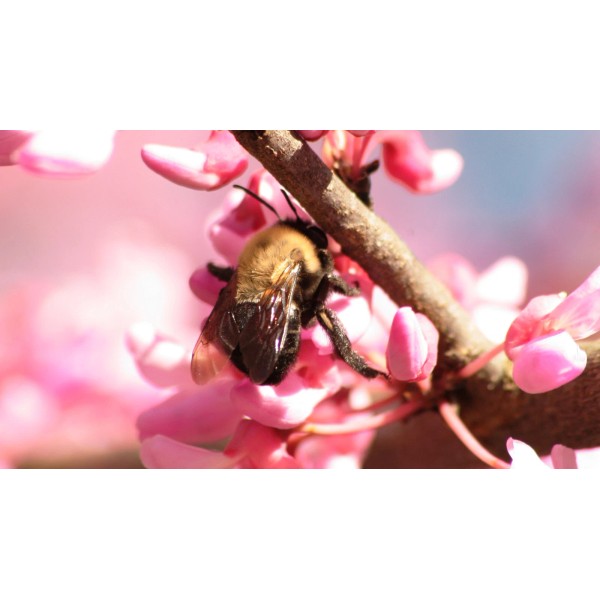
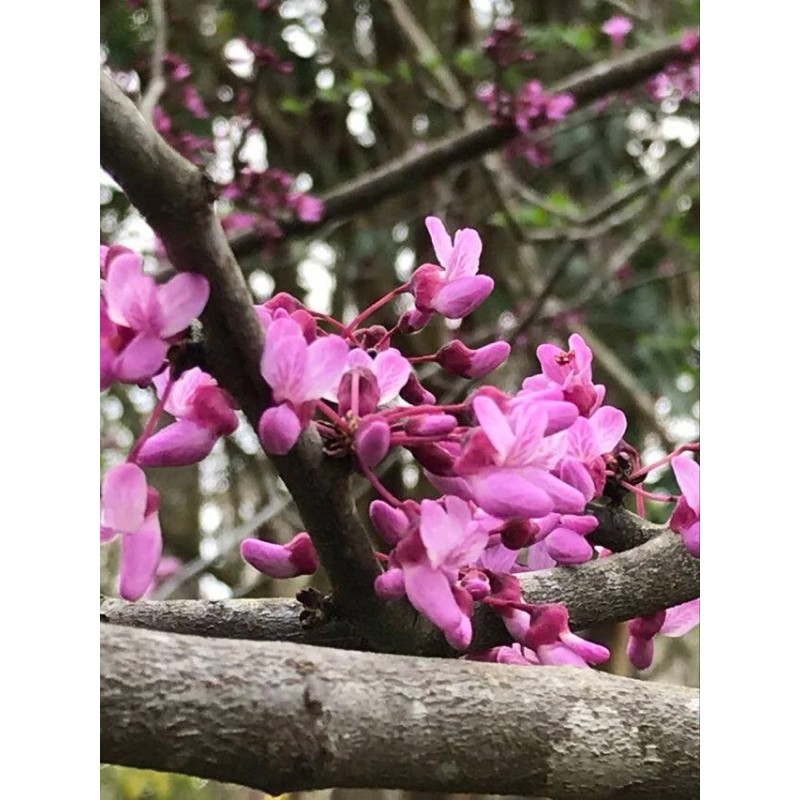
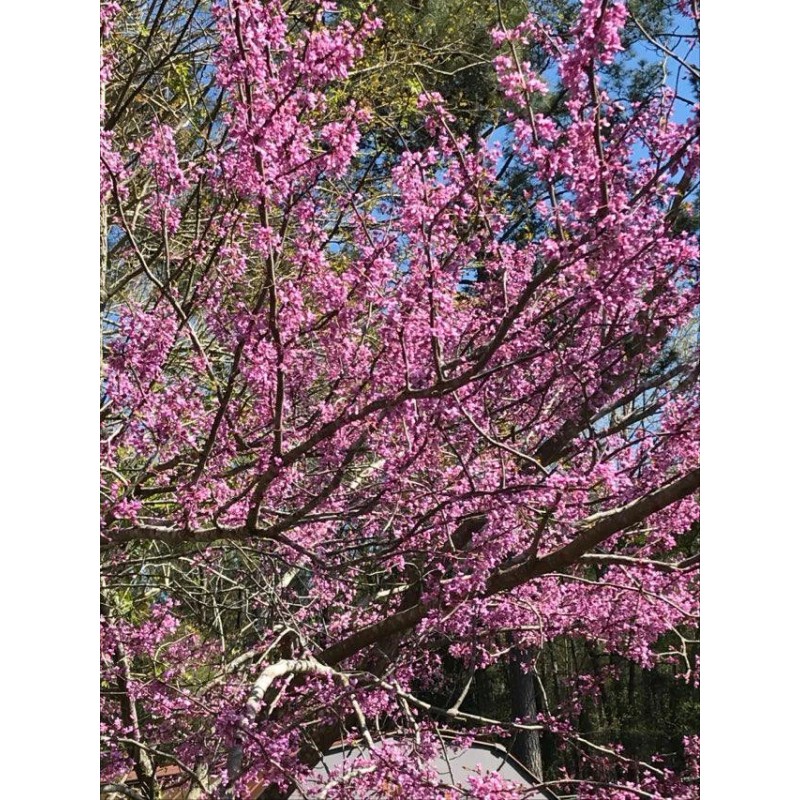
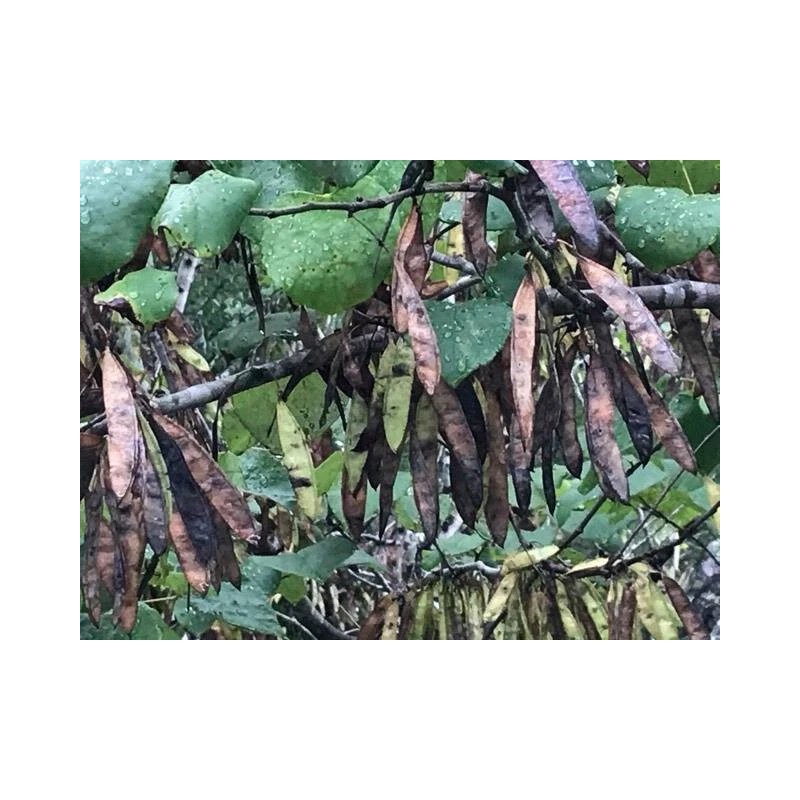


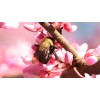
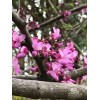
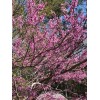
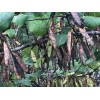
15+ seeds, Eastern Redbud (Cercis canadensis), Native Coastal SC
$16.57
- Free US shipping
-
Arrives
NATIVES: This offering is part of our "natives" seeds and cuttings. We encourage the propagation of native plants, as these generally require less care and are of more benefit to the local environment. Our pollinators and songbirds are declining, and one reason for the loss is the planting of non-native plants that give them no support.
Non-native plants often require watering and high pesticide use. The pesticides are another reason for the decline of our pollinators and songbirds. Some non-native plants, like Bradford pear, and Privit have become highly invasive and destructive.
ECOTYPES: Our seeds and cuttings come from the Pee Dee region of South Carolina - Horry, Georgetown, Williamsburg and Florence Counties in the northeastern corner of the state. So these are of a coastal Carolina ecotype.
Why are ecotypes important? Many of our native plants have a wide range. For example, red maples are native throughout the entire eastern US, but there are variations within the species due to adaptation to local conditions. You can expect that those from your area will do better than one from far away, even though they are the same species.
NATIVITY RESOURCES ONLINE: You can find online info on native status for your area with the North American Plant Atlas, which is presented by The Biota of North America Program (BONAP). You must know the Genus and species, but then you can find county-by-county information. Another resource, which is a bit more clunky (to me) is the government Plants National Database, which does allow common names (but take care, as these have regional variations). Both online sites are easy to find online.
SEEDS: Our seeds are hand collected in season, and are in limited supply. While we try to clean these, we don't have the fancy machinery that large seed companies have, so there may be some chaff or other plant material included. We are generous in our
measurements, though. And residues should not interfere with sowing the seeds. Our berries may be offered two ways - as dried berries, or as separated seeds, at a higher cost, to compensate for the increased labor.
Most seeds are shipped dry with a pac of silica gel for insurance. But a few, like Magnolia, Live Oak, and Longleaf pine should never be allowed to dry out. These are shipped damp and should be dealt with immediately.
Many of the native perennial seeds require a period of cold (fall planting or cold storage in a damp medium - (called "stratification"), in order to germinate well. Some also require "scarification." You can search online for info on how to do both of these practices. YouTube is especially helpful with many videos to show processes. Of course, as with any online resource, you have to use some judgement. There are many techniques, some contradictory, and some online info is just plain wrong.
CUTTINGS: Likewise there is much online info on plant cuttings. Keep in mind that this kind of propagation is a bit of a gamble. If you win, you get cheap plants that are exactly what you want (have you priced nursery stock lately?). If you lose, you aren't out much.
Our cuttings are made fresh upon your order, so we try to do our best for your success.
While we emphasize native plants, we are not obsessive, and do have a few non-native food, herbs, and some woody plants that have shown to be well-behaved in our own homestead.
NO GUARANTEES: As with any plant material, our offerings are subject to many factors and we cannot give any guarantees. We do want our customers to succeed, so we take care to give fresh and viable materials. And we no longer offer some things that we've shown in our own tests to be unlikely to do well.
- Free 30-Day Returns
- Full Refund for Damaged or Incorrect Items
- Guaranteed Delivery or Money Back
- Secure Checkout & Fast Support

NATIVES: This offering is part of our "natives" seeds and cuttings. We encourage the propagation of native plants, as these generally require less care and are of more benefit to the local environment. Our pollinators and songbirds are declining, and one reason for the loss is the planting of non-native plants that give them no support.
Non-native plants often require watering and high pesticide use. The pesticides are another reason for the decline of our pollinators and songbirds. Some non-native plants, like Bradford pear, and Privit have become highly invasive and destructive.
ECOTYPES: Our seeds and cuttings come from the Pee Dee region of South Carolina - Horry, Georgetown, Williamsburg and Florence Counties in the northeastern corner of the state. So these are of a coastal Carolina ecotype.
Why are ecotypes important? Many of our native plants have a wide range. For example, red maples are native throughout the entire eastern US, but there are variations within the species due to adaptation to local conditions. You can expect that those from your area will do better than one from far away, even though they are the same species.
NATIVITY RESOURCES ONLINE: You can find online info on native status for your area with the North American Plant Atlas, which is presented by The Biota of North America Program (BONAP). You must know the Genus and species, but then you can find county-by-county information. Another resource, which is a bit more clunky (to me) is the government Plants National Database, which does allow common names (but take care, as these have regional variations). Both online sites are easy to find online.
SEEDS: Our seeds are hand collected in season, and are in limited supply. While we try to clean these, we don't have the fancy machinery that large seed companies have, so there may be some chaff or other plant material included. We are generous in our
measurements, though. And residues should not interfere with sowing the seeds. Our berries may be offered two ways - as dried berries, or as separated seeds, at a higher cost, to compensate for the increased labor.
Most seeds are shipped dry with a pac of silica gel for insurance. But a few, like Magnolia, Live Oak, and Longleaf pine should never be allowed to dry out. These are shipped damp and should be dealt with immediately.
Many of the native perennial seeds require a period of cold (fall planting or cold storage in a damp medium - (called "stratification"), in order to germinate well. Some also require "scarification." You can search online for info on how to do both of these practices. YouTube is especially helpful with many videos to show processes. Of course, as with any online resource, you have to use some judgement. There are many techniques, some contradictory, and some online info is just plain wrong.
CUTTINGS: Likewise there is much online info on plant cuttings. Keep in mind that this kind of propagation is a bit of a gamble. If you win, you get cheap plants that are exactly what you want (have you priced nursery stock lately?). If you lose, you aren't out much.
Our cuttings are made fresh upon your order, so we try to do our best for your success.
While we emphasize native plants, we are not obsessive, and do have a few non-native food, herbs, and some woody plants that have shown to be well-behaved in our own homestead.
NO GUARANTEES: As with any plant material, our offerings are subject to many factors and we cannot give any guarantees. We do want our customers to succeed, so we take care to give fresh and viable materials. And we no longer offer some things that we've shown in our own tests to be unlikely to do well.
NATIVES: This offering is part of our "natives" seeds and cuttings. We encourage the propagation of native plants, as these generally require less care and are of more benefit to the local environment. Our pollinators and songbirds are declining, and one reason for the loss is the planting of non-native plants that give them no support.
Non-native plants often require watering and high pesticide use. The pesticides are another reason for the decline of our pollinators and songbirds. Some non-native plants, like Bradford pear, and Privit have become highly invasive and destructive.
ECOTYPES: Our seeds and cuttings come from the Pee Dee region of South Carolina - Horry, Georgetown, Williamsburg and Florence Counties in the northeastern corner of the state. So these are of a coastal Carolina ecotype.
Why are ecotypes important? Many of our native plants have a wide range. For example, red maples are native throughout the entire eastern US, but there are variations within the species due to adaptation to local conditions. You can expect that those from your area will do better than one from far away, even though they are the same species.
NATIVITY RESOURCES ONLINE: You can find online info on native status for your area with the North American Plant Atlas, which is presented by The Biota of North America Program (BONAP). You must know the Genus and species, but then you can find county-by-county information. Another resource, which is a bit more clunky (to me) is the government Plants National Database, which does allow common names (but take care, as these have regional variations). Both online sites are easy to find online.
SEEDS: Our seeds are hand collected in season, and are in limited supply. While we try to clean these, we don't have the fancy machinery that large seed companies have, so there may be some chaff or other plant material included. We are generous in our
measurements, though. And residues should not interfere with sowing the seeds. Our berries may be offered two ways - as dried berries, or as separated seeds, at a higher cost, to compensate for the increased labor.
Most seeds are shipped dry with a pac of silica gel for insurance. But a few, like Magnolia, Live Oak, and Longleaf pine should never be allowed to dry out. These are shipped damp and should be dealt with immediately.
Many of the native perennial seeds require a period of cold (fall planting or cold storage in a damp medium - (called "stratification"), in order to germinate well. Some also require "scarification." You can search online for info on how to do both of these practices. YouTube is especially helpful with many videos to show processes. Of course, as with any online resource, you have to use some judgement. There are many techniques, some contradictory, and some online info is just plain wrong.
CUTTINGS: Likewise there is much online info on plant cuttings. Keep in mind that this kind of propagation is a bit of a gamble. If you win, you get cheap plants that are exactly what you want (have you priced nursery stock lately?). If you lose, you aren't out much.
Our cuttings are made fresh upon your order, so we try to do our best for your success.
While we emphasize native plants, we are not obsessive, and do have a few non-native food, herbs, and some woody plants that have shown to be well-behaved in our own homestead.
NO GUARANTEES: As with any plant material, our offerings are subject to many factors and we cannot give any guarantees. We do want our customers to succeed, so we take care to give fresh and viable materials. And we no longer offer some things that we've shown in our own tests to be unlikely to do well.
- Seller Notes: “Dry seeds”
- Climate: Sub-tropical, Temperate
- Custom Bundle: No
- USDA Hardiness Zone (°F): 5 to 9, 7-9
- Soil Type: Variable acid OK, Tolerant of neutral to acid, not for wet soils
- Aspect: Full or partial sun
- Modified Item: No
- Season of Interest: All season
- Soil pH: Neutral or acidic
- Watering: Medium
- Sunlight: Full Sun, Partial Shade, Full Shade
- Foliage: Large leaves favored by leafcutter bees
- Style: Small tree with showy spring flowers
- Country/Region of Manufacture: United States
Processing Time
- We process and ship orders Monday through Friday, excluding holidays.
- Most orders are processed within 1–3 business days, depending on product availability.
- Processing time does not include delivery time, which varies based on your location and the product’s shipping origin.
Shipping Coverage
We currently ship to addresses within the United States only.
Products may ship from:
- Our U.S. warehouses, or
- Our international fulfillment centers (including Korea, Japan, China, Australia, Mexico, Canada, the United Kingdom, and the EU).
Each product page clearly displays the “Ships From” location before checkout.
Shipping Methods & Estimated Delivery
| Shipping Method | Estimated Delivery | Cost |
|---|---|---|
| Free Shipping (US) | 5–10 business days | Free, available on eligible items |
| Standard Shipping (US to US by Item) | 5–10 business days | $5.95 for the first item, $3.00 each additional |
| Standard Shipping (From US Warehouse by Weight) | 3–7 business days | Starts at $5.95, increasing by $2 for every additional 4 oz (0.25 lb) up to 1 lb, then by $4 for each additional pound beyond 1 lb. |
| Extended Delivery (Ships from Overseas Warehouse) | 10–20 business days | $14.50 for the first item, $2.00 each additional |
Shipping costs vary by product weight, quantity and origin. Exact rates and delivery estimates are displayed on each product page and confirmed during checkout.
Free Shipping
We offer free standard shipping on select products or during promotional periods. Availability of free shipping will be displayed on the product page and at checkout.
Carriers
We primarily use USPS and UPS for U.S. deliveries. Items shipped from international warehouses may be handled by partner carriers depending on the country of origin.
Import Duties & Taxes
All import duties and taxes for goods imported into the United States are included in the product price. There are no hidden fees or additional charges at checkout.
Tracking & Notifications
Every order is fully trackable. You will receive a tracking number via email once your order ships. If your order ships in multiple packages, each package will have its own tracking number. If you don’t receive a shipping confirmation immediately, your order is still being processed and will arrive within the estimated timeframe shown at checkout.
You can track your shipment anytime using the Track Your Order page on our website.
Order Changes & Cancellations
If you need to modify or cancel an order, please contact our customer support team as soon as possible. Orders can only be canceled before they ship. Once shipped, cancellations are not possible, but you may request a return after the item is delivered.
Contact: support@ibspot.com
Item Not Received
If your tracking number shows “Delivered” but you haven’t received your package:
- Check with your local USPS or UPS office.
- Confirm that the shipping address provided was correct.
- If the issue remains unresolved, contact support@ibspot.com for assistance.
Damaged or Lost Parcels
If your package arrives damaged or fails to arrive, please contact us immediately. For deliveries to P.O. boxes, ibspot is not responsible for damage caused by weather, temperature, or theft.
Customer Support
For any questions about shipping, tracking, or delivery, our customer support team is here to help.
Email: support@ibspot.com
We’re always happy to help.
Please read our policy carefully before making a purchase.
We aim to ensure every customer has a smooth and transparent experience with ibspot.com.
Order Cancellation Policy
Customers may request to cancel an order before it has been shipped.
Once the package has been shipped, cancellations are no longer possible; however, you may still request a return after receiving your order.
How to Request a Cancellation
You can contact us through:
- Email: support@ibspot.com
- Contact Form: Submit a request through our Contact Us page
Please submit your cancellation request as soon as possible after placing the order to allow us to process it before shipment.
Return Policy
We accept returns for most items within 30 days of delivery for a full refund.
To be eligible for a return:
- The item must be unused, in the same condition as received, and in its original packaging.
- A tracking number must be provided to confirm the return shipment.
Non-Returnable Items
Certain products cannot be returned, including:
- Perishable goods (for example, food, flowers, newspapers, magazines)
- Intimate or sanitary goods
- Hazardous materials or flammable liquids/gases
- Gift cards
- Downloadable software
- Some health and personal care items
Partial Refunds (If Applicable)
Partial refunds may be granted in specific situations, such as:
- Books with obvious signs of use
- Opened CDs, DVDs, software, or vinyl records
- Items not in their original condition, damaged, or missing parts not due to our error
- Items returned more than 30 days after delivery
How to Return an Item
To initiate a return, please contact us at support@ibspot.com with your order number and details about the product you wish to return.
Our team will provide you with return instructions and a prepaid return label.
Shipping Cost for Returns
Please contact us before returning any item.
We will provide a free return shipping label.
If a return is sent back without prior contact or without our provided label, we cannot be held responsible for return shipping costs.
For items valued over $75, we recommend using a trackable shipping service or purchasing shipping insurance.
We cannot guarantee that we will receive your returned item if shipped independently.
Refund Processing
Once your return is received and inspected:
- In-store returns are refunded to the original form of payment or issued as a gift card.
- Mail-in returns using our prepaid label are refunded to the original payment method within 3–5 business days after we receive your return.
Please allow:
- 5–7 business days for the return to reach our Returns Center.
- An additional 3–10 business days for your bank to post the refund to your account.
Damages, Issues & Claims
Please inspect your order immediately upon receipt.
If you receive a defective, damaged, or incorrect item, contact us right away at support@ibspot.com.
We’ll evaluate the issue promptly and make it right.
Product Claims
Before purchasing, please review product details carefully.
If there is a problem with your order upon arrival, visit our Support Center or contact us directly to arrange return shipping or replacement.
Exchanges
We do not process direct exchanges.
The fastest way to get what you need is to return the original item and place a new order once your return is accepted.
Return Address
IBSPOT Return Center
15 Sawmill Ln
Dover Plains, NY 12522
United States
Customer Support
Our support team is available 24/7 to assist with cancellations, returns, or general inquiries.
Email: support@ibspot.com
Contact Form: Contact Us page
Oops!
Sorry, it looks like some products are not available in selected quantity.